 St. Petersburg Roofing
 Why Snell Isle Homes Ask More of Their Windows
Snell Isle sits right on the water, and that location is exactly what makes window selection here different from a typical inland St. Petersburg neighborhood. Homes on or near the canals and open bay face salt-laden air almost every day of the year, on top of the same hurricane-force wind risk, intense UV exposure, and wind-driven rain that the rest of Pinellas County deals with. Windows that would be perfectly adequate a few miles inland can start showing corrosion, seal failure, or fading trim years earlier when they're installed a block from open water.
That's not a reason to over-build or overspend. It's a reason to be specific about materials, glass packages, and installation details instead of treating every window job the same way. This page covers what actually matters for a custom window project in Snell Isle — not a generic rundown of window types.
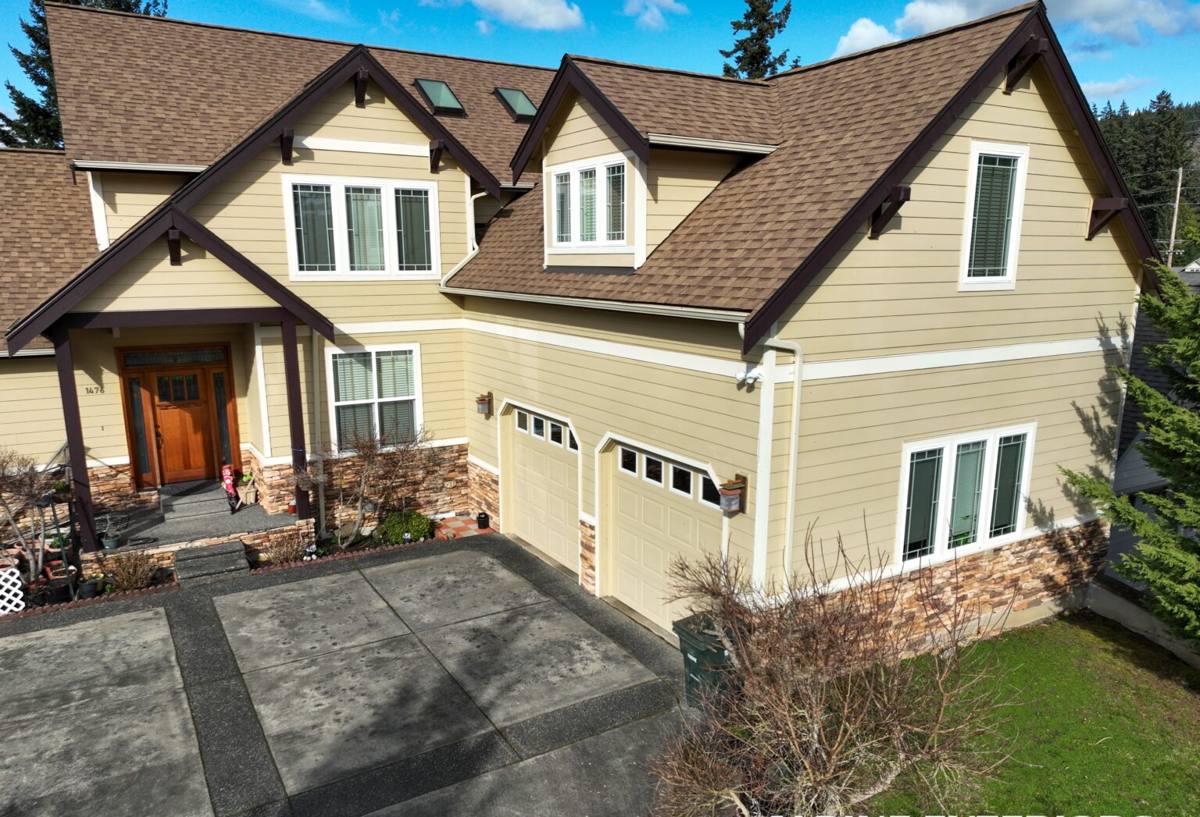
What "Custom" Actually Means for This Neighborhood
Snell Isle has a mix of older Mediterranean Revival and mid-century homes alongside newer waterfront construction, and very few of them have standard, off-the-shelf window openings. Custom work here usually means one or more of the following:
- Exact field-measured openings for homes where original construction wasn't perfectly square, which is common in older masonry homes
- Matching sightlines, muntin patterns, or arched and specialty shapes on homes with architectural detail worth preserving
- Larger openings and taller units for homes designed around water views, which changes the structural and wind-load math
- Coordinating finish colors and hardware with existing stucco, trim, or shutters rather than defaulting to whatever's in stock
Custom doesn't mean more expensive across the board — it means the window is built to fit and perform in that specific opening, instead of the opening being altered to fit a stock window.
Impact-Rated vs. Non-Impact Windows: What We Recommend
For a waterfront or near-waterfront property in this part of Pinellas County, impact-rated glass is almost always the right call, but it's worth understanding what you're actually comparing.
| Option | How It Works | Trade-Offs |
|---|---|---|
| Impact-rated windows | Laminated glass bonded to an interlayer stays intact under impact and wind pressure; no separate storm prep needed | Higher upfront cost than standard glass; heavier units require properly engineered frames and anchoring |
| Standard glass + removable panels or shutters | Standard windows day-to-day; separate hurricane shutters or panels installed before a storm | Lower window cost, but requires storage, physical installation before every storm, and someone home to do it |
| Standard glass, no storm protection | Meets minimum code in some cases depending on wind zone and exposure | Leaves the home exposed to wind-borne debris; often doesn't meet insurance or code requirements for this area |
Most Snell Isle homeowners we work with choose impact glass specifically so they're not relying on shutters going up correctly before every storm. It's also worth checking with your insurance carrier — impact-rated windows can affect premiums, and some policies factor in wind mitigation credits for verified impact glass.
Where We Draw the Line on Products
We don't install every product on the market for coastal Pinellas County homes. Some lower-tier impact and non-impact windows use frame materials or seal designs that hold up fine in drier, inland climates but struggle with constant salt exposure — corroding hardware, degrading gaskets, or fogging between panes years before they should. Our standard is choosing products with a track record in coastal Florida installations, not the cheapest unit that technically meets code.
Frame and Glass Materials for Salt Air Exposure
| Frame Material | Performance Near Salt Water | Maintenance |
|---|---|---|
| Vinyl | Doesn't corrode; good UV-stabilized formulas resist fading | Low — occasional cleaning, no repainting |
| Aluminum | Strong for large openings but can corrode over time without proper coatings near open water | Moderate — coating and hardware should be inspected periodically |
| Wood-clad / fiberglass composite | Fiberglass holds up well to salt air; wood-clad needs a durable exterior cladding to protect the wood core | Varies — wood-clad requires more attention to the cladding and any exposed wood detailing |
Glass packages matter as much as frame material. A low-E coating cuts down on UV-driven fading of floors and furniture, which is a real issue with the amount of direct sun this area gets year-round. Impact laminate packages also come in different thicknesses and interlayer types — the right spec depends on the size of the opening and its wind-load exposure, not a one-size answer.
Florida Building Code, Wind Zone, and Permitting Basics
Pinellas County falls within Florida's High-Velocity Hurricane Zone-adjacent wind requirements, and product approvals, permitting, and inspection requirements apply to window replacement here — this isn't optional paperwork you can skip by hiring a handyman. Every window installed needs to carry the correct Florida product approval (or Miami-Dade NOA) for the wind pressures and exposure category of that specific home, and the permit needs to be pulled and inspected through the local building department.
Homes closer to open water are typically in a higher exposure category than homes set back inland, which changes the required design pressure rating for the glass. This is one of the reasons a generic "standard hurricane window" isn't automatically the right spec for every Snell Isle address — the engineering has to match the specific site conditions.
Our Custom Window Process
- On-site assessment — we look at existing openings, framing condition, and any water or corrosion issues before recommending products
- Product selection — we walk through frame material, glass package, and finish options based on your budget and the home's exposure
- Precise field measurement — every opening is measured individually; we don't assume older homes are square or uniform
- Permitting — we handle the permit application and coordinate required inspections with the local building department
- Removal and installation — old units are removed, openings are checked and prepped, and new windows are set, shimmed, and anchored to spec
- Flashing and sealing — proper flashing and sealant work around the frame to keep wind-driven rain out, not just caulk over the gap
- Final inspection and walkthrough — we confirm the installation passes inspection and walk you through operation and care
Signs Your Current Windows Are Already Falling Behind
Not every window needs replacing, but in a salt-air, high-UV environment, small issues become bigger ones quickly. Worth checking for:
- Visible pitting, chalky residue, or corrosion on aluminum frames or hardware
- Fogging or a hazy film between panes of double-pane glass, which means the seal has failed
- Windows that are difficult to open, close, or lock, especially after humid weather
- Soft spots, discoloration, or staining on the wall or trim around the window frame
- Noticeable drafts, whistling, or water intrusion during wind-driven rain
- Frames that have faded, warped, or become brittle from constant UV exposure
Any of these are worth a look before storm season, not after a window fails during one.
What a Correct Installation Involves Beyond the Window Itself
The window unit is only part of the job. A lot of failures we get called out to fix in coastal neighborhoods trace back to installation shortcuts, not the product itself:
- Flashing installed in the wrong order or omitted, letting water track behind the frame
- Gaps between the frame and rough opening filled with the wrong material, or not filled at all
- Anchoring that doesn't meet the engineering spec for that window's design pressure rating
- Sealant used as a substitute for proper flashing instead of as a secondary barrier
Sealant and caulking eventually break down from UV exposure no matter what — the flashing and anchoring underneath are what actually keep the wall system dry and the window in place during a storm. That's where an installation either holds up for decades or starts causing problems within a few years.
Why Local Installation Experience Matters in Snell Isle
A crew that regularly works this neighborhood already understands the mix of older and newer construction, the exposure differences between homes tucked back from the water and those directly on a canal or open bay, and the realities of pulling permits and passing inspection in this jurisdiction. That familiarity shows up in fewer surprises during the job — matching finishes on an older home, sequencing work around tighter waterfront lots, or knowing which product approvals actually apply to a given exposure category.
It also matters after the sale. Coastal conditions in St. Petersburg are hard on every exterior product, and a contractor who's still around and familiar with your home is worth more than the lowest bid from someone who won't be back.
If you're weighing custom window options for a Snell Isle home, we're happy to take a look and walk through what makes sense for your specific windows, budget, and exposure. Reach out for a free, no-pressure estimate using the form below.