 St. Petersburg Roofing
 Why Euclid-St. Paul Homes Put Extra Demands on Their Windows
Euclid-St. Paul sits well within the part of Pinellas County where the Gulf's weather shows up on your windows before it shows up anywhere else in the house. Homes here deal with a combination that inland Florida neighborhoods simply don't face to the same degree: hurricane-force wind events, intense year-round UV exposure, wind-driven rain that finds its way through the smallest gaps, and a steady dose of salt air that corrodes hardware and degrades seals faster than most homeowners expect. Add in the older housing stock common to this part of St. Petersburg — plenty of homes with original single-pane or first-generation aluminum-frame windows — and you end up with windows that are working against the house instead of for it.
Energy efficiency in this context isn't just about a lower electric bill, though that matters. It's about whether a window can hold up to wind load, resist water intrusion during a sideways rainstorm, and keep doing its job after a decade of Gulf coast sun without warping, fogging, or corroding at the frame.
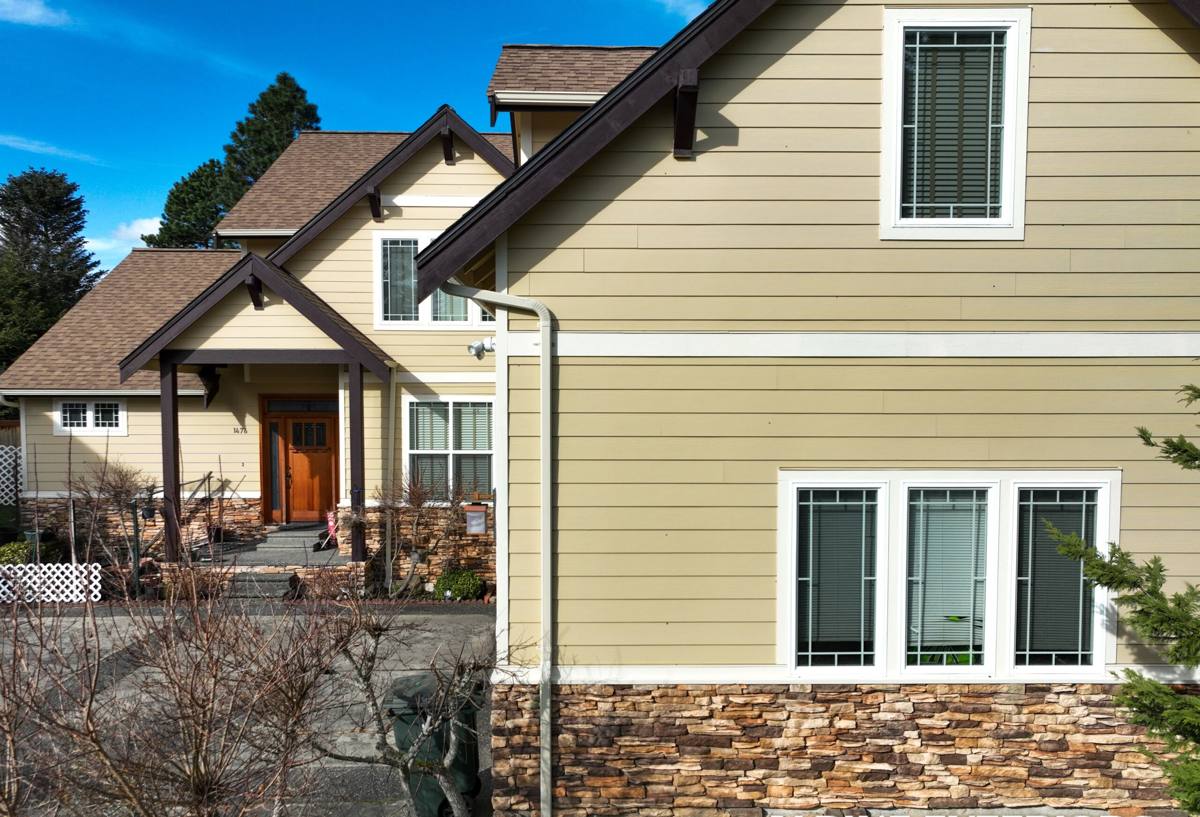
What "Energy-Efficient" Actually Means on the Gulf Coast
A window that's marketed as energy-efficient in a northern climate isn't necessarily the right fit for St. Petersburg. Here, the priorities shift:
Solar Heat Gain Matters More Than Insulation Value
In Pinellas County, keeping heat out is a bigger daily job than keeping heat in. That means the glass package's Solar Heat Gain Coefficient (SHGC) deserves more attention than it would in a colder region. Low-E coatings tuned for heat rejection, not just insulation, are what actually lower cooling costs in a home that runs air conditioning nine or ten months a year.
Wind and Water Performance Are Non-Negotiable
Pinellas County falls within Florida's wind-borne debris region, which means window products installed here need to meet wind load and impact standards under the Florida Building Code — not as an upgrade, but as the baseline for a correct job. A window can have great glass and still fail if the frame isn't rated to handle the pressure differentials a storm creates.
Corrosion Resistance Is Part of the Spec
Salt air doesn't stop at the beach. It travels on the breeze and settles on hardware, fasteners, and frame components throughout St. Petersburg, including inland pockets like Euclid-St. Paul. Hardware and fasteners rated for coastal exposure aren't optional extras — they're what keeps a window operating smoothly five and ten years down the road instead of seizing up or staining.
Signs Your Current Windows Are Costing You Money
Most homeowners don't replace windows because one thing fails dramatically — they replace them because a handful of smaller problems add up. Watch for:
- Rooms near west- or south-facing windows that noticeably run hotter in the afternoon
- Visible condensation or fogging between panes on double-pane units (a sign the seal has failed)
- Frames that feel warm to the touch on sunny days
- Difficulty opening, closing, or locking — often a sign of frame warping or corroded hardware
- Water staining or soft spots on interior sills after heavy rain
- Noticeable street or storm noise that seems louder than it should be
- Chalky, pitted, or discolored aluminum frames
Any one of these on its own might just need a repair. Several at once usually means the window has reached the end of its useful life for this climate.
What a Correct Installation Actually Involves
Energy-efficient windows only perform as advertised if they're installed correctly. In a coastal wind zone, installation quality matters as much as the product itself — arguably more.
Opening Prep and Structural Check
Before a new window goes in, the rough opening gets inspected for level, square, and any wood rot or deteriorated framing hiding behind the old unit. Skipping this step is one of the most common causes of leaks and premature failure, no matter how good the window itself is.
Flashing and Moisture Barrier
Wind-driven rain doesn't just hit a window head-on — it gets pushed sideways and upward under pressure. Proper flashing integration with the home's existing weather-resistive barrier is what keeps that water out of the wall cavity. This is a detail that's easy to rush and hard to inspect once the wall is closed back up, which is exactly why it needs to be done right the first time.
Anchoring to Meet Wind Load
Fastener type, spacing, and embedment depth all need to match the product's tested installation instructions and the wind load requirements for the site. This isn't a place for judgment calls — it's engineering, and it's what the permit inspection is there to verify.
Sealing and Finish Work
Interior and exterior sealant, trim, and insulation around the frame close out the job and prevent air and water infiltration at the perimeter — a common weak point on older installations that were never sealed correctly to begin with.
Comparing Window Frame Options for This Climate
| Frame Material | Wind/Impact Performance | Salt Air Durability | Maintenance | Typical Cost Position |
|---|---|---|---|---|
| Vinyl | Good, with reinforced options for larger openings | Strong — won't corrode | Low; occasional cleaning | Lower to mid-range |
| Aluminum | Very good, common in impact-rated products | Moderate; needs corrosion-resistant hardware and finish | Moderate; watch for pitting over time | Mid-range |
| Fiberglass/Composite | Excellent; dimensionally stable under pressure | Strong — resists corrosion and UV degradation well | Low | Higher |
There's no single "best" answer for every home — it depends on the size and orientation of the openings, the architectural style of the house, and budget. We walk through these trade-offs honestly rather than steering every homeowner toward the same product.
Our Process for Euclid-St. Paul Window Replacements
- On-site assessment: We look at each opening individually — sun exposure, current condition, framing, and any water intrusion history — rather than quoting off a generic template.
- Product selection: Based on that assessment, we recommend glass packages and frame materials suited to the specific exposure of each elevation of the home, not a one-size-fits-all spec.
- Permitting: We handle the permit application and coordinate the required inspections through the City of St. Petersburg, so the job is documented and code-compliant from the start.
- Installation: Old units are removed, openings are inspected and prepped, and new windows are set, flashed, anchored, and sealed to manufacturer and code specifications.
- Final walkthrough: We check operation, seals, and finish work with the homeowner before calling the job complete, and make sure the final inspection is scheduled and passed.
Why Local Experience in This Neighborhood Matters
Euclid-St. Paul has a mix of home ages and construction styles, which means rough openings and existing framing conditions vary more than they would in a newer, uniform subdivision. A crew that has worked this specific area knows what to expect when an old aluminum frame comes out — whether that's outdated flashing, moisture-damaged framing, or an opening that's slightly out of square after decades of settling. That familiarity shortens the surprises during installation and keeps the job on schedule.
It also matters when it comes to permitting and inspection. Contractors who regularly pull permits with the City of St. Petersburg and work within Pinellas County's wind-borne debris region requirements know exactly what documentation and product approvals inspectors expect to see, which keeps the process moving instead of stalling on paperwork.
Questions to Ask Before You Hire
- Is the window product rated for the wind-borne debris region requirements that apply to this address?
- Will you pull the permit, or is that left to me?
- What's the installation method — full frame replacement or insert replacement — and why is that the right call for this opening?
- What does the warranty cover: glass, frame, hardware, and labor separately, or as one package?
- How do you flash and seal the opening, and can you walk me through that step before the wall is closed up?
- What's the realistic timeline from signed contract to final inspection?
A contractor who answers these clearly and specifically, rather than in vague generalities, is a good sign you're dealing with a crew that treats the details seriously.
Maintaining Your Investment After Installation
Energy-efficient windows are a long-term investment, and a little maintenance keeps them performing at their best in this climate. Rinse frames and tracks periodically to clear salt residue, check weep holes for debris so water can drain properly, lubricate hardware as recommended by the manufacturer, and inspect exterior sealant annually for cracking or gaps — small issues are far easier to address early than after they've led to water intrusion.
If you're weighing whether it's time to replace the windows in your Euclid-St. Paul home, we're happy to take a look and give you a straight answer — no pressure, no upsell. Fill out the form below for a free estimate and we'll walk the property with you.