 St. Petersburg Roofing
 Siding Replacement Built for Gulfport's Waterfront Conditions
Gulfport sits right on Boca Ciega Bay, and that waterfront location shapes everything about how siding ages here. Salt-laden air drifts off the bay year-round, working into seams and fasteners. The Florida sun bears down on west- and south-facing walls for most of the year, breaking down pigments and softening lesser materials. And when a tropical system tracks through Pinellas County, siding on a home this close to open water takes wind-driven rain and gusts that inland neighborhoods rarely see at the same intensity. Any siding replacement in Gulfport has to account for all three of these forces at once, not just one of them.
We install James Hardie fiber cement siding exclusively. That's not a marketing angle — it's a standard we hold because we've seen what other materials do on homes in exactly this kind of exposure, and we'd rather turn down a job than install something we don't believe will hold up here.
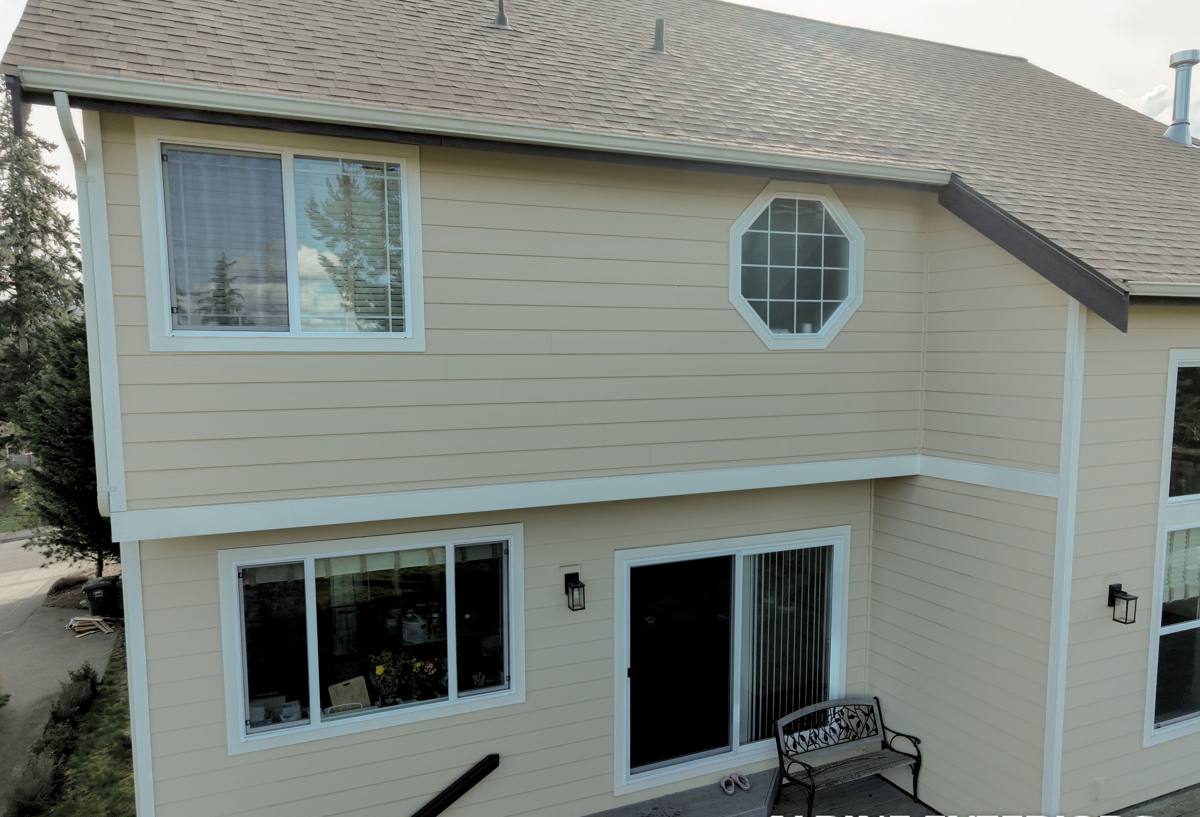
Gulfport's Housing Stock Adds Its Own Wrinkle
A lot of homes in and around Gulfport are older — bungalow and cottage-style construction from decades past, often with additions, re-sidings, or repairs layered on over the years. That history matters when it's time to replace siding. Older wall assemblies were frequently built without the moisture management details modern code requires, and previous siding installations (especially quick vinyl-over-wood jobs) can trap water against original sheathing for years without any visible sign on the surface.
This is why we don't just measure a house and order material. Before any tear-off begins, we're looking at what's actually happening behind the existing siding — whether the sheathing is sound, whether there's evidence of past moisture intrusion, and whether the home's wall assembly needs any correction before new siding goes on. Skipping that step is how a siding replacement ends up being a cosmetic fix over a problem that's still there.
Common Issues We Find on Older Gulfport Homes
- Soft or delaminating sheathing behind wood or vinyl siding near ground level and roof lines
- Missing or degraded house wrap, especially on additions built at different times than the original structure
- Improper flashing around windows and doors that lets wind-driven rain track behind the siding
- Rot at butt joints and corners where old caulk has failed
- Fastener corrosion from decades of salt air exposure
What a Correct Siding Replacement Actually Involves
Siding replacement is a bigger job than it looks from the curb, and the parts you can't see from the street are usually what determine whether it lasts fifteen years or fifty. A correct job, on any home, involves several distinct stages — and shortcuts at any one of them show up later as a problem.
Tear-Off and Inspection
Full removal of the old siding, not installation over it. Covering over existing siding hides problems instead of fixing them, and it's not how we work. Once the wall is exposed, we inspect sheathing, framing, and any prior repairs before anything new goes up.
Sheathing and Substrate Repair
Any soft, water-damaged, or compromised sheathing gets replaced before new siding is installed. This is the step that gets skipped most often on lower-quality jobs, and it's the one that determines whether the wall behind the new siding is actually sound.
Weather-Resistive Barrier
A proper house wrap or weather barrier goes over the sheathing, correctly lapped and sealed, to manage any moisture that does get past the siding surface. In a coastal, high-rainfall climate like ours, this layer is doing real work, not just meeting a code checkbox.
Flashing at Penetrations
Windows, doors, hose bibs, vents, and any other wall penetration get flashed correctly so wind-driven rain can't track behind the siding at these vulnerable points. This is where most real-world leaks originate, far more often than through the field of the siding itself.
Installation to Manufacturer Spec
James Hardie siding has specific fastening patterns, clearances, and joint treatment requirements. Installing it correctly — proper nail placement, correct gaps at butt joints, proper clearance from rooflines and grade — is what keeps the manufacturer's warranty valid and what actually gives the product its rated performance in wind and rain.
Why We Install Only James Hardie Fiber Cement
We made the decision years ago to standardize on one product system rather than offer a menu of siding options, and Gulfport's coastal exposure is a good illustration of why. James Hardie fiber cement is non-combustible, dimensionally stable, and manufactured in HZ (HardieZone) formulations engineered specifically for humid, high-UV climates like ours — a meaningfully different product from the standard formulation sold in drier, colder regions of the country.
The factory-applied ColorPlus finish is baked on and cured under controlled conditions, which gives it better fade and moisture resistance than field-applied paint. That matters directly here: siding facing intense year-round Florida sun and salt air needs a finish that isn't relying on a paint job to hold up. Hardie also carries a strong transferable limited warranty, which adds real value if a Gulfport home changes hands down the road.
We don't install vinyl siding, LP SmartSide, Cemplank, Allura, or primed wood species like spruce or cedar. Each of these has legitimate uses and each has its own strengths — this isn't a claim that they're bad products. But we've made a professional decision, based on what we've seen play out on coastal Florida homes over time, that fiber cement from James Hardie is what we're willing to put our name behind and warranty our labor on.
How the Options Compare for a Coastal Home
| Factor | Vinyl Siding | Wood / LP-Type Products | James Hardie Fiber Cement |
|---|---|---|---|
| Combustibility | Melts/deforms under heat | Combustible | Non-combustible |
| Salt air / humidity behavior | Can warp, fade, brittle over time | Prone to moisture absorption, rot risk | Engineered for humid, coastal climates (HZ5) |
| UV / color stability | Fades, especially darker colors | Relies on field-applied paint upkeep | Factory-cured ColorPlus finish |
| Wind performance | Lower impact and wind resistance | Varies by product and installation | Rated for high-wind installation when installed to spec |
| Maintenance burden | Low, but limited repair options | Periodic repainting, moisture monitoring | Minimal; occasional caulk/paint touch-up per spec |
How Our Process Works
We keep the process straightforward and try to give homeowners a clear picture of what's happening at each stage, since siding replacement is disruptive and it helps to know what to expect.
- On-site inspection. We walk the exterior, look at existing siding condition, check for moisture issues at vulnerable points, and talk through what we're seeing.
- Written proposal. A clear scope of work, product selection (color and profile within the Hardie lineup), and pricing before any work begins.
- Tear-off and substrate inspection. Old siding comes off, sheathing and framing get assessed, and any needed repairs are identified and priced separately so there are no surprises buried in a lump sum.
- Weather barrier and flashing. House wrap and flashing detail work happens before a single piece of new siding goes up.
- Hardie installation. Installed to manufacturer specification for fastening, clearance, and joint treatment.
- Final walkthrough. We review the completed work with the homeowner before calling the job done.
Signs a Gulfport Home May Need Siding Replacement
- Visible warping, buckling, or gaps at siding seams
- Soft spots when you press on the siding surface, especially near the bottom courses
- Persistent staining or streaking that paint or cleaning won't resolve
- Peeling or bubbling paint that keeps returning after repainting
- Rising cooling costs that may point to compromised insulation behind failing siding
- Visible rot, insect damage, or fastener corrosion at inspection points
Why Hiring a Crew That Already Works Gulfport Matters
Siding work in Gulfport falls under Pinellas County and local jurisdiction permitting, and homes this close to the water are typically held to wind-load and weather-resistive-barrier requirements that inland construction doesn't face in the same way. A crew that regularly works this specific area already understands the permitting process, knows what inspectors are looking for on a coastal job, and has a feel for how quickly salt air and sun exposure actually affect a wall assembly here versus a drier or more inland part of the county.
That familiarity shows up in small but meaningful decisions — how tight to set clearances at grade, how much flashing detail a given wall orientation really needs, which corners of a house take the worst of the weather and deserve extra attention. It's the difference between a crew executing a generic install and one making judgment calls based on what actually holds up in this specific environment.
Life After Installation
James Hardie siding is low-maintenance, but "low-maintenance" doesn't mean "no maintenance" — especially in a coastal environment. We recommend periodic rinsing to clear salt residue and airborne debris, prompt attention to any caulk lines that show wear, and keeping an eye on areas where sprinklers or irrigation regularly hit the siding directly, since repeated mineral exposure can affect the finish over time. None of this is heavy upkeep, but it's worth building into a normal home maintenance routine rather than ignoring until a problem shows up.
Get a Straightforward Estimate
If you're noticing signs of wear on your Gulfport home's siding, or you're planning ahead before the next storm season, we're happy to take a look and give you an honest read on what your home actually needs. There's no pressure and no obligation — just a straightforward inspection and a clear proposal. Fill out the form below to schedule a free estimate.