 St. Petersburg Roofing
 Windows Built for Shore Acres, Not Just "Florida"
Shore Acres sits on a series of waterfront fingers and canals off Tampa Bay, which means homes here deal with a tougher combination of conditions than a lot of inland St. Petersburg neighborhoods. You've got near-constant salt-laden air coming off the water, direct sun exposure with little tree cover on many of the canal-front lots, and a flood/wind zone designation that shapes what your windows are legally required to do in a storm. When we install windows in this neighborhood, we're not just swapping out old glass for new — we're accounting for all of that from the start.
A lot of window problems we see in Shore Acres trace back to installs that were done to a generic Florida spec instead of a Pinellas County, near-water spec. The window itself might be rated correctly, but the flashing, sealant, or anchoring wasn't matched to the exposure. That's where leaks, corrosion, and premature failure start.
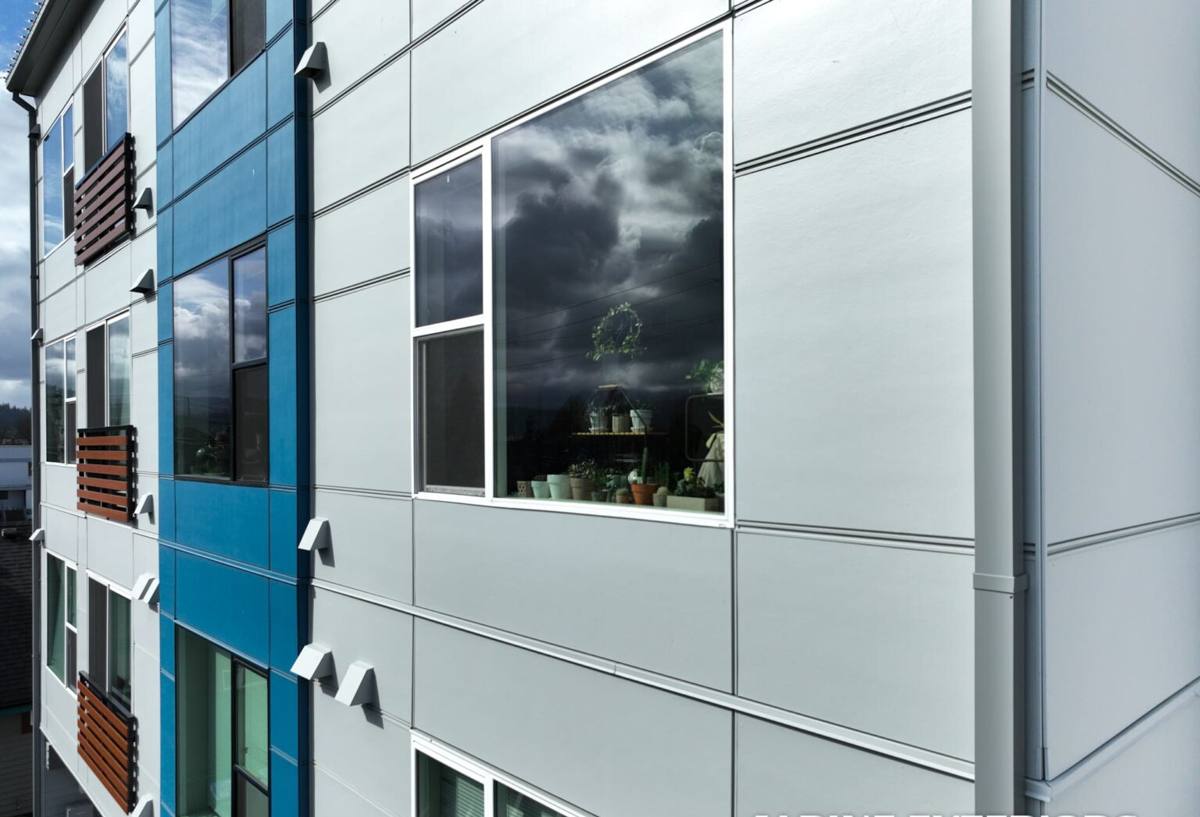
What the Shore Acres Climate Does to Windows
Salt Air and Corrosion
Homes within a mile or so of open water — which describes most of Shore Acres — see accelerated corrosion on any exposed metal hardware, screws, or frame components that aren't rated for coastal exposure. Standard hardware can start showing rust or pitting years before it would inland. We spec corrosion-resistant fasteners and hardware on every coastal install, not as an upsell, but because it's the only way to get a normal service life out of the window.
Hurricane and Wind-Driven Rain
St. Petersburg sits in a High-Velocity Hurricane Zone-adjacent wind region, and Shore Acres' waterfront exposure means wind-driven rain testing matters as much as the wind pressure rating itself. A window can technically meet the pressure number and still leak badly in a sideways rain event if the frame, sill pan, and flashing details aren't right. That's usually a workmanship issue, not a product issue.
UV and Heat
Year-round Florida sun degrades vinyl, weatherstripping, and low-E coatings over time. On south- and west-facing exposures — common on the open lots along the canals — that degradation happens faster. Low-E, UV-stable glazing packages hold up noticeably better here than builder-grade glass.
What a Correct Window Install Actually Involves
Replacing a window isn't just popping in a new unit where the old one sat. The parts homeowners don't see are usually what determines whether the window performs for 20 years or starts leaking in year three.
- Removing the old window down to the rough opening and checking the framing and sill for rot, moisture damage, or prior water intrusion
- Correcting or rebuilding the sill pan so water is directed out, not trapped against wood framing
- Installing flashing tape and a proper drainage plane that integrates with the home's existing weather barrier
- Setting the window plumb, level, and square, with shims at the correct load points
- Anchoring with fasteners rated for the window's design pressure and, in coastal areas, resistant to salt corrosion
- Sealing with the correct sealant at the right joints — not just a bead of caulk around the trim
- Verifying the finished install against the window's Florida Product Approval and the local wind pressure requirement for that opening
Skip or rush any one of those steps and you can end up with a window that looks fine but underperforms in the next storm or starts letting water into the wall cavity.
Choosing the Right Window for a Shore Acres Home
Impact-Rated vs. Non-Impact with Shutters
Homeowners in this area generally choose between laminated impact-rated glass or standard glass paired with approved storm shutters or panels. Impact windows cost more upfront but mean one less thing to manage before a storm, and they also cut down on outside noise year-round — worth mentioning given how close many Shore Acres lots are to open water and boat traffic. Shutter systems can lower the window cost but require you to actually deploy them before every storm.
Frame Material
Vinyl and fiberglass frames both hold up well in this climate when properly installed; we steer clients away from lower-grade aluminum frames in direct coastal exposure because of how they handle corrosion and thermal expansion over time — not because aluminum can't work, but because the coastal-grade versions add cost that often makes vinyl or fiberglass the better value.
Glazing Package
Low-E coated, insulated glass is worth the upgrade almost every time in this market. It cuts down on solar heat gain, which matters for cooling costs in a house that gets full sun for most of the day, and it holds its clarity and performance longer under UV exposure than uncoated glass.
| Factor | What to Consider | Why It Matters in Shore Acres |
|---|---|---|
| Impact rating | Laminated impact glass vs. shutters/panels | Waterfront exposure means higher wind-driven rain risk and no time to deploy panels if you're not home |
| Frame material | Vinyl, fiberglass, coastal-grade aluminum | Salt air accelerates corrosion on standard hardware and lower-grade metal |
| Glazing | Low-E, insulated, UV-stable | Full sun exposure on open lots increases heat gain and UV degradation |
| Installation detailing | Sill pan, flashing, fastener spec | Determines whether the window actually performs to its rating in real weather |
| Product approval | Florida Product Approval / NOA matched to design pressure | Required for permitting and for the window to legally meet local wind load |
Permits, Codes, and What That Means for Your Project
Window replacements in St. Petersburg and unincorporated Pinellas County require a permit, and the window itself has to carry a Florida Product Approval matched to the wind pressure requirement for that specific opening on your house — which varies by wall location, story height, and proximity to the water. We handle the permit application and inspection process as part of the job, and we only install windows with the product approval documentation to back up the install. If a contractor offers to skip the permit to save time or money, that's a red flag — it usually means the work isn't going to hold up to inspection, and it can create real problems if you ever sell the house or file an insurance claim.
Our Process for a Shore Acres Window Job
- On-site assessment — we look at each opening, check the framing condition, and measure for the correct wind pressure rating based on the wall's location on the house
- Product selection — we walk through impact vs. shutter options, frame materials, and glazing packages based on your budget and the exposure of each side of the house
- Permitting — we pull the required permit and make sure the product approval documentation matches what's being installed
- Removal and prep — old windows come out, and we inspect and correct the rough opening, sill, and flashing before anything new goes in
- Installation — windows are set, anchored, and sealed to spec, with coastal-rated hardware where the exposure calls for it
- Inspection and walkthrough — we get the required inspection signed off and walk the finished work with you before we consider the job done
Why Local Experience in This Neighborhood Matters
Shore Acres isn't a uniform neighborhood from a wind-and-water standpoint — a home on a canal-front lot with open exposure faces different pressure and rain conditions than a home a few streets back. A crew that's worked here before knows to check flood zone and elevation details, knows which sides of a typical Shore Acres lot take the worst of the wind-driven rain, and isn't guessing at the local permit process for the first time on your project. That local familiarity is the difference between a window install that's technically code-compliant and one that's actually built for how this specific neighborhood gets weather.
Signs Your Shore Acres Home Needs New Windows
- Fogging or moisture between panes, indicating a failed seal
- Visible corrosion or rust staining on frames or hardware
- Windows that are difficult to open, close, or lock properly
- Drafts, water intrusion, or staining on interior walls or sills after storms
- Noticeably higher cooling bills without another clear cause
- Frames that are original to a home built before current wind load codes took effect
If you're seeing any of these, it's worth having someone look at the windows before the next storm season rather than after a leak shows up.
If you're weighing window options for a Shore Acres home, we're happy to walk the property, look at your current windows, and put together a straightforward, no-pressure estimate — just fill out the form below and we'll get in touch.