 St. Petersburg Roofing
 Why Shore Acres Siding Has to Work Harder Than Siding Inland
Shore Acres sits on the Tampa Bay side of St. Petersburg, and that waterfront location changes what "good siding" means. A product that holds up fine forty miles inland can fail early here, not because it's a bad product everywhere, but because it was never engineered for constant salt air, near-daily UV load, and the wind-driven rain that comes with living this close to open water. Homeowners in this neighborhood are also dealing with low elevation and canal exposure, which means moisture pressure on the exterior envelope is more constant than in drier parts of Pinellas County.
Salt Air and Humidity
Airborne salt accelerates corrosion on fasteners, trim, and any siding material with a coating that isn't built to resist it. Combined with Florida's year-round humidity, this creates conditions where seams stay damp longer, paint fails faster, and any siding with a wood or wood-composite base is at higher risk of swelling and rot at butt joints and cut ends.
Wind-Driven Rain and Storm Exposure
Being close to the bay means storms don't just bring rain — they bring rain sideways, under soffits, and into any gap in the water-resistive barrier. Hurricane-force wind events put real load on fastener patterns and panel edges, and a siding job that was installed a little loose or under-fastened is the first thing that shows damage after a named storm rolls through.
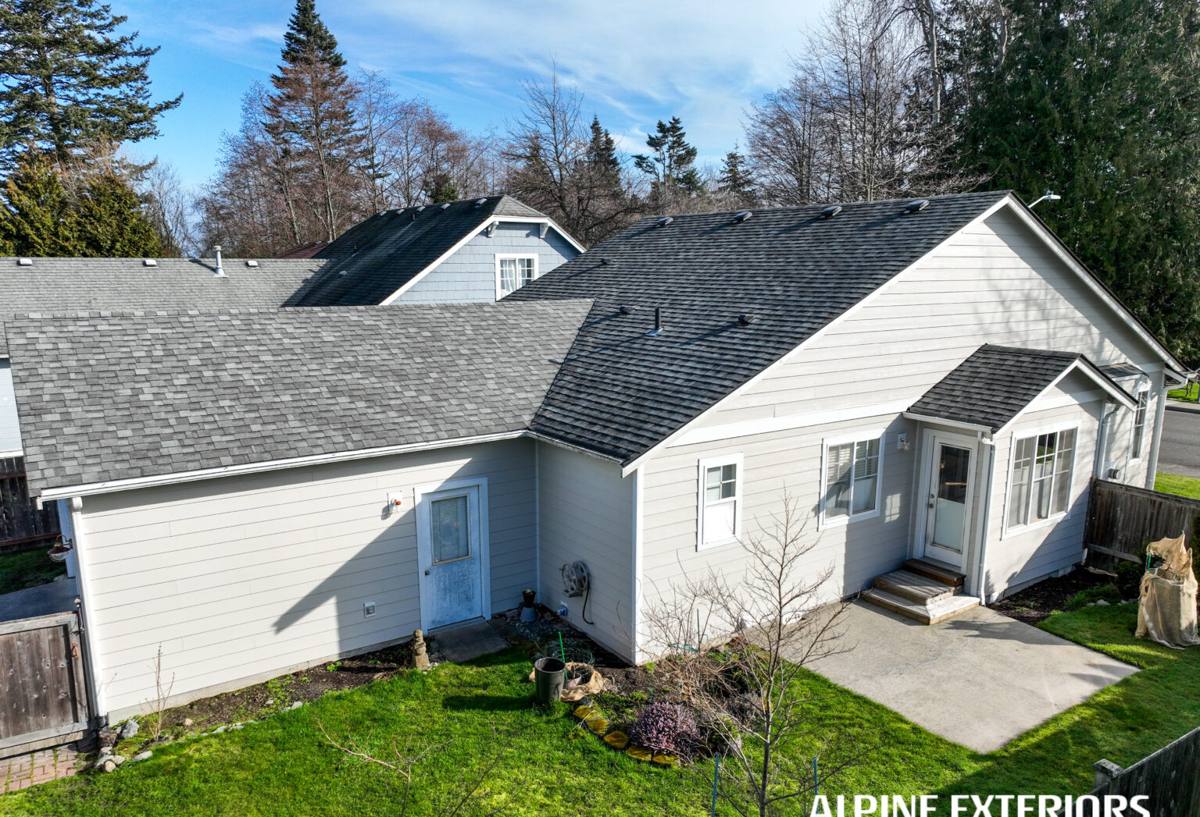
Why This Company Installs Only James Hardie Here
We don't install vinyl, LP SmartSide, Cemplank, Allura, or unfinished wood siding — not because there's no market for them, but because after years of coastal Pinellas County work, James Hardie fiber cement is the one system we're comfortable standing behind on a Shore Acres home. That's a professional standard, not a knock on every other product; it comes down to how each material actually behaves in salt air and high humidity over a 20-30 year timeline.
A Non-Combustible, Moisture-Stable Core
James Hardie siding is fiber cement — sand, cement, and cellulose fiber — so it doesn't swell, rot, or delaminate the way wood-based composite siding can when it stays damp at seams and cut edges. It's also non-combustible, which matters for insurance conversations independent of climate.
HZ5 Formulation for Humid, High-Moisture Climates
James Hardie makes region-specific formulations, and the HZ5 product line is engineered specifically for Florida's humidity and moisture exposure. That's a meaningful difference from a one-size-fits-all siding product — the plank composition is matched to the climate it's going on, which is exactly the climate Shore Acres sits in.
ColorPlus Factory Finish
ColorPlus is baked on in a controlled factory environment with multiple coats and UV-cured resin, not brushed or sprayed on site. In a location getting intense, near-constant sun exposure, that factory finish resists fading and chalking far longer than a field-applied paint job, and touch-up product is available so small nicks don't turn into a full repaint down the road.
What a Correct Installation Actually Involves
Fiber cement siding is only as good as the installation underneath it. A rushed or spec-shortcut job on this material will show problems years before it should, especially in a coastal wind and moisture environment.
Substrate and Moisture Barrier Prep
Before a single plank goes up, the sheathing needs to be sound and the water-resistive barrier needs to be continuous and properly lapped — shingle-style, so water sheds outward at every seam. Any soft or water-damaged sheathing found during tear-off gets replaced, not covered over. Skipping this step is the single most common reason siding fails early near the coast, regardless of the product installed over it.
Fastening and Flashing to Manufacturer Spec
James Hardie publishes exact fastener type, spacing, and penetration requirements, and those specs exist for a reason in wind zones like ours. Flashing at windows, doors, and any wall penetration has to be layered correctly so water is directed out, not trapped behind the panel. Joints get properly caulked or covered per Hardie's detail, and starter strips are set to the correct reveal so the whole wall plane locks together instead of relying on caulk alone to keep water out.
Wind Zone and Local Code Compliance
Pinellas County and St. Petersburg building code reflect the area's wind exposure category, and siding attachment has to meet that standard, not just a generic national minimum. A crew that treats every job the same regardless of location is the crew most likely to under-build for what this specific stretch of coastline sees in a storm.
Our Process on a Shore Acres Job
- On-site inspection of existing siding, trim, and any signs of moisture intrusion at seams, corners, or penetrations
- Assessment of sheathing condition once old siding is removed, with any repairs called out before installation begins
- Installation of a continuous, properly lapped water-resistive barrier
- James Hardie panel and trim installation to manufacturer fastening and flashing specifications, matched to the correct HZ formulation for this climate
- Detail work at windows, doors, corners, and roof-to-wall transitions — the places that actually fail first in wind-driven rain
- Final walkthrough and cleanup, with documentation useful for insurance or warranty registration
James Hardie Compared to Other Siding Options in This Climate
| Factor | James Hardie Fiber Cement | Vinyl | Wood-Based Composite (e.g. LP SmartSide) |
|---|---|---|---|
| Moisture behavior | Dimensionally stable, engineered core (HZ5) for humid climates | Doesn't rot, but can warp or crack under thermal and wind stress | Wood-fiber base can swell or degrade if edges or seams stay wet |
| Wind performance | Rigid panel, strong fastener-hold when installed to spec | Lighter panel, more prone to wind uplift damage in gusts | Solid performance if sealed well; failure point is moisture at cut edges over time |
| UV and finish life | ColorPlus factory finish resists fading; field-paint option also available | Color molded in, but can fade and become brittle over time in intense sun | Typically field- or factory-painted; repaint cycle needed sooner |
| Fire rating | Non-combustible | Combustible | Combustible |
| Long-term maintenance | Occasional wash, caulk check, repaint on your schedule | Low maintenance but limited repair options once brittle or cracked | Sealant and paint maintenance at joints and edges is more critical |
What Affects the Cost of a Shore Acres Siding Project
| Cost Factor | Why It Matters Here |
|---|---|
| Home size and wall complexity | More corners, gables, and window trim mean more cut edges and detail work |
| Sheathing condition | Salt air and past moisture intrusion sometimes mean hidden repairs once old siding comes off |
| Plank profile and trim selection | Lap width, texture, and trim style affect material cost and labor time |
| Finish choice | Factory ColorPlus finish costs more upfront than primed product but avoids an early repaint |
| Access and site conditions | Canal-front lots, fencing, and landscaping can affect staging and labor time |
Maintenance Homeowners Should Actually Plan For
- Rinse siding periodically to remove salt residue and airborne grime, especially on sides facing the water
- Inspect caulking at trim, windows, and joints once a year and after major storms
- Check for any signs of impact damage after hurricane season and address chips promptly to protect the finish
- Keep sprinklers and irrigation from spraying directly on siding to reduce constant moisture exposure at the base of walls
- Trim vegetation back from exterior walls to maintain airflow and reduce trapped humidity against the siding
Why Hiring a Crew That Already Works This Neighborhood Matters
Siding installation isn't generic work, and coastal siding installation even less so. A crew that regularly works Shore Acres and the surrounding St. Petersburg waterfront already understands the wind exposure category the area falls under, has a working relationship with local permitting, and has seen firsthand how flashing and fastening details hold up — or don't — after a real storm season. That's different from a crew that installs siding all over the region without a feel for how this specific stretch of Pinellas County coastline behaves. It shows up in the small decisions: how tight the flashing laps are at a window facing the prevailing wind, how the crew handles a lot with limited street access, and whether the finished product is built to the wind and moisture load this neighborhood actually sees, not just the code minimum somewhere else.
If you're weighing a siding replacement or repair in Shore Acres, we're happy to walk the exterior with you, point out what we see, and give you a straight answer on what it would take to do the job right. Request a free, no-pressure estimate using the form below.