 St. Petersburg Roofing
 Why Seminole Roofs Wear Out Faster Than People Expect
Seminole sits close enough to the Gulf that its homes deal with a combination of stresses most inland roofs never see: sustained coastal humidity, salt-laden air, intense year-round UV exposure, and the real possibility of hurricane-force wind and wind-driven rain during storm season. None of these factors are dramatic on their own, but together they shorten the working life of a roof and make correct installation more important than it would be in a milder climate. A roof that's installed "close enough" in Seminole tends to show it early — granule loss, curling shingle edges, soft decking around penetrations, and leaks that show up long before the manufacturer's warranty runs out.
A new roof installation here isn't just about laying down new material. It's about building an assembly — deck, underlayment, flashing, fasteners, and covering — that's matched to Pinellas County's climate and to the current Florida Building Code, not just to whatever was code when the last roof went on.
What a New Roof in Seminole Actually Has to Handle
Wind and Uplift
Seminole isn't right on the open Gulf, but it's close enough that tropical storm and hurricane wind events are a real design consideration, not a hypothetical. Roof failures in wind events are almost always uplift failures — the covering or the deck itself lifting at an edge, corner, or ridge because it wasn't fastened or sealed to resist negative pressure. Correct installation means fastening patterns, nail counts, and edge treatments that are actually rated for the wind speeds Pinellas County requires, not the minimum that happens to hold on a calm day.
UV and Heat
Florida sun is hard on roofing materials year-round, not just in summer. UV breaks down asphalt binders and adhesives over time, which is part of why a shingle roof's real service life in this climate is usually shorter than its rated warranty life. Material choice and proper attic ventilation both affect how much heat and UV stress the roof assembly actually absorbs.
Wind-Driven Rain
Straight-down rain is easy for almost any roof to shed. Wind-driven rain — rain pushed sideways and even upward under wind pressure — is what finds the gaps in a poorly detailed roof: under-lapped flashing, unsealed nail penetrations, valleys that weren't built with enough underlayment. This is one of the most common sources of "mystery leaks" in coastal Florida homes, and it's almost entirely preventable with correct installation.
Salt Air and Corrosion
Even at Seminole's distance from the open water, salt air travels and accelerates corrosion on exposed metal — fasteners, flashing, vent stacks, and drip edge. Using fastener and flashing metals rated for coastal exposure, rather than standard-grade hardware, is a detail that doesn't show up on a finished roof but matters a great deal ten years later.
What Correct New Roof Installation Involves
A proper re-roof is a sequence, and skipping or rushing any step is where most premature failures start.
- Full tear-off and deck inspection — removing the old roofing down to the deck so soft, rotted, or delaminated sheathing can be found and replaced, not covered over.
- Deck fastening check — re-nailing the deck to current code where the original nailing pattern falls short, which is one of the biggest wind-performance upgrades a re-roof can deliver.
- Self-adhering or synthetic underlayment — a secondary water barrier that keeps the home dry even if wind or storm damage compromises the outer covering.
- Metal flashing at every transition — valleys, walls, chimneys, skylights, and roof-to-wall junctions, sized and lapped correctly rather than relying on sealant alone.
- Corrosion-resistant fasteners — matched to the covering material and appropriate for coastal air exposure.
- Balanced attic ventilation — intake and exhaust sized to move heat and moisture out of the attic, protecting both the roof deck and the home's cooling costs.
- Manufacturer-compliant installation of the final covering — the shingle, tile, or metal panel installed to the pattern and fastening schedule that keeps its wind rating and warranty intact.
Permits, Codes, and Wind Mitigation in Pinellas County
New roof installations in Seminole require a permit through the applicable local building department, along with inspections at defined stages of the work. This isn't paperwork for its own sake — it's the mechanism that confirms the deck, underlayment, and covering were actually installed to the wind and water-resistance standards the Florida Building Code requires for this part of the state. A roof installed without permits and inspections may look fine, but there's no independent verification that it will perform when it's tested by a real storm.
Permits and code compliance also matter at resale and for insurance. After a qualifying re-roof, homeowners can typically have a wind mitigation inspection completed, which documents features like roof shape, deck attachment, and roof-to-wall connections on the state's Uniform Mitigation Verification Form. Insurers use that form to calculate windstorm premium discounts, so a correctly installed and documented new roof can have a real effect on ongoing insurance costs, not just on protecting the house itself.
Choosing a Roofing Material for Seminole's Climate
There's no single "best" roofing material for every home — the right choice depends on the roof's structure, the home's style, budget, and how much long-term maintenance the homeowner wants to take on. Here's how the common options compare for a coastal Pinellas County property:
| Material | Wind performance | Heat/UV behavior | Coastal durability | Typical lifespan |
|---|---|---|---|---|
| Architectural asphalt shingle | Good, when installed with correct nailing and sealed edges | Moderate — dark colors absorb more heat | Good with proper fasteners and flashing | 15–25 years in this climate |
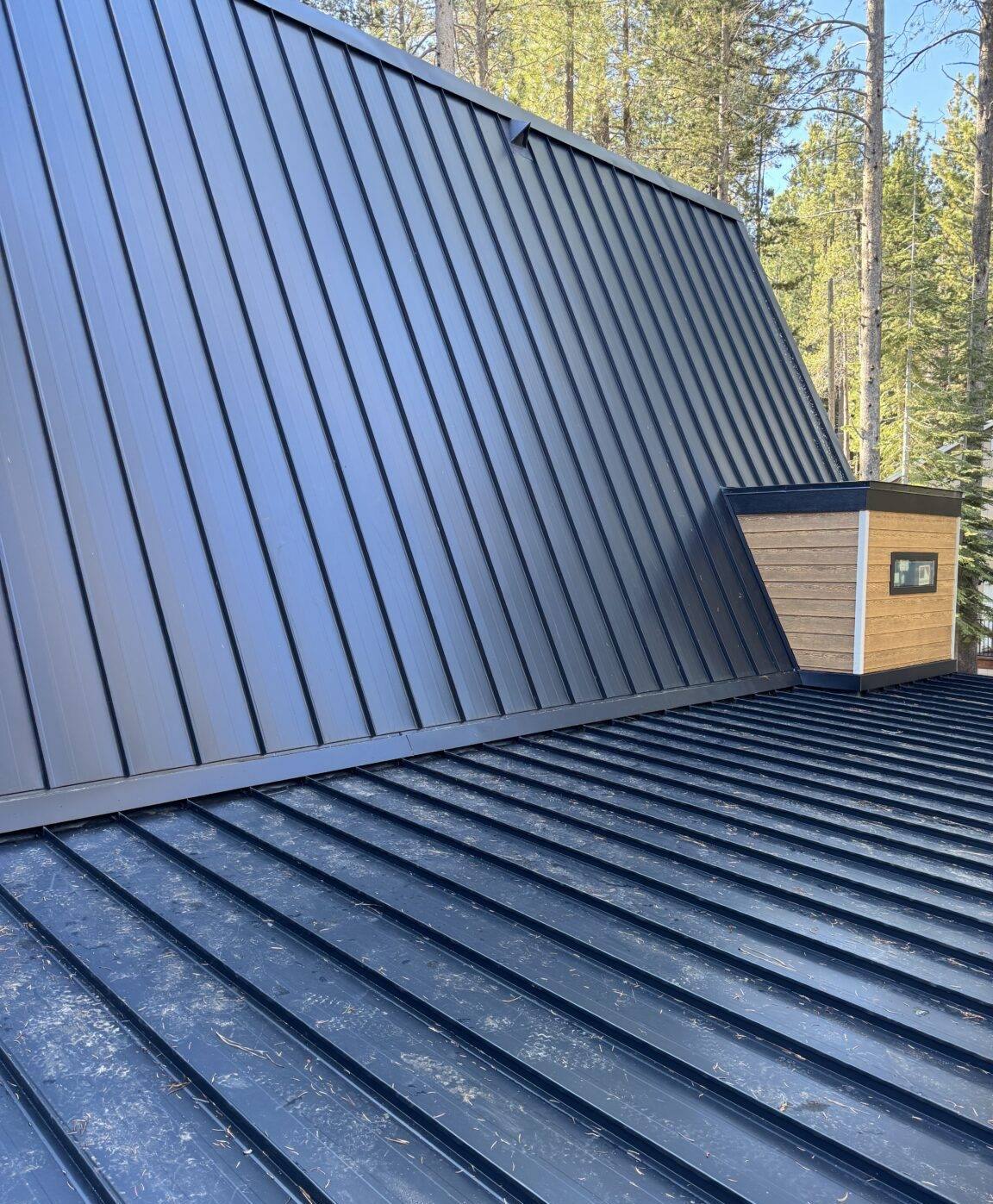
| Standing-seam metal | Excellent uplift resistance when properly clipped/fastened | Reflects heat well, especially lighter finishes | Very good with coastal-rated coatings and fasteners | 30–50 years |
| Concrete or clay tile | Good when tiles are properly fastened/adhered; heavy, so structure must support it | Naturally reflective, ages well in sun | Very good; underlayment is the long-term weak point | 30–50+ years (underlayment usually needs replacement sooner) |
Whatever covering is chosen, we install it to the manufacturer's high-wind installation instructions rather than the minimum standard pattern — that's what preserves both the wind rating and the warranty in a market like this one.
Our Process for a Seminole New Roof Installation
- On-site inspection and honest assessment — we look at the deck, structure, ventilation, and existing damage before recommending replacement over repair.
- Written proposal — material options, scope of work, and pricing laid out clearly, with no pressure to decide on the spot.
- Permitting — we pull the required permit and schedule inspections through the appropriate building department.
- Tear-off and deck repair — full removal of the old roof, with any compromised decking replaced and documented, not hidden under new material.
- Underlayment, flashing, and covering installation — built up in the sequence described above, to code and to manufacturer specification.
- Final inspection and cleanup — passing the required building inspection, magnetic sweep for debris, and a final walkthrough with the homeowner.
- Paperwork for insurance and warranty — permit closeout documentation and manufacturer warranty registration handed over for the homeowner's records.
Getting Ready for Your Roof Replacement: A Homeowner's Checklist
- Clear vehicles from the driveway and any items you don't want exposed to vibration or debris from the yard near the house.
- Move or cover attic storage — tear-off and re-decking can shake loose dust and debris into the attic space.
- Take down wall-mounted decorations and secure loose items on porches or patios.
- Plan for noise and activity during working hours, and let neighbors know if you're in a shared driveway or close-lot situation.
- Keep pets indoors or away from the work area for the duration of the project.
- Ask your contractor how storm-related delays or material lead times will be communicated, so there are no surprises mid-project.
Why a Crew That Already Works in Seminole Matters
Roofing code and inspection requirements aren't identical everywhere in Florida — permitting steps, inspection scheduling, and typical wind-mitigation documentation vary by jurisdiction. A crew that regularly works Seminole and the surrounding St. Petersburg and Pinellas County area already knows the local permitting process, the inspection expectations, and the realistic wind and rain exposure specific to this part of the Gulf Coast. That familiarity shows up in fewer surprises during the permit process, fewer callbacks for missed details, and a roof that's actually built for the conditions it will face here — not for a generic national spec sheet.
It also matters for accountability. A local crew has a reputation in the community to maintain and is available for warranty follow-up without the home being just one stop on a storm-chasing route that leaves town once the season's work dries up.
Ready to Talk About Your Roof?
If your Seminole home's roof is aging, showing granule loss, or due for replacement after storm damage, we're happy to take a look and walk you through honest options — no pressure, no hard sell. Fill out the form below to schedule a free estimate.