 St. Petersburg Roofing
 Fiber Cement Siding Built for Seminole's Climate
Seminole sits close enough to the Gulf that salt air, wind-driven rain, and tropical humidity are part of daily life for every exterior surface on a house. Add Florida's year-round UV exposure and the occasional hurricane-force wind event, and you have one of the toughest climates in the country for exterior siding. Homes here don't fail because siding is a bad idea — they fail because the wrong material, or the right material installed the wrong way, was asked to do a job it wasn't built for.
Vinyl softens and warps in sustained heat, wood-based products absorb moisture and swell along cut edges, and even some fiber cement lines are formulated for drier, more temperate climates than ours. That's the reason we install only James Hardie fiber cement siding, engineered specifically for high-humidity, high-UV, hurricane-prone regions like Pinellas County. When we're on a Seminole job, we're not guessing at what the climate will do to the product over the next twenty years — Hardie has already engineered for it.
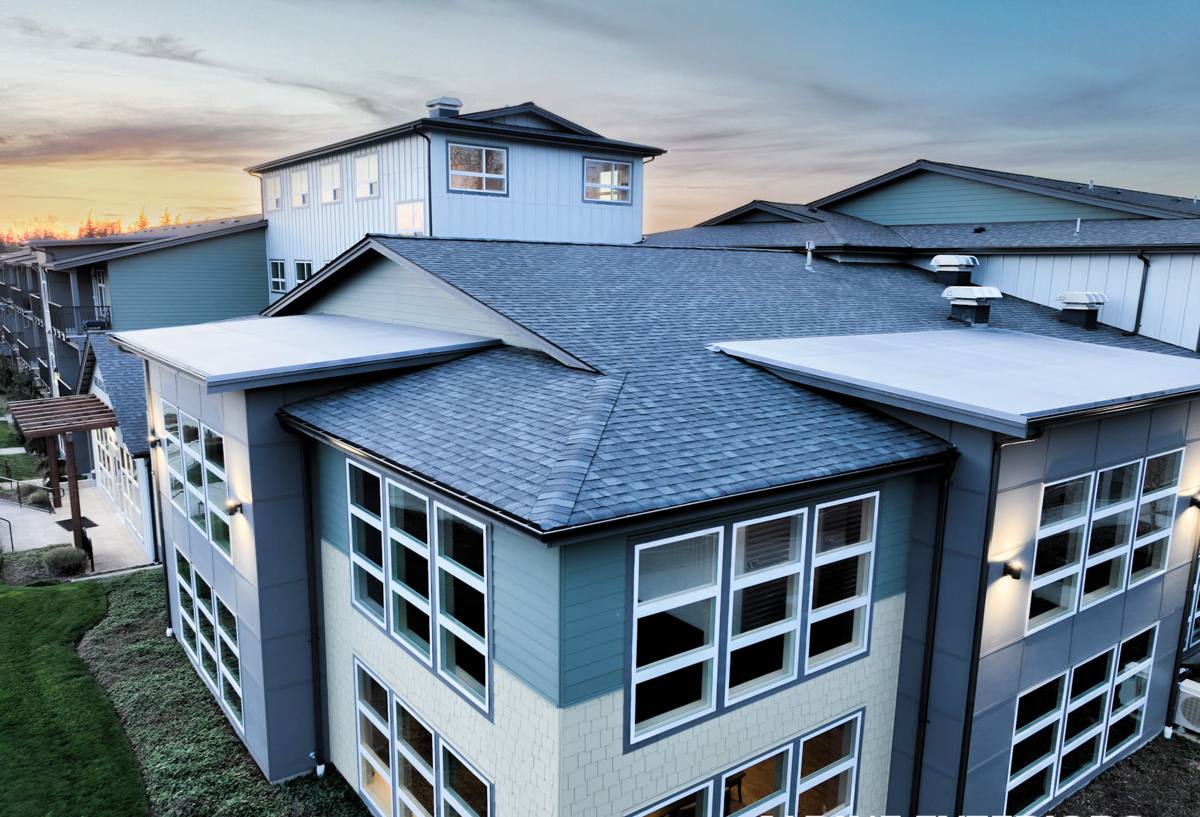
What Seminole Homes Need From Their Siding
Wind resistance that holds up to storm season
Seminole homes need siding rated to withstand sustained high winds and wind-driven debris, not just a product that looks good on a calm day. Fiber cement's density and rigidity give it a real advantage here — it doesn't flex, rattle loose, or peel back at the edges the way lighter cladding materials can under sustained gusts. But wind resistance is only as good as the fastening schedule and the way panels are secured to the wall assembly, which is why installation technique matters as much as the product itself.
Moisture management, not just moisture resistance
Wind-driven rain doesn't just hit a wall — it gets pushed sideways and upward into laps, seams, and penetrations. Correct fiber cement installation assumes water will reach the wall plane occasionally and gives it a way out: proper weather-resistant barrier, correct lap overlap, flashing at every horizontal transition, and drainage space where the assembly calls for it. Siding that's caulked shut everywhere with no path for incidental moisture to escape is a siding job set up to trap water, not shed it.
UV stability that doesn't chalk or fade
Florida sun is relentless, and a factory finish that isn't formulated for it will chalk, fade, and need repainting within a handful of years. James Hardie's ColorPlus finish is baked on and warranted against fading and chalking well beyond what field-applied paint typically holds up, which matters a lot on a home that gets full sun exposure most of the year.
Corrosion resistance in salty air
Even homes several miles inland from the coast get measurable salt exposure in this part of Pinellas County. Salt air accelerates corrosion in fasteners, flashing, and any exposed metal trim. Correct fastener selection and flashing material are non-negotiable details on a Seminole siding job, not upgrades.
Why James Hardie, Specifically
James Hardie makes climate-specific HardieZone products, and the HZ10 formulation is engineered for hot, humid, high-moisture climates like Florida's — as opposed to the HZ5 formulation sold in colder, drier regions. That distinction matters more than most homeowners realize: a fiber cement product engineered for a dry northern climate is not the same product, chemically or physically, as one engineered for the Gulf Coast. When we specify Hardie for a Seminole home, we're specifying the version of the product actually built for this environment.
We don't install LP SmartSide, vinyl, Cemplank, Allura, or bare wood siding, and that's a deliberate standard, not a lack of options. Engineered wood products use wood fiber as their base, which means the cut edges and any breach in the factory coating are vulnerable to moisture intrusion — a real liability in a climate this humid. Vinyl is inexpensive and low-maintenance in mild climates, but it softens, warps, and can crack under sustained heat and wind-driven impact, and it doesn't offer the fire resistance or rigidity of fiber cement. Other fiber cement brands aren't necessarily bad products, but we've standardized on one system, one warranty structure, and one set of installation specs so every crew on every job is working from the same playbook and every homeowner gets the same accountable install — no exceptions and no guesswork about which product line is actually on the truck.
What a Correct Fiber Cement Installation Actually Involves
Fiber cement siding is only as good as the assembly behind it. A rushed or undertrained install can leave a home with siding that looks right for a season or two and then fails at the seams. Here's what we treat as non-negotiable on every Seminole project:
- A continuous, correctly lapped weather-resistant barrier behind the siding, with no gaps at seams or penetrations
- Minimum clearance from grade, roofing, decks, and other hard surfaces so the bottom edge of the siding never sits in standing water or gets wicked
- Corrosion-resistant, siding-rated fasteners driven to the manufacturer's specified depth — not overdriven, not underdriven
- Proper joint treatment at butt seams, with flashing or Hardie's engineered joiners rather than caulk alone carrying the load
- Correct flashing integration at windows, doors, and any wall penetration, tied into the water-resistive barrier so water is directed out, not in
- Factory-cut, factory-primed and finished edges wherever possible, with any field cuts sealed per manufacturer specification
- Fastening patterns and nailing zones matched to the local wind zone requirements, not a generic national default
Every one of these steps is inspectable, and every one of them is easy to skip if a crew is moving fast. We build our process around getting them right the first time because re-doing siding work is far more disruptive and expensive than doing it correctly up front.
Our Process on a Seminole Project
1. On-site assessment
We start with a walk-around of the home to look at current siding condition, moisture staining, trim and fascia condition, and any areas where the existing wall assembly shows signs of past water intrusion. This tells us whether we're dealing with a straightforward re-side or whether there's underlying sheathing or framing work to address first.
2. Product and color selection
We walk homeowners through the relevant HardiePlank, HardieShingle, or HardiePanel profiles and ColorPlus finish options for their home, factoring in HOA guidelines where applicable and the way different profiles read against Florida's strong natural light.
3. Tear-off and substrate check
Old siding comes off and we inspect the sheathing underneath. Any water-damaged or compromised substrate gets repaired before a single new panel goes up — installing new siding over a compromised wall assembly just hides a problem instead of fixing it.
4. Weather barrier and flashing
We install a continuous, correctly overlapped weather-resistant barrier and integrate flashing at every window, door, and penetration before any siding panel is hung.
5. Installation to manufacturer and wind-zone spec
Panels go up following James Hardie's installation specifications and the fastening pattern required for our local wind zone, with attention to clearances, joint treatment, and fastener placement at every course.
6. Final inspection and walkthrough
We walk the finished job with the homeowner, checking caulking, trim, paint touch-up at any field cuts, and overall fit and finish before calling the project complete.
Why Local Experience in Seminole Matters
A crew that regularly works Pinellas County knows the wind-load requirements local permitting offices expect to see, understands how salt exposure varies by proximity to the water within the area, and has already made the adjustments that generic national installation guides don't spell out. That local knowledge shows up in small decisions — fastener choice, flashing material, how tight to run clearances near grade — that don't matter much in a milder climate but matter a great deal here. It also means a contractor who's still around next year and the year after, which matters when a warranty claim or a question comes up down the road.
Cost Factors on a Seminole Fiber Cement Project
Every home is different, but the factors that actually move the price on a fiber cement re-side are consistent. This isn't a quote — it's what to expect a contractor to walk you through before giving you one.
| Factor | Why It Matters |
|---|---|
| Home size and wall complexity | More corners, gables, and dormers mean more cuts, more flashing details, and more labor hours |
| Current siding removal | Tear-off of old vinyl, wood, or damaged siding adds labor and disposal cost versus a bare wall |
| Substrate repair | Water-damaged sheathing or framing found during tear-off needs to be repaired before new siding goes up |
| Siding profile | Lap siding, shingle-style, and panel systems have different material and labor costs |
| Trim and accessory scope | Fascia, soffit, corner boards, and window trim replacement add to the overall project |
| Color and finish | Factory ColorPlus finishes cost more upfront than primed siding but eliminate a full paint job |
Maintenance and the James Hardie Warranty
Correctly installed fiber cement siding is genuinely low-maintenance, but low-maintenance isn't no-maintenance, especially in this climate. Homeowners should expect to periodically rinse salt residue and pollen off the surface, check caulking at trim and penetrations annually, and keep an eye on any spot where sprinklers or landscaping keep the siding consistently wet. James Hardie backs its products with a limited transferable warranty on the substrate and a separate finish warranty on ColorPlus color retention — both of which are only as good as the installation underneath them, since improper install practices are a common reason warranty claims get denied. That's another reason installation quality isn't a place to cut corners: the manufacturer's warranty and the installer's workmanship warranty both depend on it.
A Checklist Before You Choose a Siding Contractor
- Ask specifically which siding brand and product line they install, and why
- Confirm they carry current licensing and insurance for work in Pinellas County
- Ask how they handle substrate repair if damage is found during tear-off
- Ask what fastening pattern and clearances they use, and whether it's adjusted for local wind zone requirements
- Get the warranty terms in writing, both the manufacturer's and the installer's workmanship warranty
- Ask for a clear, itemized estimate before work begins, not a rough verbal number
If your Seminole home's siding is aging, showing moisture staining, or you're simply ready for an upgrade that's actually built for this climate, we're happy to walk the property with you and talk through what a correct James Hardie installation would look like for your home. Reach out for a free, no-pressure estimate using the form below.