 St. Petersburg Roofing
 Roofing in Childs Park: A Different Set of Demands
Childs Park is one of St. Petersburg's established residential neighborhoods, with a housing stock that spans decades of Florida construction — from older ranch-style homes to newer infill builds. Many of these roofs have already been through multiple hurricane seasons, years of subtropical sun, and the slow, steady effects of salt-laden air blowing in off Tampa Bay and the Gulf. That combination doesn't just wear a roof out cosmetically. It attacks the materials underneath the shingles or tiles, the flashing around penetrations, and the deck itself.
A roof replacement done right in this part of Pinellas County isn't just a matter of swapping old shingles for new ones. It's a chance to correct whatever weaknesses let the old roof fail early, and to build back a system that's actually matched to what a St. Petersburg roof has to survive year after year.
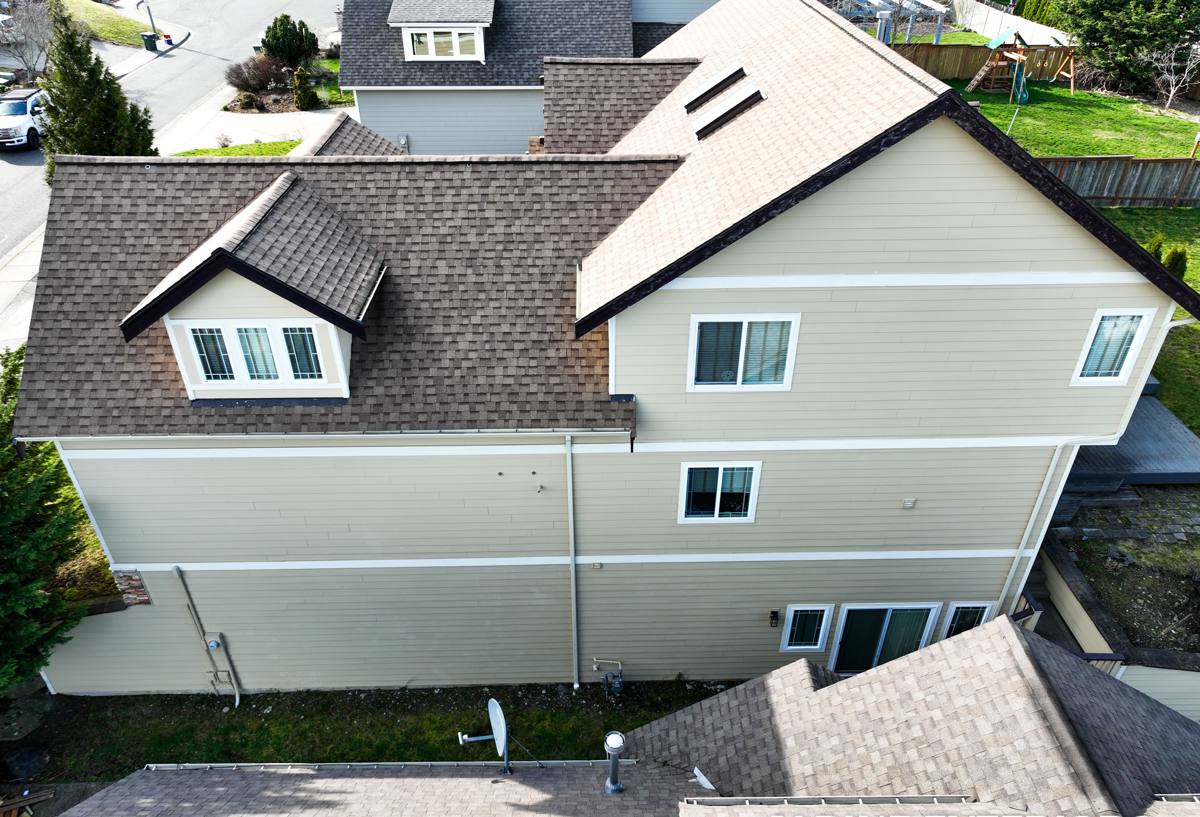
How St. Petersburg's Climate Shortens Roof Life
Hurricane-Force Wind
Pinellas County sits in a high-wind coastal zone, and even a season without a direct hurricane hit typically brings tropical storms and strong squall lines. Wind doesn't just tear shingles off in a single dramatic event — it works on fasteners and adhesive seals over and over, loosening them slightly with every strong gust until a moderate storm finally does the damage a well-installed roof should have shrugged off.
Year-Round UV Exposure
Florida's sun is intense for most of the year, not just in summer. UV breaks down the oils and asphalt binders in shingles, causing granule loss, brittleness, and premature cracking. A roof that might last several decades in a milder climate often shows significant UV wear well before that in St. Petersburg.
Wind-Driven Rain
It's rarely just rain — it's rain pushed sideways under pressure. Wind-driven rain finds any gap in flashing, any lifted shingle tab, or any aging underlayment and drives water where it was never meant to go. This is one of the most common causes of hidden roof leaks in this area, and it's why underlayment and flashing quality matter as much as the shingles themselves.
Salt Air
Being close enough to the Gulf and Tampa Bay to catch salt air means metal components — fasteners, flashing, vents, and drip edge — corrode faster than they would inland. Cheap or mismatched metal is often the first thing to fail on a coastal-influenced roof, sometimes years before the shingles themselves are due for replacement.
Signs a Childs Park Roof Needs Replacement, Not Another Repair
Not every roofing problem calls for a full replacement, but there's a point where patching becomes a waste of money. Common indicators we look for include:
- Shingles that are cracked, curling, or losing granules across large sections of the roof, not just one area
- Repeated leaks in different spots after previous repairs
- Visible sagging in the roofline, which can indicate deck or structural issues
- Roof age at or beyond the expected service life for the original material
- Soft spots in the decking found during inspection or previous repair work
- Missing or lifted shingles after wind events, especially if it's become a recurring pattern
- Rising energy bills tied to poor attic ventilation or failing roof insulation
If a roof is showing two or more of these signs at once, a replacement is usually more cost-effective than continuing to chase individual repairs.
What a Correct Roof Replacement Actually Involves
A roof replacement is more than the visible layer. Each part of the system has a job to do, and skipping or shortcutting any of them is where most premature failures start.
Full Tear-Off
We remove the old roofing material down to the deck rather than layering new shingles over old. Layering hides deck problems, traps moisture, and voids most manufacturer warranties. A full tear-off also lets us actually inspect the deck instead of guessing at its condition.
Deck Inspection and Repair
Any water-damaged, rotted, or delaminated plywood or OSB is replaced before anything else goes down. Installing new roofing over a compromised deck is one of the most common shortcuts that leads to early failure — and it's invisible until the next major storm.
Underlayment
Given how much wind-driven rain this area sees, underlayment isn't a formality. We use synthetic or self-adhering underlayment matched to the roof design and code requirements, paying particular attention to valleys, eaves, and other high-exposure areas.
Flashing
Flashing around chimneys, skylights, vents, and roof-to-wall transitions is where most leaks actually originate — not in the open field of shingles. We replace flashing rather than reusing old pieces, since corroded or bent flashing rarely reseals properly.
Ventilation
Proper intake and exhaust ventilation keeps attic temperatures and moisture in check, which protects the deck from below and helps shingles last their full rated life. A roof replacement is the right time to correct ventilation problems that may have contributed to the old roof's early wear.
Fastening for Wind Uplift
Nailing pattern and fastener count matter more in a high-wind zone like Pinellas County than almost anywhere else in the country. We follow manufacturer specifications and local code requirements for wind uplift resistance, not just the minimum needed to pass a quick inspection.
Comparing Roofing Materials for Childs Park Homes
There's no single "best" material for every home — it depends on budget, roof structure, and how long you plan to stay in the home. Here's an honest comparison of the main options we install and repair in this area.
| Material | Typical Lifespan | Wind Performance | Maintenance Considerations |
|---|---|---|---|
| 3-Tab Asphalt Shingles | 15-20 years | Adequate when properly installed; lower wind rating than architectural shingles | Lower upfront cost, but shorter life in intense UV and coastal wind |
| Architectural (Dimensional) Shingles | 20-30 years | Higher wind ratings, better performance in storms when installed to spec | Best balance of cost, durability, and appearance for most homes in this area |
| Standing Seam Metal | 40-50+ years | Excellent wind and impact resistance | Higher upfront cost; performs very well against salt air corrosion when properly coated |
| Concrete or Clay Tile | 40-50+ years | Strong wind resistance when fastened correctly; heavier structural load | Requires a structure rated for the added weight; individual tiles can crack from impact |
For most Childs Park homes, architectural shingles offer the best mix of upfront cost and long-term durability against Florida's specific mix of sun, wind, and rain. Homeowners planning to stay long-term or wanting to minimize future re-roofing sometimes choose metal for its corrosion resistance and wind performance, even with the higher initial investment.
Permits, Codes, and Wind Mitigation
Roof replacements in St. Petersburg require a permit and must meet Florida Building Code requirements for wind resistance, which are stricter here than in most other parts of the country because of the state's hurricane exposure. A correctly permitted and inspected roof replacement can also qualify your home for a wind mitigation inspection, which may lower your homeowner's insurance premium. We handle permitting as part of the job rather than leaving it to the homeowner to sort out.
Our Roof Replacement Process
We keep the process straightforward and communicate at each stage so there are no surprises:
- On-site inspection and honest assessment of whether repair or replacement makes sense
- Written estimate covering materials, labor, and any deck repair contingencies
- Permit filing with the City of St. Petersburg or Pinellas County as applicable
- Material delivery and site protection for landscaping and property
- Full tear-off and deck inspection
- Underlayment, flashing, and ventilation installation
- New roofing material installed to manufacturer and code specifications
- Site cleanup, including magnetic sweep for nails and debris removal
- Final walkthrough and municipal inspection
Why Local Experience in Childs Park Matters
A crew that regularly works in St. Petersburg neighborhoods like Childs Park understands the specific building patterns common to the area's housing stock, the permitting process with the city and county, and how quickly Gulf-influenced weather can turn during a job. That familiarity shows up in scheduling around storm windows, correctly identifying deck issues common to homes of a certain age, and knowing which flashing and fastening details actually hold up against Pinellas County's wind and salt exposure — not just what a generic installation guide says.
It also matters after the job is done. A local crew is accountable to the neighborhood it works in, which is a different level of accountability than an out-of-town crew that won't be back.
After Your Roof Is Replaced
A new roof still benefits from basic maintenance in this climate. We recommend a visual inspection after any major storm, keeping gutters and valleys clear of debris, and a professional check-up every couple of years to catch small issues — a lifted shingle, a cracked pipe boot — before they become leaks. Salt air in particular means metal flashing and fasteners are worth a periodic look even on a newer roof.
If your Childs Park home's roof is showing its age or storm damage, we're happy to take a look and give you a straightforward assessment. Reach out for a free, no-pressure estimate using the form below.