 St. Petersburg Roofing
 Gulfport's Waterfront Setting Puts Extra Stress on Siding
Gulfport sits along Boca Ciega Bay on the west side of St. Petersburg, and that bayfront location is part of what makes the neighborhood so livable — and part of what makes exterior materials work harder there than they do a few miles inland. Homes close to the water take a steady diet of salt-laden air, which accelerates corrosion on fasteners and finishes and speeds up the breakdown of anything not engineered to resist it. Add in the intense, near year-round Florida UV exposure, sudden wind-driven rain during summer storms, and the real chance of hurricane-force gusts during the season, and you have a combination that punishes weak siding systems fast.
A lot of older homes in and around Gulfport were built with materials that made sense decades ago but were never designed for this level of exposure. Wood lap siding, old vinyl, and even some fiber cement installed without the right detailing show their age here faster than in drier, calmer climates. When we talk about "siding installation" for a Gulfport property, we're really talking about matching the material and the installation detailing to a coastal Pinellas County exposure — not just covering the walls.
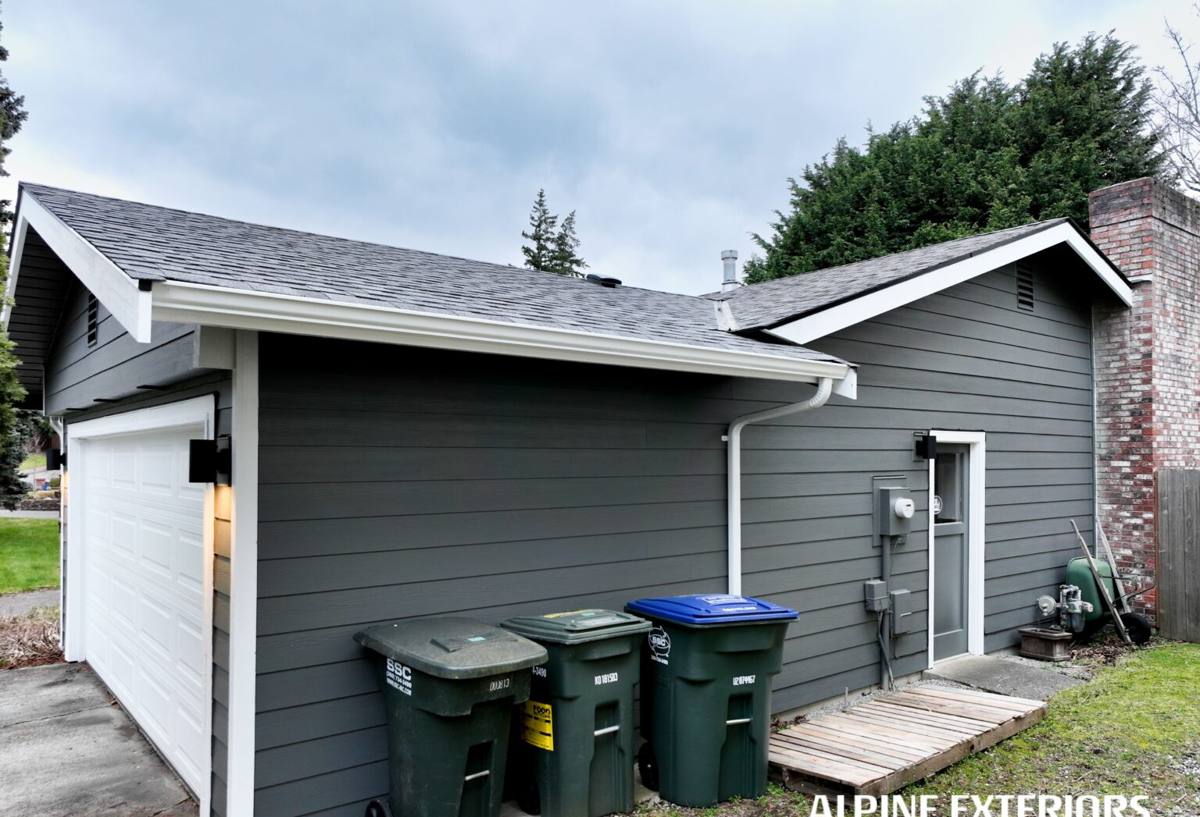
What a Correct Siding Installation Actually Involves
Siding failures in this climate are rarely about the siding panel itself giving out. They're almost always about what's happening behind it or at its edges. A correct installation addresses several layers that homeowners don't see once the job is finished but that determine whether the siding lasts 10 years or 40.
Weather-Resistive Barrier and Drainage Plane
Behind every panel there needs to be a continuous, properly lapped weather-resistive barrier that sheds any water that gets past the siding before it reaches the sheathing. In a wind-driven rain climate, water will find gaps eventually — the barrier and drainage plane are what keep that water from becoming rot.
Flashing at Every Penetration
Windows, doors, hose bibs, light fixtures, vents — every penetration through the siding is a potential entry point for water. Correct flashing, installed in the right sequence with the weather barrier (so water is always directed outward and downward, never trapped), is one of the most commonly skipped details on rushed jobs, and it's usually the first place a poorly installed system fails.
Fastening and Clearances
Fiber cement siding has specific fastener spacing, embedment, and clearance requirements — including a minimum gap above roof lines, decks, and grade — that keep the bottom edge of the material from sitting in standing water or trapped moisture. Skipping these clearances is a common shortcut that leads to swelling and edge deterioration years before it should happen.
Caulking and Paint Sealing
Cut edges of fiber cement siding need to be sealed and painted according to the manufacturer's specification. An unsealed cut edge is the single most common reason fiber cement siding fails to reach its expected lifespan — it's a small detail that separates a warrantied installation from one that voids coverage.
Why We Install Only James Hardie Fiber Cement
We don't install LP SmartSide, vinyl siding, Cemplank, Allura, or primed spruce and cedar siding. That's a deliberate standard, not an oversight, and it comes down to what we've found actually performs on Gulf Coast homes over the long run.
Vinyl siding is affordable and low-maintenance in mild climates, but it's a petroleum-based product that softens, warps, and can crack under sustained high heat and direct sun — exactly the conditions a west-facing Gulfport wall sees for most of the year. It's also not the material we'd choose to stand between a home and hurricane-force wind-driven debris.
Engineered wood products like LP SmartSide use a treated wood-strand substrate that resists moisture reasonably well when installed and maintained correctly, but wood-based siding is still an organic material — it depends on an unbroken factory finish and diligent caulking to keep moisture out over decades near saltwater. Primed spruce and cedar go further in the wrong direction: primer is not a finish coat, and raw wood siding in a humid coastal climate requires far more upkeep than most homeowners want to sign up for.
Other fiber cement brands, including Cemplank and Allura, are legitimate cement-composite products, and we don't claim they're unsafe or defective. Our decision comes down to product line depth, factory finish quality, and warranty structure — James Hardie's ColorPlus finish and HZ5 product engineering are built specifically around markets like ours, and their transferable limited warranty backs that up. Standardizing on one manufacturer also means our crews install it the same correct way every time, rather than switching techniques between products.
James Hardie's HZ5 Line — Engineered for This Exact Exposure
James Hardie makes different formulations of fiber cement for different climate zones. Homes in Florida, including Gulfport, fall into what Hardie designates HZ5 — a formulation engineered specifically for high humidity, heavy rainfall, and hot, sun-intensive climates. It's not the same product sold in drier northern markets under a different HZ designation.
| Feature | Why It Matters in Gulfport |
|---|---|
| Fiber cement core | Non-combustible, doesn't attract termites, holds its shape in heat |
| ColorPlus factory finish | Baked-on finish resists fading and salt-air degradation better than field-applied paint |
| HZ5 formulation | Engineered moisture resistance for Florida's humidity and rainfall |
| Rigid panel structure | Holds up better against wind-driven debris than vinyl |
| Transferable limited warranty | Coverage that follows the home if it's sold |
The ColorPlus finish in particular matters more near the bay than most homeowners expect. Salt air breaks down ordinary paint faster than inland exposure does, which means field-painted siding often needs repainting on a shorter cycle near the water. A factory-applied, baked-on finish is more consistent and holds its color longer under that kind of exposure.
Signs a Gulfport Home May Need New Siding
Not every siding problem is obvious from the street. Some of the most damaging issues start quietly behind the panels. Here's what we look for, and what homeowners can check themselves before calling anyone out.
- Soft or spongy spots when you press on the siding, especially near the bottom courses
- Visible cracking, buckling, or warping, particularly on walls that get the most direct afternoon sun
- Peeling or bubbling paint that keeps coming back in the same spots year after year
- Gaps or separation at seams, corners, and around window and door trim
- Rust streaking from fasteners, which often signals the wrong fastener type was used originally
- A musty smell or visible staining on interior walls that share an exterior with suspect siding
- Siding that flexes or feels hollow, which can indicate the substrate behind it has deteriorated
If a home is showing more than one of these signs, it's usually more cost-effective to plan a full siding replacement than to keep patching individual spots, since the underlying moisture barrier and flashing typically need to be addressed anyway.
How Our Installation Process Works
- On-site assessment. We walk the exterior, check for moisture damage behind existing siding where accessible, and evaluate trim, window flashing, and roofline clearances.
- Product and color selection. We go over Hardie's HZ5 product lines and ColorPlus color options based on the home's style and the homeowner's preferences.
- Tear-off and substrate inspection. Old siding comes off, and we inspect the sheathing underneath for rot or damage before anything new goes up — this is often where hidden problems from a prior installation surface.
- Weather barrier and flashing. A continuous, correctly lapped weather-resistive barrier goes on first, with flashing installed at every window, door, and penetration in the proper sequence.
- Siding installation to manufacturer spec. Panels are installed with correct fastener spacing, embedment, and clearances above rooflines, decks, and grade, per James Hardie's published installation requirements.
- Sealing and finish work. Cut edges are sealed and painted, seams and penetrations are caulked, and trim is finished out.
- Final walkthrough. We review the completed work with the homeowner before considering the job done.
What Affects the Cost of a Gulfport Siding Job
| Cost Factor | Why It Moves the Price |
|---|---|
| Home size and wall square footage | More surface area means more material and labor |
| Existing siding removal | Tear-off and disposal add time versus installing over prepped bare sheathing |
| Substrate repair | Rotted sheathing found during tear-off needs to be replaced before new siding goes on |
| Trim and architectural detail | Homes with more windows, corners, and trim work take longer to flash and finish correctly |
| Siding profile chosen | Lap siding, panel siding, and shingle-style Hardie products differ in material and labor cost |
| Story height and access | Second-story and hard-to-access walls require more setup and time |
We give homeowners a firm, itemized estimate after the on-site assessment rather than a rough phone quote — siding pricing depends too much on what's actually happening behind the existing walls to estimate accurately without seeing it.
Why It Matters That Our Crew Already Works Gulfport
A siding crew that regularly works Gulfport and the surrounding St. Petersburg neighborhoods has already seen how homes in this specific exposure age — which walls take the worst sun, how quickly salt air corrodes the wrong fastener type, and where older installations in this area tend to fail first. That local pattern recognition shortens the assessment phase and helps catch problems a crew unfamiliar with bayside Pinellas County conditions might miss.
It also means we're accountable locally. We're not a traveling crew moving through the area once and leaving — we're installing a product with a long warranty on homes in a community we continue to work in, which is part of why we stand behind the installation, not just the material.
Get a Free Estimate for Your Gulfport Home
If your siding is showing wear, you're planning ahead of storm season, or you're simply ready to move to a material built for this exposure, we're happy to take a look and walk you through what James Hardie siding would involve for your specific home. The estimate is free, there's no pressure, and you'll get a straight answer about what your home actually needs — just fill out the form below to get started.