 St. Petersburg Roofing
 Window Installation Built for Pinellas Point's Exposure
Pinellas Point sits on a stretch of St. Petersburg that's nearly surrounded by water, which means the homes here take a harder beating from the weather than a lot of inland Pinellas County properties. Salt-laden air, direct sun for most of the year, wind-driven rain off the bay, and the real possibility of hurricane-force winds all work against a window's seals, frame, and hardware at the same time. A window that would hold up fine for twenty years in a drier, more sheltered part of the state can start failing here in half that time if it wasn't installed with this specific exposure in mind.
That's the core of what we do differently on a Pinellas Point job: we're not just setting a window into an opening and caulking around the edges. We're building a water-management and wind-resistance system around each opening, because that's what the local climate actually demands.
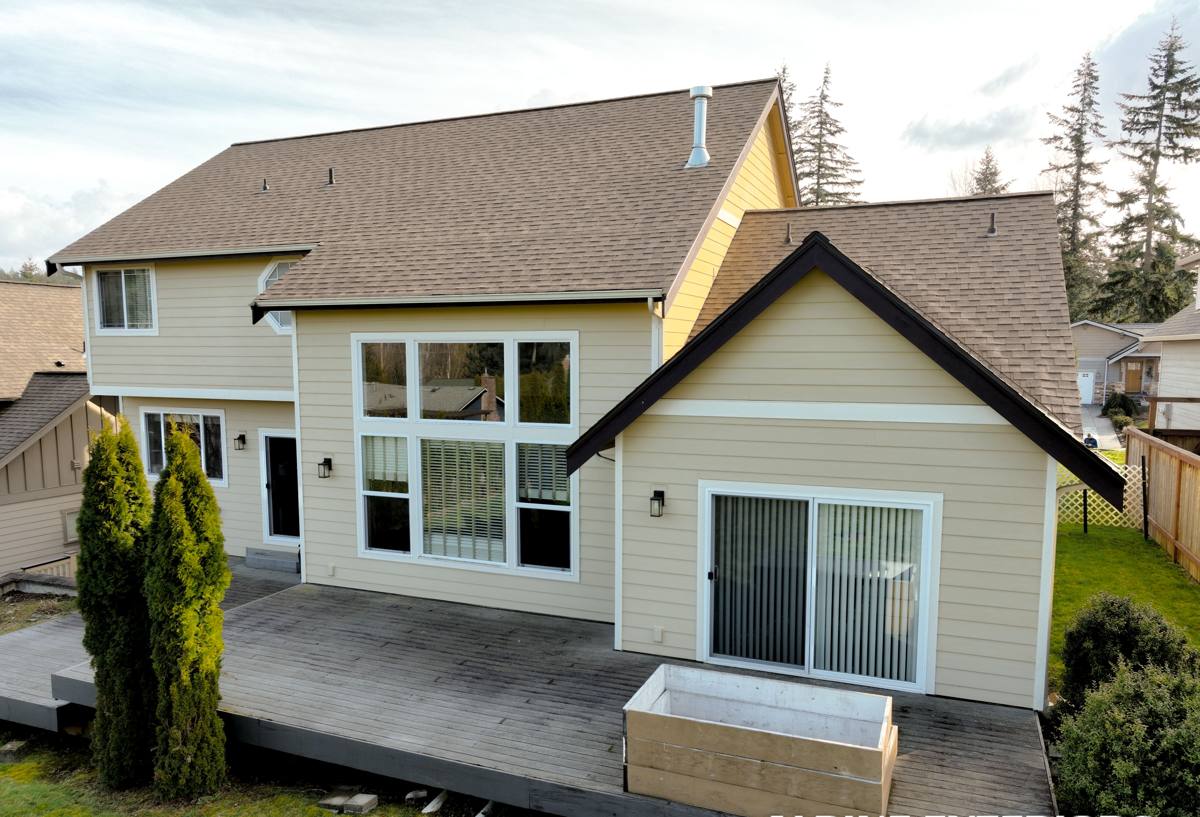
What This Part of St. Petersburg's Coastline Does to a Window
Salt Air and Corrosion
Airborne salt from the surrounding water settles on everything, including window frames, screws, and hardware. Over years, it accelerates corrosion on lower-grade fasteners and metal components, pits aluminum finishes, and breaks down certain sealants faster than the manufacturer's stated lifespan would suggest inland. Corrosion-resistant hardware and the right frame material aren't cosmetic upgrades here — they're the difference between a window that operates smoothly in year twelve and one that's already sticking or leaking.
UV and Seal/Frame Degradation
Florida sun is intense and it doesn't really take a season off. UV exposure breaks down cheaper vinyl and rubber glazing seals, causes discoloration, and can make certain frame materials brittle over time. Low-E glass coatings and UV-stable frame materials matter more here than they would in a milder climate, because the degradation clock is running faster.
Wind-Driven Rain and Water Intrusion
Rain in this area rarely falls straight down during a real storm — it comes in sideways, driven by wind, and finds any gap in flashing or sealant. Most window "failures" homeowners notice as staining, soft drywall, or mold around an opening aren't glass failures at all; they're flashing and sealant failures that let wind-driven rain behind the window frame. This is the single most common issue we find when we're called out to fix a previous installation.
Hurricane-Force Wind Loads
Even homes that never take a direct hurricane hit still experience repeated high-wind events over the years. Wind load isn't just about the glass surviving a gust — it's about the whole assembly (frame, anchors, and the wall opening itself) transferring that load safely into the structure without the window twisting, bowing, or pulling away from its anchors.
Florida Building Code and What It Means for Your Windows
Pinellas County falls within Florida's wind-borne debris region under the Florida Building Code, which means replacement windows on most homes here need to be either impact-rated or paired with code-compliant protection, and they need documented Florida Product Approval for the wind speed and pressure zone your specific property falls into. That approval isn't a formality — it's tied to your home's exposure category, height, and location, and it's what a building inspector checks before signing off on the permit.
A permit and inspection aren't optional extras we tack on for liability. They're the mechanism that confirms the window installed on your house is actually rated for what this area can throw at it, and they're what your insurance carrier will want to see documented if you ever file a wind or water damage claim.
What We Pull a Permit For
- Any full window replacement changing the unit, not just re-glazing
- Any change to the size or structural opening
- Verification of correct wind-load rating for your home's specific exposure
- Final inspection sign-off, which matters for resale and insurance documentation
What a Correct Window Installation Actually Involves
Removal and Opening Prep
Old windows come out carefully so we can inspect the rough opening underneath — the framing, sill, and sheathing that are normally hidden. This is where we find water damage or rot from years of poor flashing that the old window was masking. Any compromised framing gets addressed before a new window ever goes in; setting a new window into a bad opening just guarantees the same failure sooner.
Flashing and Waterproofing
This is the step that determines whether a window leaks in five years, not the caulk bead you can see from outside. Proper flashing integrates with the building's existing weather-resistive barrier so water is directed out and down, never trapped behind the frame. In a wind-driven-rain climate like this one, flashing done wrong is the number one cause of the water intrusion problems we get called to fix.
Fastening and Shimming for Wind Load
Every window has a specified fastening schedule — the number, spacing, and type of anchors required to meet its wind rating. Skipping fasteners, using the wrong length, or shimming incorrectly can leave a window structurally under-attached even if it looks fine from the street. This is also exactly what a building inspector checks and what separates a code-compliant install from one that just happens to pass a visual glance.
Sealants and Finish
The final sealant bead matters, but only after everything behind it is done right. We use sealants rated for exterior, UV, and coastal exposure, and we finish trim and interior work so the opening is fully weathertight, not just glued shut.
Choosing the Right Window for a Pinellas Point Home
There's no single "best" window for every house — the right choice depends on your home's exposure, your budget, and how much wind protection you want built into the glass itself versus handled with separate shutters. Here's how the main options compare for a coastal St. Petersburg property:
| Option | Wind Protection | Maintenance | Trade-Offs |
|---|---|---|---|
| Impact-rated glass, vinyl frame | Built into the window; no separate action needed before a storm | Low; vinyl resists salt corrosion well | Higher upfront cost than standard glass; frame color/style options can be more limited |
| Impact-rated glass, aluminum frame | Built into the window | Moderate; needs corrosion-resistant hardware and occasional finish upkeep near salt air | Strong and slim sightlines, but frame finish quality varies a lot by manufacturer |
| Standard (non-impact) glass with shutters | Protection only when shutters are deployed | Higher; shutters are a separate system to maintain and operate every storm | Lower window cost, but relies on someone being present to close shutters in time |
| Impact-rated fiberglass frame | Built into the window | Low; naturally resists salt and UV degradation | Premium pricing; fewer stock sizes than vinyl or aluminum |
For most Pinellas Point homeowners, we recommend impact-rated glass over relying solely on shutters, simply because it's protection that doesn't depend on anyone being home or remembering to act before a storm arrives. That said, plenty of well-maintained shutter systems on lower-exposure sides of a house are a reasonable, lower-cost way to meet code — we'll walk you through what actually makes sense for your specific home rather than upselling the most expensive option by default.
Our Installation Process, Start to Finish
- On-site assessment — we inspect existing windows, openings, and framing condition, and measure for your home's specific wind zone requirements.
- Product selection — we walk through frame material, glass, and protection options based on your budget and exposure, not a one-size pitch.
- Permitting — we pull the required permit and confirm Florida Product Approval documentation for the units going in.
- Removal and opening inspection — old units come out, framing gets checked and repaired if needed.
- Flashing and installation — new units go in with proper flashing integration and manufacturer-specified fastening.
- Sealing and finish work — exterior sealant and interior trim are completed to a weathertight standard.
- Final inspection — the permitted work is signed off by the local building inspector.
Signs Your Windows Are Due for Replacement
- Visible fogging or a cloudy haze between panes (a sign the seal has failed)
- Frames that feel soft, chalky, or show cracking, especially on the sun-facing side
- Staining, bubbling paint, or soft drywall around the interior frame after rain
- Windows that are difficult to open, close, or lock, or no longer sit flush
- Noticeably higher cooling bills without another explanation
- Visible corrosion on hinges, latches, or screws
- Whistling or air movement around the frame during windy weather
What Affects the Cost of Window Installation
Costs for a project like this vary quite a bit based on a handful of factors, and any contractor who quotes a firm number without seeing your home and openings is guessing. In general, the biggest cost drivers are:
- Number and size of openings — larger or non-standard sizes cost more per unit
- Impact rating requirements — impact glass and reinforced frames cost more than standard, non-rated units
- Frame material — vinyl is typically the most budget-friendly, fiberglass and higher-end aluminum run higher
- Condition of the existing opening — hidden rot or framing damage found during removal adds repair work
- Permit and inspection requirements — a factor in every legitimate quote, not an optional add-on
A full-home replacement is a bigger investment than a few individual units, but pricing everything at once often brings a better per-window rate than doing it in scattered stages over several years. We'll break down the actual cost factors for your specific home during the estimate rather than quoting a generic number over the phone.
Why Hire a Crew That Already Works Pinellas Point
Window installation isn't the same job in every part of Pinellas County. A crew that mostly works drier, more sheltered inland neighborhoods doesn't necessarily think about salt-air hardware corrosion, wind-driven rain flashing, or the specific wind zone requirements that apply to a peninsula property the same way a crew that works this area regularly does. Local experience means we already know what the Pinellas County permitting process expects, what wind zone documentation a St. Petersburg inspector will want to see, and what actually fails first on a coastal home versus an inland one.
It also means accountability. We're not driving in from out of the region for one job and disappearing — if a flashing detail or a seal doesn't hold up the way it should, we're a local crew you can call.
If your windows in Pinellas Point are showing their age, feel drafty, or you're just planning ahead of the next storm season, we'll come take a look and give you a straight, no-pressure estimate. There's no obligation — just an honest read on what your home actually needs. The form below gets that started.