 St. Petersburg Roofing
 Why Pinellas Point Roofs Wear Out Faster Than You'd Expect
Pinellas Point sits on the southern tip of St. Petersburg, wrapped by open water on more sides than most neighborhoods in the city. That location is part of what makes it a desirable place to live, but it also means roofs here take a harder beating than roofs just a few miles inland. Salt-laden air moves off the bay and settles on shingles, flashing, and fasteners year-round, accelerating corrosion on anything metal and breaking down the granules and adhesives that keep a roof watertight. Add in the intense, nearly constant Florida UV exposure and the wind-driven rain that comes with our regular summer storms and seasonal hurricanes, and you have a climate that ages a roof faster than the manufacturer's warranty numbers usually assume.
None of that means a new roof in Pinellas Point is doomed to fail early. It means the installation has to be done with this specific exposure in mind — the right materials, the right fastening pattern, and the right attention to the small details that a rushed or inland-focused crew might skip. That's the difference between a roof that looks fine on day one and a roof that actually holds up through a decade of Pinellas County summers.
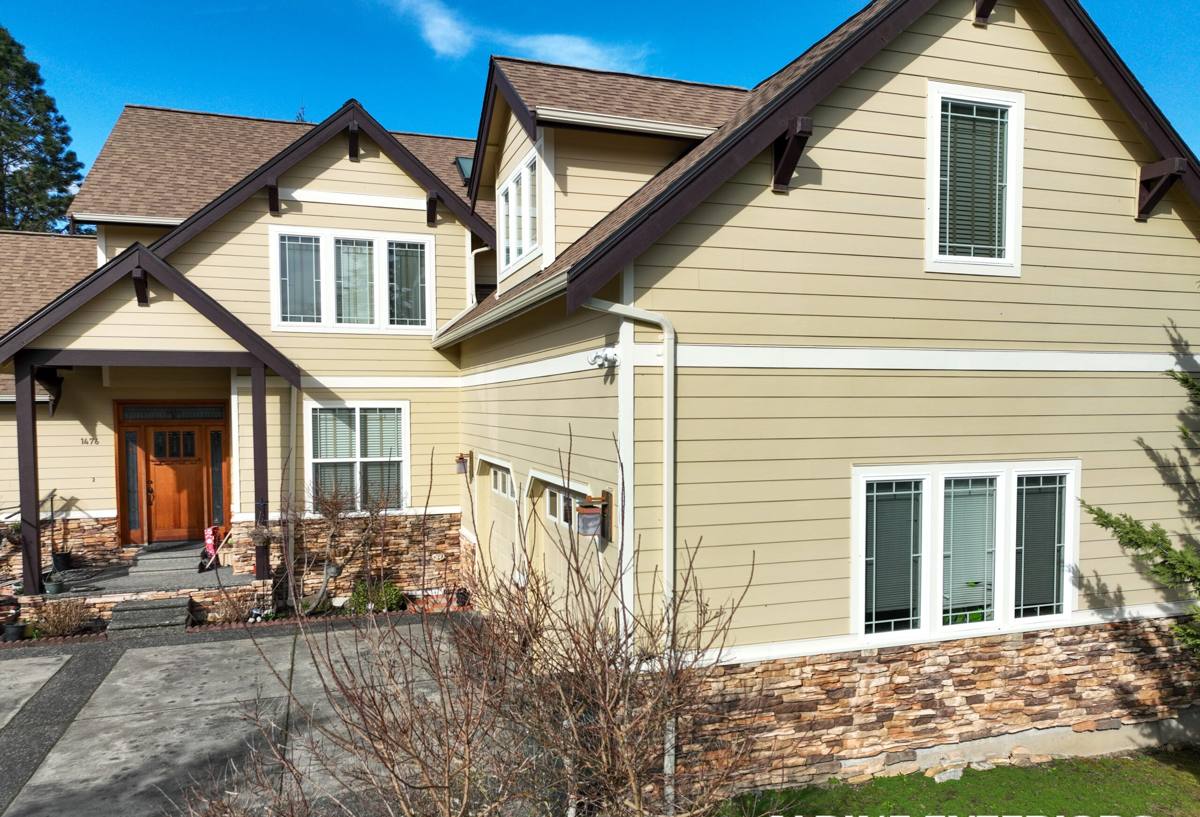
What "Correct" Actually Means for a New Roof Installation
A new roof is more than shingles nailed to plywood. Every layer underneath the visible surface does real work, and skipping or shortcutting any one of them is usually where premature leaks and wind damage start.
The Deck Comes First
Before anything new goes on, the existing roof deck (the plywood or OSB sheathing) has to be inspected. Years of small leaks, attic humidity, or old fastener holes can leave sections soft or delaminated. Any compromised decking gets replaced — installing new roofing over a weak deck just hides a problem that will resurface later, and it can void manufacturer warranties outright.
Underlayment Is Your Real Water Barrier
Shingles or panels shed most of the water, but the underlayment beneath them is what actually keeps a roof watertight during wind-driven rain — which is common here given how often storms come off the Gulf and the bay. We use synthetic or self-adhering underlayment products rated for high-wind, high-moisture climates, with extra attention at valleys, penetrations, and eaves where water tends to find a way in.
Flashing and Fastening Details
Flashing around chimneys, vents, skylights, and roof-to-wall transitions is where most leaks actually originate — not in the open field of the roof. Correct flashing means new metal, properly lapped and sealed, not just caulk smeared over old flashing to save time. Fastening pattern matters just as much: Florida's building code sets minimum nailing and fastening requirements specifically because of hurricane wind exposure, and in a coastal-adjacent area like Pinellas Point, we typically fasten to the higher end of what code allows rather than the bare minimum.
Ventilation
A hot, poorly ventilated attic shortens the life of a new roof from underneath — trapped heat and moisture stress shingles and decking alike. Balanced intake and exhaust ventilation is part of a correct installation, not an optional upgrade.
Roofing Material Options for Pinellas Point Homes
There's no single "best" roofing material for every home — it depends on your roof's slope, your budget, how long you plan to stay in the home, and how much maintenance you want to deal with. Here's an honest comparison of the main options we install in this area.
| Material | Typical Lifespan (Coastal Climate) | Wind Performance | Maintenance |
|---|---|---|---|
| Architectural asphalt shingle | 15–22 years | Good, with proper fastening and rated shingle | Low; periodic inspection |
| Standing seam metal | 30–45 years | Excellent | Low; occasional fastener/seam check |
| Concrete or clay tile | 30–50 years | Very good when properly fastened/foamed | Moderate; underlayment often fails before the tile does |
| Flat/low-slope membrane (TPO, modified bitumen) | 15–20 years | Good with proper edge detail | Moderate; seams need periodic inspection |
We don't push one product on every homeowner. For a straightforward gable roof, a quality architectural shingle rated for high wind is often the most cost-effective choice. For homes closer to the water or owners planning to stay long-term, metal's corrosion resistance and wind performance can be worth the higher upfront cost. Tile looks great in this part of Florida, but it's worth knowing that on a tile roof, the underlayment beneath the tile usually fails well before the tile itself does — so a tile re-roof is really an underlayment replacement with the existing tile reset wherever possible.
Our Installation Process, Start to Finish
- Inspection and estimate. We walk the roof, check the deck condition where accessible, and give you a written estimate with material options — no pressure, no upsell tactics.
- Material selection. We talk through the trade-offs above based on your roof's slope, your budget, and how long you're planning to stay in the home.
- Permitting. New roof installations in St. Petersburg and Pinellas County require a building permit and inspection. We handle that process rather than leaving it to the homeowner.
- Tear-off and deck inspection. Old roofing is removed down to the deck, and any damaged sheathing is identified and replaced before anything new goes down.
- Underlayment and flashing installation. The waterproofing layer goes on first, with new flashing at every penetration and transition.
- Roofing material installation. Shingles, panels, or tile are installed to manufacturer specification and Florida's high-wind fastening requirements.
- Final inspection and cleanup. The job is inspected against code, the property is cleared of debris and nails, and we walk you through what was done.
Permits, Wind Mitigation, and Insurance
Florida's building code requirements are stricter than most of the country because they're written around hurricane exposure, and a coastal-adjacent neighborhood like Pinellas Point is exactly the kind of area those code provisions are aimed at. Beyond the required permit and inspection, a new roof is also a good time to have a wind mitigation inspection done. That inspection documents things like your roof's fastening method, roof shape, and the presence of a secondary water barrier — details that can qualify you for real discounts on your homeowners insurance premium. We can point you toward what a new installation on your home will support, but the wind mitigation inspection and report itself is done by a licensed inspector separate from the roofing work.
Signs You Need a New Roof, Not a Repair
Not every roofing problem calls for full replacement, but there's a point where repeated repairs stop making financial sense. Some signs it's time to talk about a new roof instead of another patch:
- Multiple leaks in different areas of the roof, rather than one isolated spot
- Shingles that are curling, cracking, or losing significant granules across large sections
- Visible sagging anywhere on the roof deck
- Your roof is nearing or past the manufacturer's expected lifespan for our climate
- Storm damage extensive enough that insurance is recommending replacement over repair
- Rising energy bills that point to failing insulation or ventilation tied to the roof
What Drives the Cost of a New Roof
| Factor | Why It Matters |
|---|---|
| Roof size and complexity | More valleys, hips, and penetrations mean more labor and flashing work |
| Material choice | Asphalt, metal, and tile carry very different material and labor costs |
| Deck condition | Rotted or delaminated sheathing found during tear-off adds replacement cost |
| Roof pitch and access | Steep or hard-to-access roofs take longer and require more safety equipment |
| Code and permit requirements | Wind-rated fastening and inspections are non-negotiable, not optional add-ons |
We'd rather give you a real, itemized estimate after seeing your roof than a rough number that doesn't hold up once the work starts. Broadly, homeowners should expect asphalt shingle replacement to run less than metal or tile, but the honest answer for your home depends on the factors above.
Why Hiring a Crew That Already Works Pinellas Point Matters
A roofing crew that regularly works this part of St. Petersburg has already seen how salt air, sun exposure, and coastal wind loads play out on real roofs in this neighborhood over years, not just on a spec sheet. That experience shows up in small decisions — which fastener coatings actually hold up out here, where flashing tends to fail first on homes with this kind of wind and rain exposure, and how to sequence a tear-off around Florida's afternoon storm patterns so your home isn't left exposed. It also means we're familiar with the permitting process through the City of St. Petersburg and Pinellas County, so there are no surprises or delays on that end.
When you're vetting a roofing contractor for a job this size, a few things are worth checking before you sign anything:
- Current Florida roofing license and general liability/workers' comp insurance
- Willingness to pull the actual permit in their name, not leave it to you
- A written estimate that specifies materials, underlayment type, and fastening approach
- Manufacturer certification if you're choosing a product with an extended warranty
- A physical local presence and references you can actually follow up on
If a contractor is vague about any of these, that's worth treating as a red flag rather than a minor detail.
Get a Straightforward Estimate
If your roof in Pinellas Point is showing its age or you're planning ahead of the next storm season, we're happy to take a look and give you an honest, no-pressure estimate. Use the form below to request a free evaluation — we'll walk the roof, answer your questions directly, and give you real numbers before any work is scheduled.