 St. Petersburg Roofing
 Siding Built for Old Northeast's Particular Climate Load
Old Northeast sits close enough to Tampa Bay that salt air is a daily fact of life on this side of St. Petersburg, not an occasional nuisance. Add in Pinellas County's year-round UV exposure, the wind-driven rain that comes with our summer storm pattern, and the real possibility of hurricane-force gusts during the season, and you have a combination that ages exterior siding faster here than it would in most inland markets. A siding job that would hold up fine in a drier, calmer climate can fail early in this neighborhood if it wasn't specified and installed with these conditions in mind.
That's the lens we use for every Old Northeast siding project: not "what siding looks good," but "what siding, installed which way, actually survives this specific stretch of coastline for decades."
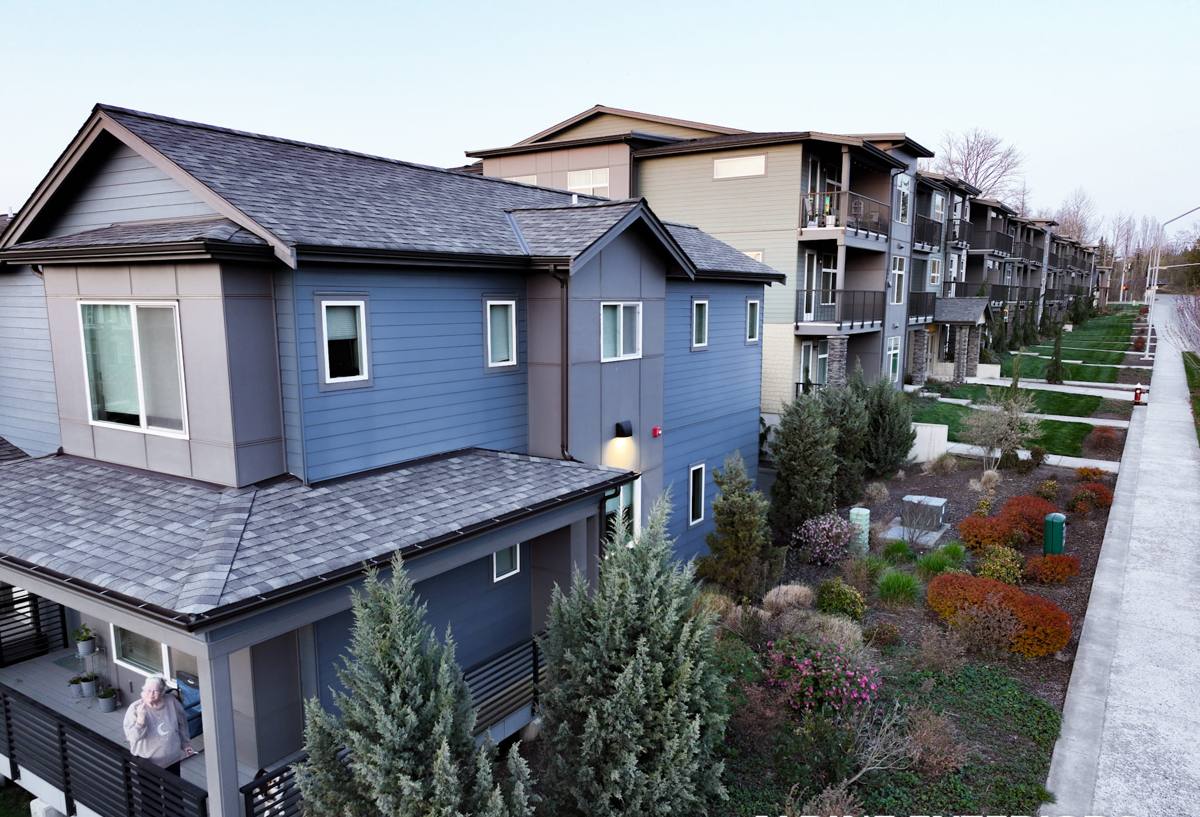
What Local Homes Actually Need From Their Siding
Moisture Management, Not Just Moisture Resistance
Humidity in St. Petersburg stays high most of the year, and homes near the bay pick up salt-laden moisture in the air even when it isn't raining. Siding that traps moisture behind it, or that swells and warps when it absorbs it, sets up a slow rot problem that shows up as soft trim, bubbling paint, or a musty smell in wall cavities long before anyone notices a visible siding defect. The material itself needs to be dimensionally stable when wet, and the installation needs a working drainage plane behind it so any moisture that does get past the surface has somewhere to go.
UV Stability
Florida sun is relentless on painted surfaces. Field-applied paint on wood or fiber cement siding chalks, fades, and needs recoating on a shorter cycle here than in most of the country. A factory-cured finish that's engineered to resist UV breakdown holds its color and its protective integrity far longer than paint applied on-site after installation.
Wind Resistance
Old Northeast isn't a barrier island, but it's still inside Pinellas County's hurricane exposure zone, and siding fastening patterns matter. Panels and lap siding that are under-fastened, or fastened with the wrong nail type and spacing, are among the first things to peel off a house in sustained high wind — and once siding starts coming off, the wall assembly behind it is exposed to wind-driven rain.
Salt Air Corrosion
Metal fasteners, flashing, and trim accessories corrode faster this close to the bay. Everything used in the assembly — not just the siding face — needs to be rated for a coastal environment.
Why We Standardized on James Hardie Fiber Cement
We install James Hardie fiber cement siding exclusively. We don't install vinyl, LP SmartSide, primed wood, cedar, or other fiber cement brands, and that's a deliberate professional standard, not a sales preference.
Vinyl softens and can distort in sustained high heat, and in a wind event it's more prone to cracking and blowing off than fiber cement. Engineered wood products like LP SmartSide depend on their factory treatment and sealed edges staying intact — any cut edge, fastener hole, or impact point that isn't properly sealed becomes a moisture entry point, and that's a hard standard to guarantee will hold up over 20+ years in a humid coastal climate. Untreated or primed wood and cedar require the most ongoing maintenance of any option — regular recoating, caulking, and inspection — which is a real ongoing cost even when the material itself performs well.
James Hardie's fiber cement is non-combustible, doesn't support rot, holds its shape in heat and humidity, and its ColorPlus factory finish is baked on and warranted separately from the substrate — so it resists the fade and chalking that field-applied paint suffers under Florida sun. Hardie also engineers specific product lines (its HZ5 and HZ10 formulations) for humid, high-moisture climate zones, which is exactly the environment Pinellas County sits in. When it's installed to spec, it's the product we're comfortable standing behind on a home a few blocks from Tampa Bay.
What a Correct Installation Actually Involves
Fiber cement siding is only as good as its installation. Most of the failures we get called out to inspect on other contractors' work trace back to installation shortcuts, not the product itself.
- A weather-resistant barrier installed correctly behind the siding, lapped and sealed to shed water downward and outward
- Proper flashing at every window, door, and roofline intersection so water is directed away from the wall assembly, not into it
- Correct fastener type, length, and spacing per the manufacturer's installation instructions for our wind exposure — this is not a place to cut corners
- Minimum clearance gaps at the bottom of the siding and at grade, decks, and roof lines so the material never sits in standing water
- Properly sealed and caulked joints, corners, and penetrations using products compatible with fiber cement
- Panels and boards cut and fastened without face-nailing errors that void the manufacturer warranty
Any one of these done wrong can undercut everything the material itself is engineered to do. This is why we treat installation method as seriously as product selection.
Our Process for Old Northeast Siding Projects
1. On-Site Assessment
We walk the home, check the condition of the existing siding and the sheathing behind it, and look specifically for moisture damage, soft spots, and prior repair patches — common on older homes in this part of St. Petersburg.
2. Tear-Off and Substrate Inspection
We remove the existing siding and inspect the wall sheathing and framing underneath before anything new goes up. Any rot or compromised sheathing gets addressed and documented before we close the wall back up — this step gets skipped by shortcut crews and it's where the biggest hidden problems live.
3. Weather Barrier and Flashing
We install a proper weather-resistant barrier and correct flashing details at every penetration and transition point, matched to how wind-driven rain actually behaves on this style and orientation of home.
4. Hardie Installation to Manufacturer Spec
Fastening pattern, gaps, joint treatment, and finish detailing are all done to James Hardie's published installation requirements — which is also what keeps the manufacturer warranty intact.
5. Final Walkthrough
We walk the finished job with the homeowner, review the warranty paperwork, and register the installation.
Why the Contractor Behind the Ladder Matters as Much as the Product
Old Northeast homeowners are usually comparing quotes on siding installation, and it's easy to assume that if two bids both say "James Hardie," the outcome will be similar. It won't be. A crew that regularly works this part of St. Petersburg already understands the wind exposure, the salt air corrosion risk, and the moisture behavior of older homes in this pocket of Pinellas County — and builds the installation around that, rather than applying a generic install method and hoping it holds. Local experience also means fewer surprises with permitting and inspection timelines, since the requirements aren't being learned for the first time on your project.
Comparing Siding Options for a Coastal St. Petersburg Home
| Factor | James Hardie Fiber Cement | Vinyl | Untreated Wood / Cedar |
|---|---|---|---|
| Wind performance | Rated and fastened for high-wind zones when installed to spec | More prone to cracking or blow-off in sustained high wind | Depends heavily on fastening; prone to warping over time |
| Moisture / rot resistance | Engineered to resist moisture damage and rot | Doesn't rot, but can trap moisture behind panels | Vulnerable to rot without diligent maintenance |
| UV / color stability | Factory-cured ColorPlus finish resists fading | Can fade and become brittle in intense UV over time | Field paint fades and chalks faster in Florida sun |
| Maintenance | Low — occasional cleaning and caulk checks | Low, but repairs to cracked panels are visible | High — regular recoating and sealing required |
| Salt air durability | Strong when paired with corrosion-resistant fasteners | Generally stable but seams can degrade | Requires closer, more frequent inspection near the bay |
Cost Factors Homeowners Should Understand
Every Old Northeast home is different, so we don't quote a flat number without seeing the house, but a few factors consistently move the price on a siding installation:
- How much of the existing sheathing needs repair or replacement once it's exposed
- The size and complexity of the home — corners, dormers, and trim detail add labor time
- Whether you choose factory-finished ColorPlus panels or field-painted boards
- Access constraints on the lot, including setbacks and mature landscaping common in older neighborhoods
- Whether flashing, house wrap, or trim components need full replacement versus reuse
Questions to Ask Before You Hire Anyone for This Job
- Are you a certified or experienced James Hardie installer, and can you explain their fastening requirements without looking it up?
- Will you inspect and document the sheathing condition before installing new siding over it?
- What weather-resistant barrier and flashing details will you use at windows, doors, and rooflines?
- Is the manufacturer warranty transferable, and will the installation be registered?
- Do you have experience with homes in this specific part of St. Petersburg and its wind exposure?
If your Old Northeast home needs new siding or you're evaluating whether an existing installation was done correctly, we're happy to take a look. Fill out the form below for a free, no-pressure estimate — there's no obligation, just a straight answer about what your home actually needs.