 St. Petersburg Roofing
 Building a Deck That Actually Belongs in Old Northeast
Old Northeast is one of the older, more established neighborhoods in St. Petersburg, and the homes here carry a lot of character — mature landscaping, older lot layouts, and houses that have been added onto and adjusted over decades. A deck in this part of town has to do two things at once: hold up structurally to what Pinellas County weather throws at it, and look like it was actually designed for the house it's attached to, not bolted on as an afterthought. We build decks in this neighborhood on a regular basis, and the lessons that matter here are climate lessons more than style lessons.
St. Petersburg sits on a peninsula, which means every outdoor structure gets three things in heavy doses: salt-laden air moving in off the water, intense UV exposure nearly year-round, and the risk of hurricane-force wind loading during storm season. None of that is optional to plan for. A deck built the way it might be built in a drier, inland climate will show fastener corrosion, board cupping, and connection fatigue years before it should here.
Salt Air and Metal Fasteners
Salt air doesn't need to be right on the beach to cause corrosion — it travels well inland across a peninsula city like St. Petersburg, and Old Northeast is close enough to the water that ordinary galvanized hardware can start rusting at the head within a few seasons. Once a fastener starts corroding, it weakens the connection long before the wood or composite around it shows any obvious damage. That's the part homeowners don't see until a board starts to lift.
Sun, Rain, and Wood Movement
Florida sun is intense almost every month of the year, and it doesn't just fade decking — it dries the surface fibers of wood aggressively while moisture from wind-driven rain and humidity is still working into the board from underneath and the end grain. That push-pull is what causes cupping, splitting, and checking on decks that weren't detailed or maintained correctly from the start.
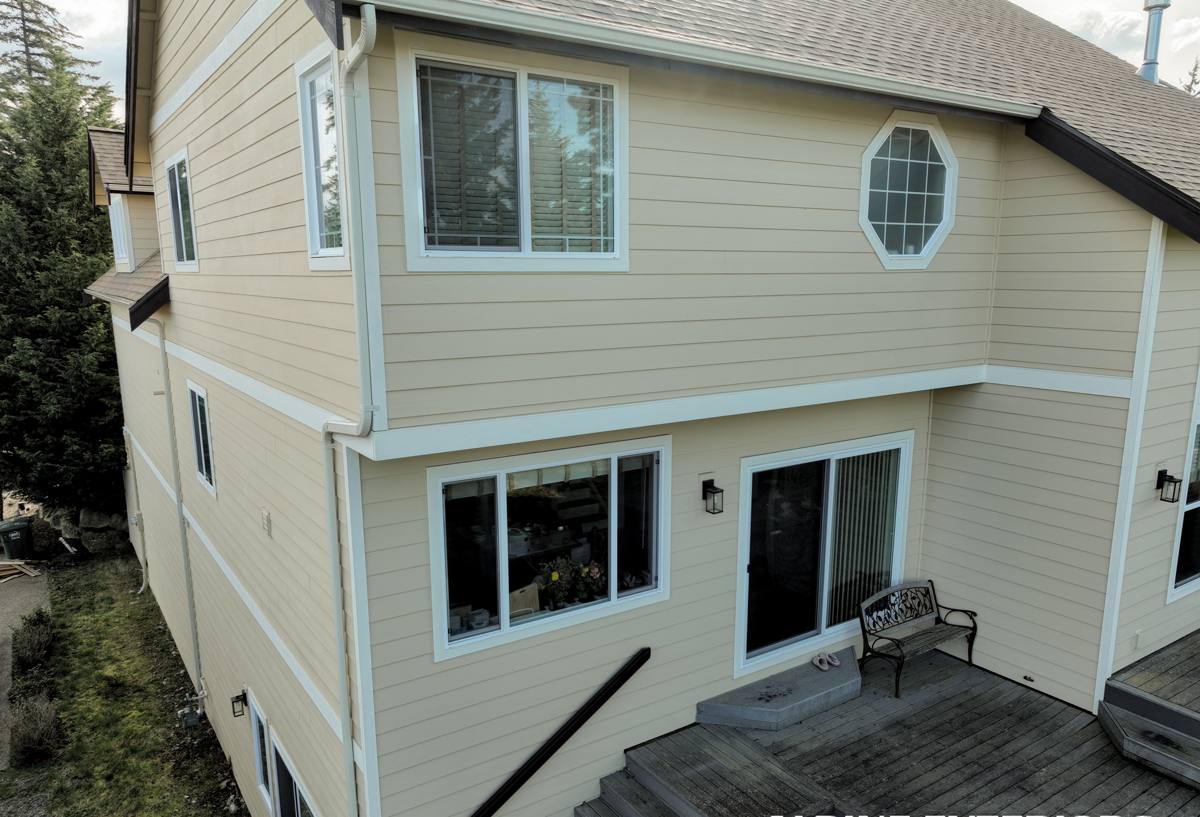
Choosing the Right Decking Material for This Neighborhood
There's no single "correct" decking material — there's a correct material for your budget, your maintenance appetite, and how much direct sun and rain exposure your specific spot on the lot gets. We walk every homeowner through the real trade-offs rather than pushing one product.
| Material | How It Handles This Climate | Maintenance | General Cost Position |
|---|---|---|---|
| Pressure-treated wood | Affordable, but needs consistent sealing to resist UV drying and moisture cycling | Highest — annual inspection and re-sealing | Lowest upfront |
| Tropical hardwoods (e.g., ipe-type species) | Naturally dense and rot-resistant, holds up well to sun and rain if properly fastened | Moderate — periodic oiling to maintain color | Higher upfront |
| Capped composite | Strong UV and moisture resistance, doesn't absorb salt-laden moisture the way wood fibers do | Low — cleaning only, no sealing | Mid to higher upfront |
| PVC decking | Fully synthetic, very stable in heat and humidity swings, no wood fiber to rot | Lowest | Higher upfront |
For a lot of Old Northeast homes, the deciding factor isn't just the decking surface — it's how much of the deck sits in full sun versus shade from mature trees, since shaded composite and wood behave differently than the same materials in open sun.
Structural Considerations: Wind, Code, and Older Lots
Florida Building Code and Wind Loading
Pinellas County enforces the Florida Building Code's wind-load provisions, and St. Petersburg's permitting process checks deck plans against them — footing depth, post spacing, ledger attachment, and railing strength all have to meet a standard that assumes this area can see hurricane-force wind events. A deck that would pass inspection in a lot of other states won't automatically pass here, and it shouldn't — those requirements exist because of storms this region actually experiences.
Working With Established, Older Properties
A lot of homes in this neighborhood were built well before current deck-attachment standards existed, which means the ledger connection to the house — the single most important structural joint on most decks — often has to be engineered around an older wall assembly rather than a modern one. We treat that ledger connection as the point that gets the most scrutiny on any Old Northeast project, because it's also the connection most exposed to wind-driven rain intrusion if it's flashed incorrectly.
What a Correctly Built Deck Involves Here
"Correct" in this climate means more than a level surface and square corners. The details that don't show up in a finished photo are the ones that determine whether the deck is still solid in ten years.
- Ledger board flashed to shed water away from the house rim joist, not just caulked
- Fasteners and structural connectors rated for coastal/corrosive exposure, not standard interior-grade galvanized
- Footings poured to the depth required for both load and Pinellas County soil conditions
- Joist hangers and hurricane ties sized to current wind-load requirements, not "close enough"
- Proper board spacing to allow airflow and drainage under the decking surface
- Railing posts through-bolted into structural framing, never just screwed to fascia
- A permit pulled and inspected — not skipped to save time
Skipping any one of these doesn't usually cause an immediate problem. It shows up as a soft spot, a rust streak, or a wobbly rail two or three years down the road, which is exactly the kind of failure that's expensive to trace back and fix once the deck is finished and landscaped around.
Our Process for Old Northeast Deck Projects
1. On-Site Assessment
We look at the actual attachment point on your house, the grade and drainage of the yard, sun exposure through the day, and any tree cover — all of which affect material choice and structural design more than most homeowners expect.
2. Design and Material Selection
We talk through decking material, railing style, and layout with the trade-offs laid out plainly — cost, maintenance, and how each option actually performs in coastal Pinellas County conditions, not a generic sales pitch.
3. Permitting
We handle the permit submission through the City of St. Petersburg and build to the plan that gets approved. This isn't a step we shortcut, and it isn't optional for structural decks in this jurisdiction.
4. Construction
Footings, framing, decking, and railing get built in that order with inspections at the appropriate stages, using fasteners and connectors specified for this climate from the start rather than swapped in only where visible.
5. Final Walkthrough
We go over the finished deck with you, including what maintenance it actually needs going forward — which varies a lot depending on the material you chose.
Maintaining a Deck in Salt Air and Year-Round UV
Even the right materials and correct installation still need some ongoing attention in this climate. What that attention looks like depends on the decking you chose, but a few habits apply across the board.
- Rinse the deck surface periodically to clear salt residue, pollen, and debris buildup between boards
- Check fastener heads and connectors annually for early rust staining, especially near the ledger and stair stringers
- Reseal wood decking on the schedule the product actually needs in this UV exposure — not just when it looks faded
- Keep gutters and downspouts near the deck clear so runoff isn't dumping extra water onto framing or footings
- Trim back vegetation that's holding moisture against the deck surface or structure
Why a Local Crew Matters for This Neighborhood
A crew that works in Old Northeast regularly already knows how St. Petersburg's permitting office reviews deck plans, what kind of framing conditions show up on the area's older homes, and which material and fastener choices hold up versus which ones look fine for a season and then start failing. That's not something a crew coming from outside the area picks up on the first job — and on a structure that's outdoors year-round in Pinellas County's climate, those details are the difference between a deck that needs attention in year three and one that's still solid well past year ten.
It also means someone who can be back out to your property quickly if a question comes up after the build, rather than a company with no ongoing presence in the area.
Ready to Talk Through Your Deck Project?
If you're planning a new deck or replacing one that's showing its age in Old Northeast, we're happy to come take a look, walk the site with you, and give you a straightforward estimate — no pressure, no obligation. Just use the form below to get started.