 St. Petersburg Roofing
 Custom Windows for Historic Old Southeast Homes
Old Southeast is one of St. Petersburg's older residential neighborhoods, with a housing stock that spans early-1900s bungalows through mid-century construction. Homes like these were built before modern energy codes, hurricane glazing standards, or synthetic window materials existed. That's part of what gives the neighborhood its character — but it also means most of these houses are still working with windows that were never designed for the coastal Florida climate they've had to survive for decades.
When a window job goes wrong in a historic neighborhood, it usually isn't because the glass failed. It's because the wrong window went into the wrong opening, or the installer treated a 1920s wood-frame rough opening the same way they'd treat a 2015 stucco box. Custom windows exist for exactly this situation: openings that are out of square, non-standard sizes, or original trim and casing that homeowners want to keep. Getting it right takes measuring and installation methods suited to older construction, not a one-size approach borrowed from new-build subdivisions.
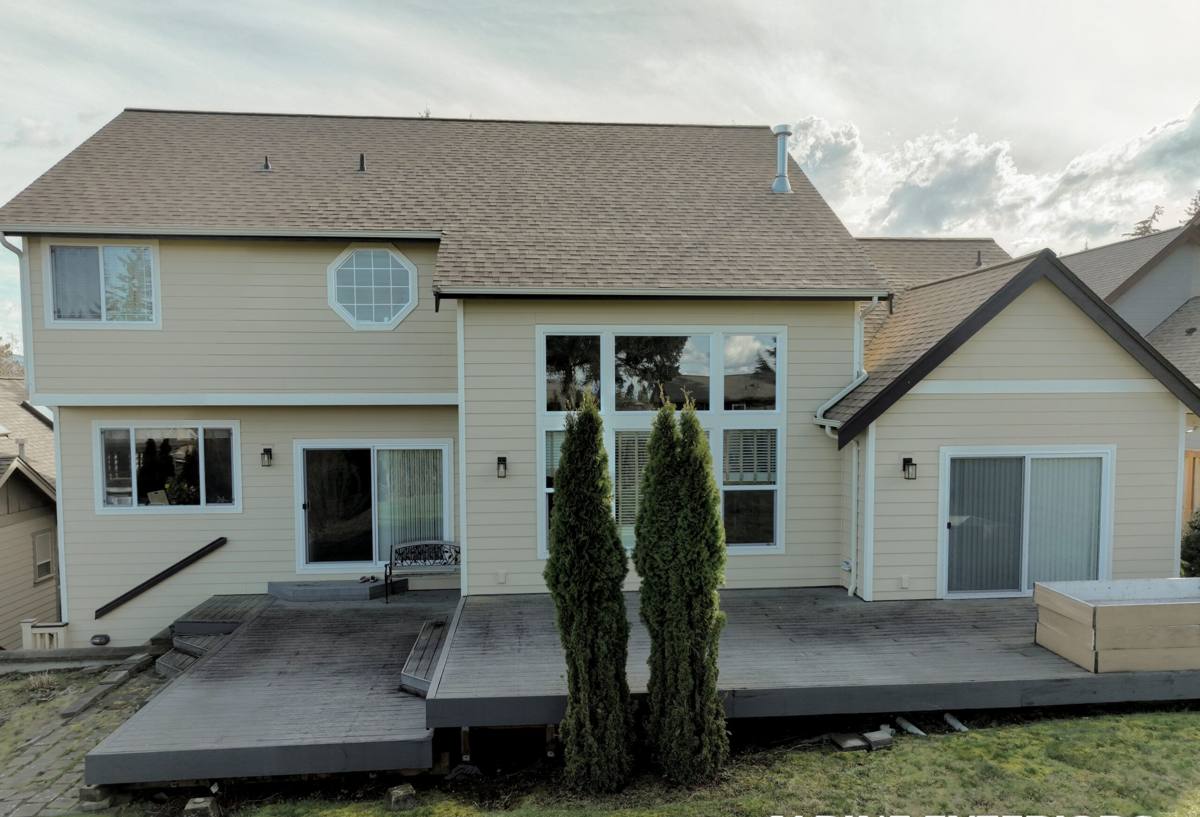
What St. Petersburg's Climate Does to Older Windows
Pinellas County sits on a peninsula, and that geography shapes everything about how a window ages here. Four things do most of the damage over time:
- Hurricane-force winds — even storms that don't make direct landfall can push sustained gusts strong enough to flex glass and stress frames that have loosened with age.
- Wind-driven rain — Florida storms rarely fall straight down. Rain gets forced sideways and upward into gaps around old sashes and under deteriorated glazing putty, which is how slow leaks start inside wall cavities.
- Intense, year-round UV exposure — sun in this climate doesn't take a season off. UV breaks down old glazing compounds, dries out wood putty, and fades and warps vinyl and painted wood trim faster than in most parts of the country.
- Salt air — St. Petersburg's proximity to Tampa Bay and the Gulf means airborne salt settles on and corrodes exposed metal hardware, aluminum frames, and fasteners, especially on homes closer to the water.
Original single-pane wood windows in Old Southeast were often solid when built, but a century of this combination — sun, salt, wind, and rain — is more than most original glazing and hardware were designed to take without ongoing maintenance. That doesn't mean every old window needs to go; some are worth restoring. It does mean any replacement or repair decision should be made with this specific climate in mind, not a generic checklist.
The Historic Neighborhood Factor
Matching the Home, Not Just Filling the Hole
In a neighborhood built up mostly before mid-century, window openings and proportions carry a lot of the home's visual identity — sightlines, muntin patterns, trim depth, and how the sash sits in the wall. Swapping in an off-the-shelf replacement window sized to the rough opening, without regard for sash profile or trim reveal, is the single most common way a historic home ends up looking wrong after a window job, even when the work itself is technically sound.
Custom windows let us match the original sightlines and proportions while upgrading everything behind them — glass, seals, frame material, and hardware. That's the point of "custom" here: not a fancier product, but the correct product for a home that wasn't built to standard modern dimensions.
Historic District Considerations
Some St. Petersburg neighborhoods carry local historic district designation, which can bring design review requirements for exterior changes, including window replacement — things like preserving visible muntin patterns or matching frame material on street-facing elevations. If your property falls under any such designation or deed restriction, that review process should happen before ordering windows, not after. We're glad to talk through what we know from other jobs in the area, but any homeowner in this situation should confirm current requirements with the City of St. Petersburg before work begins.
What a Correct Custom Window Installation Involves
A window is only as good as the install around it. For older homes in this climate, that means paying attention to details that don't show up in a product brochure:
Before the New Window Goes In
- Precise measurement of each opening individually — older homes rarely have two openings that are exactly the same size, even on the same wall.
- Inspection of the surrounding framing, sill, and sheathing for rot or moisture damage before anything new goes in — covering up a soft sill with a new window guarantees a repeat failure.
- A plan for the trim and casing: restore and reuse original wood trim where it's sound, or match the profile where it has to be replaced.
During Installation
- Proper flashing integration with the existing wall assembly, so wind-driven rain has a designed path out rather than a path in.
- Correct shimming and fastening so the frame stays square and doesn't rack under wind load.
- Sealant and glazing appropriate for direct coastal sun exposure, not a generic caulk that will chalk and crack within a couple of Florida summers.
Glass and Hardware Choices
Impact-rated glass is worth serious consideration on any home in Pinellas County, historic or not, given the region's exposure to hurricane-force winds and wind-borne debris. On older homes, impact glass can typically be built into a custom sash profile that still matches the home's original look, which is usually the concern homeowners raise first. Hardware should be corrosion-resistant — standard steel fasteners and hinges have a short life span this close to salt air.
Comparing Window Materials for This Climate and This Neighborhood
| Material | How it handles this climate | Fit for a historic home |
|---|---|---|
| Wood (restored or new custom) | Authentic look and feel; needs regular maintenance to stand up to UV and humidity | Best match for original character; higher upkeep |
| Aluminum | Strong and stable in wind; can corrode over time near salt air without proper coatings | Can be built to narrow historic sightlines; look reads more modern unless detailed carefully |
| Vinyl | Low maintenance, but can soften or discolor under year-round intense UV over the long term | Harder to match slim historic profiles; more common on non-historic replacements |
| Fiberglass/composite | Handles UV, humidity, and salt air well; dimensionally stable in temperature swings | Can be finished and profiled to approximate historic wood sightlines |
There's no single "correct" material for every home in Old Southeast — it depends on the specific window, its exposure (a west-facing wall takes far more UV than a shaded north wall), whether the opening is visible from the street, and the homeowner's tolerance for maintenance versus upfront cost. Part of our job is walking through those trade-offs honestly rather than pushing one product line for every job.
Our Process
- On-site assessment — we look at each opening individually, check framing and sill condition, and note anything relevant to historic trim or district requirements.
- Measurement and product selection — custom sizing for each window, with material and glass options discussed against your budget and the specifics of that wall's sun and wind exposure.
- Written estimate — a clear breakdown of scope, materials, and what's included, before any commitment.
- Installation — proper flashing, sealing, and fastening for coastal wind and rain exposure, with trim work matched to the home wherever it's being reused or replicated.
- Final walkthrough — checking operation, seals, and finish work with you before we consider the job done.
Cost Factors to Expect
Custom window pricing varies more than standard replacement window pricing, because every opening and every home is different. The factors that move the number most are:
- Number and size of openings, and how far each is from a standard stock size
- Glass package — standard insulated glass versus impact-rated glass
- Frame material (wood, aluminum, vinyl, or fiberglass/composite)
- Condition of the existing framing, sill, and trim — rot repair adds cost that's hard to quote sight unseen
- Whether original trim and casing are being preserved and restored or replaced and matched
Because of that variation, we don't quote custom window jobs off a phone call — an on-site look at the actual openings is what makes an estimate accurate instead of a guess.
Why Local Experience in Old Southeast Matters
A crew that's worked in older St. Petersburg neighborhoods knows what to expect before they open the wall: the typical construction methods used decades ago, the way certain trim profiles were cut, and how badly a given wall orientation has taken the sun and salt over the years. That experience shortens the surprises during a job and helps set realistic expectations up front, instead of discovering mid-installation that the framing behind a sill has been compromised for years.
It also means fewer callbacks. A window installed without accounting for wind-driven rain or UV exposure specific to this part of the Gulf Coast may look fine on day one and fail at the seals or finish within a few years. Getting it right the first time matters more here than in a milder climate, simply because the conditions don't let a marginal installation coast along quietly.
After Installation: Keeping Custom Windows Performing
New windows still need some attention in this climate, especially on a historic home where trim and finish are part of the investment. A short annual routine goes a long way:
- Inspect exterior caulking and glazing seals each year, especially after hurricane season, and re-seal any spots that have cracked or pulled away.
- Rinse salt residue off frames and hardware periodically, particularly on homes closer to the bay.
- Check that weep holes and drainage paths stay clear of debris so wind-driven rain can exit as designed.
- Repaint or refinish wood trim on the schedule recommended for the specific product — UV exposure here is harder on finishes than in most climates.
- Operate and lubricate hardware regularly so hinges and locks don't seize from salt-air corrosion.
If you're weighing custom windows for a home in Historic Old Southeast, we're happy to take a look and talk through what your specific openings need — no pressure, no obligation. Use the form below to request a free estimate.