 St. Petersburg Roofing
 Old Southeast's Roofs Work Harder Than Most
Old Southeast is one of St. Petersburg's older residential neighborhoods, and it looks the part — bungalows, Mediterranean Revival homes, and early-to-mid-century construction under a mature tree canopy just a short distance from Tampa Bay. That combination is part of what makes the neighborhood desirable, and it's also exactly what makes the roofs harder to keep in good shape. Homes this close to open water take a steadier beating from salt-laden air. The tree canopy that shades the streets also drops debris, holds moisture against shingles, and forces algae growth in shaded valleys. And because many of these homes were built or re-roofed decades ago, the roof framing, ventilation, and flashing details underneath the shingles often don't match current wind and moisture standards.
None of that means asphalt shingles are the wrong choice for Old Southeast — they're still the most practical, cost-effective, and widely available roofing option for this style of home. It means the installation has to be done with this specific neighborhood's conditions in mind, not treated like a generic re-roof.
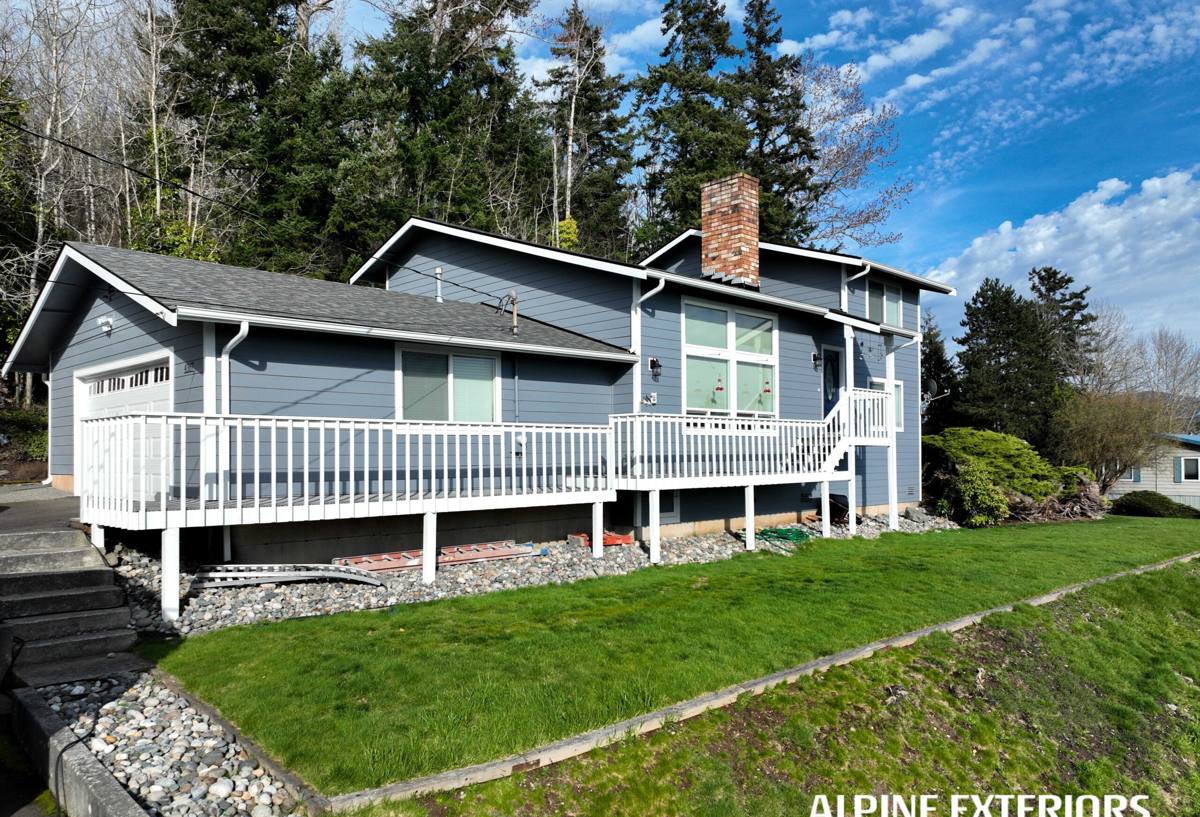
The Climate Factors That Shorten Shingle Life Here
Pinellas County roofs deal with four stresses that show up together, year after year, and each one accelerates the others.
Hurricane-force wind
St. Petersburg sits in a high wind zone, and shingle roofs fail most often at the edges — the perimeter, ridges, and rakes — where uplift pressure is highest. A shingle roof that looks fine from the ground can still be under-fastened, missing proper starter strip adhesion, or lacking the nailing pattern needed to hold up in sustained gusts.
Intense, year-round UV
Florida sun is relentless on asphalt shingles. UV exposure dries out the asphalt binder over time, making shingles brittle, prone to granule loss, and more likely to crack or lift in wind well before their rated lifespan is up.
Wind-driven rain
It's not the rain itself that causes most leaks — it's rain forced sideways and upward under shingle tabs, at flashing points, and around roof penetrations during storms. A roof built for calm, straight-down rain will leak here. Underlayment, flashing, and shingle sealing all have to account for wind-driven water intrusion specifically.
Salt air
Being close to Tampa Bay means airborne salt settles on roofing metal — flashing, vent stacks, drip edge — and accelerates corrosion. Corroded flashing is one of the most common hidden causes of roof leaks in coastal-adjacent neighborhoods like Old Southeast, because the shingles above it can still look intact while the metal underneath is failing.
What This Means for a Historic Old Southeast Home Specifically
Older homes in this neighborhood often have roof geometry that adds complexity: multiple hips and valleys, dormers, and in some cases lower-slope sections over porches or additions. That geometry creates more seams, more flashing points, and more places for wind and water to find a weakness. It also means these roofs typically can't be treated as a simple square of shingles — the valleys, transitions, and penetrations need individual attention.
Attic ventilation is another common gap. Many homes of this era were built or previously re-roofed before current intake-and-exhaust ventilation standards were common practice. Poor attic ventilation traps heat and moisture, which shortens shingle life from underneath and can void manufacturer warranties even when the shingles themselves were installed correctly.
Finally, many Old Southeast homeowners care about keeping the roofline and shingle profile in character with the home's original architecture. That's a legitimate consideration, not just an aesthetic preference — a roof that looks out of place can affect curb appeal and, in some cases, neighborhood or association expectations.
Choosing the Right Shingle Profile
| Shingle Type | Wind Rating (typical) | Best Fit For | Trade-Offs |
|---|---|---|---|
| 3-tab | Lower (60–70 mph range) | Budget-driven projects, secondary structures | Lowest cost, but least suited to high-wind coastal exposure |
| Architectural / dimensional | Moderate-to-high (110–130 mph range, product-dependent) | Most Old Southeast homes — matches historic profiles well | Higher upfront cost, longer service life, better wind performance |
| Impact-rated / high-wind rated | Highest available in asphalt category | Homes wanting maximum storm resilience, or insurance premium credit | Highest material cost; may qualify for insurance discounts that offset it |
For most homes in this neighborhood, an architectural shingle rated for high wind is the right balance — it holds up to the conditions this area sees and reads well on a historic-style roofline. We'll walk through the actual product options and ratings for your specific home during the estimate rather than push one line across every job.
What a Correct Installation Actually Involves
A shingle roof is only as good as everything installed underneath it. On Old Southeast homes, we pay particular attention to the following:
Deck inspection and repair
Before anything goes down, the deck gets inspected for soft spots, delamination, or damage from prior leaks — common on older homes where a leak may have gone unnoticed for a while. Any compromised decking is replaced, not covered over.
Underlayment built for wind-driven rain
We use synthetic or self-adhered underlayment appropriate to the roof's slope and exposure, with extra attention to valleys and eave lines where wind-driven water is most likely to push underneath shingles.
Wind-rated fastening
Nailing pattern and starter strip installation follow the shingle manufacturer's high-wind specifications, not the minimum code allowance — this is the single biggest factor in whether a shingle roof survives a strong wind event intact.
Flashing and penetrations
Step flashing, valley metal, and vent boots are installed or replaced with corrosion-resistant materials suited to salt-air exposure, and sealed as part of the system rather than caulked as an afterthought.
Ventilation correction
Where attic ventilation is inadequate, we address intake and exhaust balance as part of the re-roof, since it directly affects how long the new shingles will actually last.
Our Process, Start to Finish
- On-site inspection: We walk the roof and attic, not just look from the ground, and document what we find before quoting anything.
- Written estimate: A clear scope of work and price, including deck repair contingencies, so there are no surprise add-ons mid-job.
- Permitting: We pull the required City of St. Petersburg or Pinellas County permit before work begins.
- Tear-off and deck check: Old roofing removed, deck inspected and repaired as needed.
- Underlayment, flashing, and shingle installation: Installed to manufacturer high-wind specifications.
- Final inspection and cleanup: Magnetic sweep for nails, debris removal, and a final walk-through with you.
Why a Crew That Already Works This Neighborhood Matters
A roofing crew that regularly works Old Southeast has already seen how homes here are built and what tends to go wrong. That familiarity shows up in practical ways: knowing what to expect from decking on a home of this era, understanding the permitting and inspection process with the City of St. Petersburg, and being efficient about protecting mature trees, landscaping, and tight lot lines that are common in this part of town.
It also matters after a storm. When wind or heavy rain moves through Pinellas County, a crew that already has relationships and a route through this neighborhood can get to your home and get a tarp on faster than one working from across the county for the first time.
Maintenance and Warning Signs Between Roof Replacements
Asphalt shingle roofs need periodic attention, especially under a tree canopy and this close to the bay. Watch for:
- Granules collecting in gutters or at downspout outlets — a sign of accelerating UV wear
- Curling, cracking, or lifted shingle tabs, especially at the edges and ridge
- Dark streaking or algae growth in shaded valleys
- Rust staining around vent stacks or flashing points
- Soft or discolored ceiling spots after a storm, even if no visible leak is active
- Debris buildup in valleys after storms, which traps moisture against the shingles
Catching these early is far cheaper than repairing water damage after a leak reaches the deck or interior. An annual check, and one after any major storm, is a reasonable habit for a shingle roof in this climate.
Cost Factors Worth Understanding
Every roof is priced on its own details, but the main factors that move the number for an Old Southeast home are: roof complexity (valleys, dormers, hips), current deck condition, shingle tier chosen, and any ventilation or flashing corrections needed. A straightforward gable roof in good structural shape will cost less than a steep, multi-valley roof with deck repairs — the estimate walk-through is where we account for those specifics rather than quoting a flat per-square number sight unseen.
If you'd like an honest look at what your roof actually needs, we offer a free, no-pressure estimate — just fill out the form below and we'll schedule a time to come take a look.