 St. Petersburg Roofing
 Siding Built for Kenwood's Older Homes, Not Just Any House
Historic Kenwood is one of St. Petersburg's oldest residential neighborhoods, and its housing stock reflects that: bungalows and frame-vernacular homes built decades before modern building codes existed, many with wood siding, wide eaves, and architectural details that give the neighborhood its character. Re-siding a home like this isn't the same job as re-siding a 2005 tract house. The framing may be true dimensional lumber instead of engineered studs, the walls may have settled unevenly over the decades, and the trim details that give the house its identity need to be respected, not stripped away for the sake of a faster install.
At the same time, these homes sit in Pinellas County, which means they take the full brunt of Gulf Coast weather — hurricane-force wind events, intense sun nearly every day of the year, wind-driven rain that finds every gap in a building envelope, and salt-laden air drifting in off the water. A century-old wall assembly was never engineered for that combination. When we install siding in Historic Kenwood, the goal is to give the home a weather envelope that actually holds up to St. Petersburg's climate while keeping the look that makes these houses worth preserving.
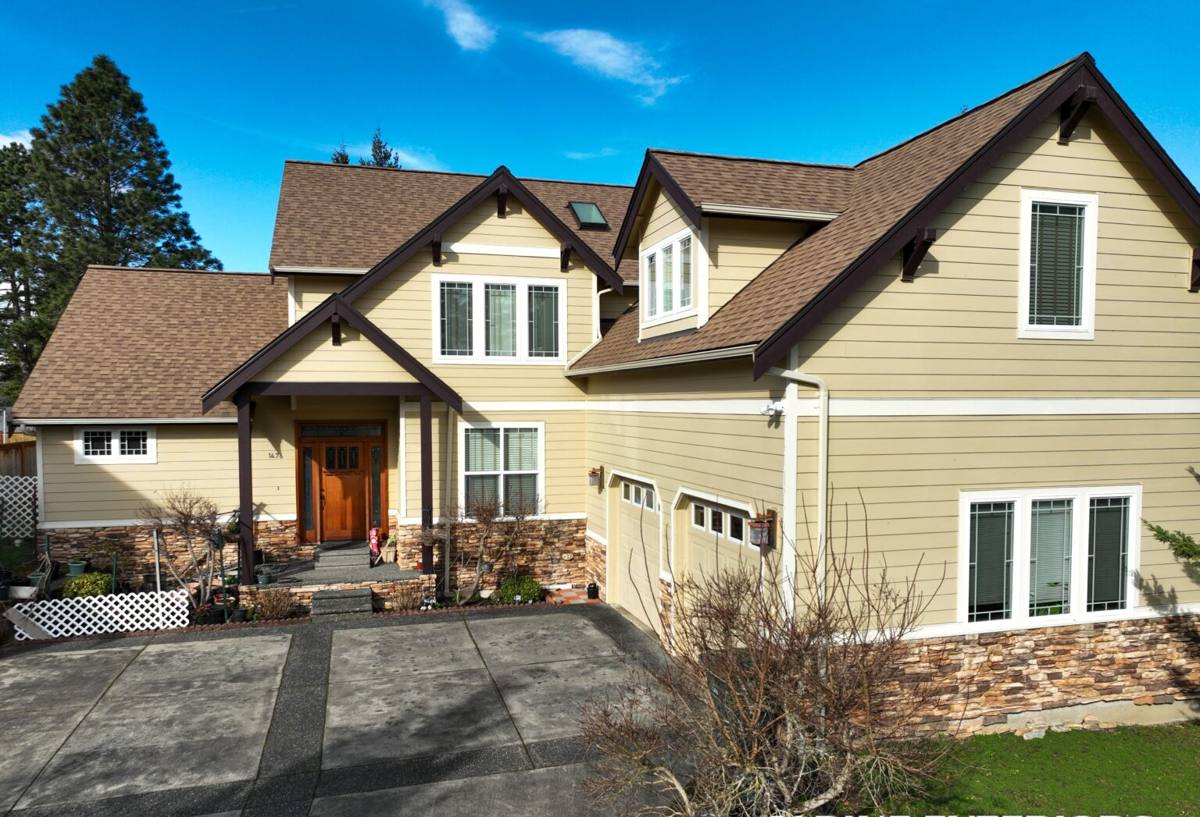
What Pinellas County Weather Does to Older Siding
Wind and Wind-Driven Rain
Hurricane and tropical-storm wind events don't just threaten to peel siding off a wall — they drive rain sideways under laps, around trim, and into any seam that isn't properly flashed and fastened. On an older home, decades of prior patch jobs, added trim, and settled framing often mean there are more of those gaps than the owner realizes until siding comes off and the sheathing underneath is exposed.
Year-Round UV Exposure
Florida sun is relentless on painted wood siding. Paint film breaks down, boards cup and check, and caulk joints that once sealed a seam dry out and crack within a few years. On a historic home, that often shows up as a repeating maintenance cycle — scrape, prime, repaint, recaulk — that never really solves the underlying problem, it just resets the clock.
Salt Air Corrosion
Even homes that aren't waterfront take on salt-laden air moving through the St. Petersburg peninsula. Salt accelerates the failure of low-grade fasteners, metal flashing, and cheap trim hardware, and it speeds up the breakdown of finishes that weren't engineered for a marine-influenced climate.
None of this means an old Kenwood home is doomed to constant repair — it means the siding, fasteners, flashing, and finish all have to be chosen and installed with this specific climate in mind, not a generic national spec sheet.
What a Correct Siding Installation Actually Involves
A siding job is only as good as what's underneath it. On an older Kenwood home, that starts before a single new board goes up.
- Full removal of the existing siding to expose and inspect the sheathing and framing for rot, prior water damage, or settling
- Repair or replacement of any compromised sheathing, framing, or structural wood before a new weather barrier goes on
- Installation of a continuous, properly lapped weather-resistant barrier — the layer that does the real work of keeping wind-driven rain out
- Correct flashing at every window, door, roofline, and penetration, integrated with the weather barrier rather than just caulked over it
- Proper fastener selection and placement, accounting for both wind load and the corrosive coastal air
- Correct clearances from grade, roofing, and decks so the new siding isn't sitting where it will wick moisture
- Factory-finished siding installed to the manufacturer's specified nailing pattern and gapping, not "close enough"
Skipping or rushing any one of these steps is how a brand-new siding job ends up with the same moisture and paint problems as the old one, just with a five-year head start on failure instead of fifty.
Why We Only Install James Hardie Fiber Cement
We install James Hardie fiber cement siding exclusively — we don't install vinyl, LP SmartSide, or other engineered wood or fiber cement alternatives. That's a deliberate standard, not a sales preference. Fiber cement is non-combustible, which matters on older homes with tight lot spacing. It holds its shape and its factory-applied ColorPlus finish far better than wood siding under UV exposure, so it doesn't need the repaint-and-recaulk cycle that older wood siding demands. And James Hardie manufactures HZ5 product lines specifically engineered for high-humidity, storm-prone climates like ours, which is a meaningful difference from siding designed for a generic national market.
Hardie also backs the product with a strong, transferable warranty — but that warranty is only as good as the installation behind it. A product engineered for hurricane-prone coastal climates still needs correct flashing, fastening, and clearances to perform the way it's designed to. That's the part we control, and it's where most siding failures actually originate, regardless of the brand on the box.
How Hardie Compares to What Some Historic Homes Currently Have
| Factor | Original Wood Siding | James Hardie Fiber Cement |
|---|---|---|
| UV/sun resistance | Paint fades and chalks; repaint every 4-7 years typical | Factory ColorPlus finish resists fading far longer |
| Moisture/rot risk | High if paint film fails and moisture reaches wood | Does not rot; engineered for humid climates |
| Wind/impact resistance | Depends on fastening and board condition, often original to the house | Rated for high-wind installation when installed to spec |
| Fire behavior | Combustible | Non-combustible |
| Long-term maintenance | Ongoing scraping, priming, caulking | Occasional washing; no repainting cycle required |
Keeping Kenwood's Architectural Character Intact
The reason people choose to live in Historic Kenwood is the character of the homes — the bungalow proportions, the trim details, the porch and eave lines. Re-siding a home like this isn't an excuse to flatten that character in the name of a faster install. James Hardie's lap and shingle profiles, along with its trim boards, are made to replicate the reveal and shadow lines of traditional wood siding, and the ColorPlus finish comes in a range of colors that can be matched to a historic palette rather than whatever happens to be in stock. Where a home has any local historic-district review requirements, we work within those constraints rather than around them — the goal is a siding job that a neighbor walking by wouldn't clock as "new," just well-kept.
Our Process for a Historic Kenwood Siding Installation
- On-site assessment — we walk the home, note trim details worth preserving, and check for signs of existing moisture or structural issues before quoting anything.
- Tear-off and inspection — old siding comes off and sheathing/framing gets inspected in daylight, not assumed to be fine.
- Repair — any compromised wood or sheathing gets replaced before the weather barrier goes on.
- Weather barrier and flashing — installed continuously and integrated at every penetration.
- Hardie installation — siding, trim, and accessories installed to manufacturer nailing and clearance specs, sized for the local wind zone.
- Final walkthrough — we review the finished work with the homeowner and cover basic care.
What This Typically Costs
Every Kenwood home is different — square footage, trim complexity, and the condition of what's underneath the existing siding all move the number. What we can tell you honestly:
| Cost Factor | Why It Matters |
|---|---|
| Extent of sheathing/framing repair needed | Older homes vary widely here; it's rarely known until tear-off |
| Amount of trim and architectural detail | Bungalow-era trim work takes more labor than a plain wall |
| Siding profile chosen (lap, shingle, board-and-batten) | Material and labor costs differ by profile |
| Color (standard ColorPlus vs. custom match) | Custom color matching to a historic palette can add cost |
| Home size and number of stories | Affects material quantity and access/labor time |
We won't give a number over the phone before seeing the house — anyone who does is guessing, and on an older home that guess is usually wrong in one direction or the other.
Why Local Experience in Historic Kenwood Matters
A crew that regularly works in Historic Kenwood already knows what to expect from homes of this age and construction style before they ever pull a board off the wall — how the framing tends to be built, where moisture problems typically show up, and how to keep the trim details that matter to the neighborhood's character. That experience shortens the guesswork on tear-off day and reduces the odds of surprises turning into change orders. It also means familiarity with any applicable historic-district considerations in St. Petersburg, so the project moves without unnecessary delays.
Simple Maintenance Once Hardie Siding Is Installed
- Rinse the exterior periodically to remove salt residue and pollen buildup
- Inspect caulk joints at trim and penetrations annually, ideally before hurricane season
- Trim back landscaping so it isn't holding moisture against the siding
- Address any impact damage promptly rather than letting it sit exposed
- Keep gutters clear so water isn't sheeting down the wall face
If you own a home in Historic Kenwood and you're weighing a siding replacement, we're happy to take a look and give you a straightforward, no-pressure assessment of what your home actually needs. Use the form below to request a free estimate.