 St. Petersburg Roofing
 Historic Kenwood Roofs Carry a Different Set of Problems
Historic Kenwood is one of St. Petersburg's older residential districts, built out mostly in the early-to-mid 20th century with bungalow, Craftsman, and Mediterranean Revival homes. That era of construction means most of these roofs are sitting on original or long-since-modified framing, often with roof shapes — deep eaves, hip-and-gable combinations, small porch roofs tucked under the main roofline — that you just don't see on a newer subdivision house. A roof replacement here isn't a copy-paste job. It has to respect what the house actually is, not just cover it.
That matters because a roof that's wrong for the structure underneath it — too heavy, poorly ventilated, or fastened the way a 1995 tract home would be — tends to fail early or cause problems in the attic long before the shingles themselves wear out. Getting it right the first time matters more here than on a typical replacement.
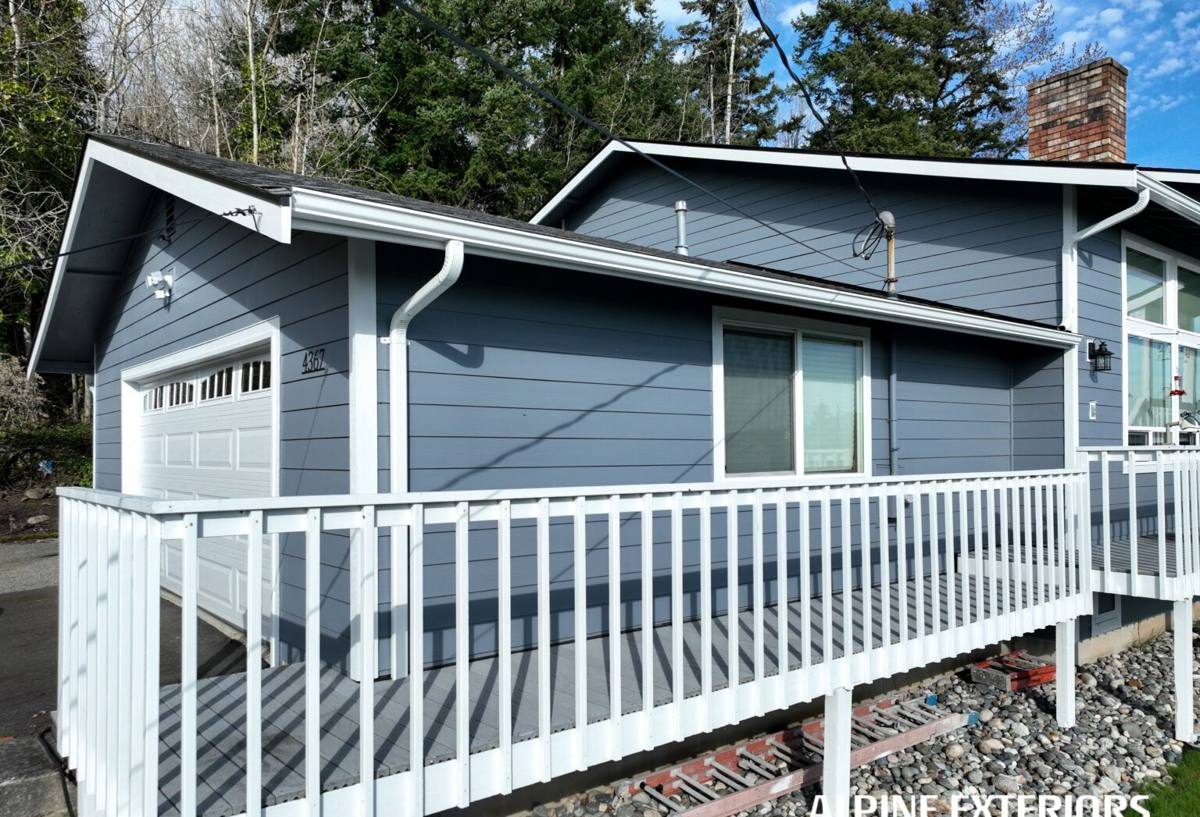
What Pinellas County Weather Does to an Older Roof
St. Petersburg roofs deal with a combination most parts of the country never see at the same time: hurricane-force wind events, intense UV exposure essentially year-round, wind-driven rain that gets pushed sideways under normal flashing details, and salt air drifting in off the surrounding water that accelerates corrosion on anything metal. On a newer home with modern decking and code-current attachment, that's a manageable list. On an older Kenwood home, each of those factors interacts with something the original builders never accounted for.
Wind and uplift
Older roof decking was often installed with fewer, smaller fasteners than current code requires, and additions or repairs over the decades don't always bring the whole roof up to a consistent standard. When a storm puts uplift pressure on a roof edge or ridge, the weak point is wherever that older fastening pattern was never upgraded.
UV and heat
Central Florida sun breaks down asphalt shingle mat and softens sealant strips faster than in milder climates. On a roof with poor attic ventilation — common in homes never retrofitted for it — that heat load gets trapped and shortens shingle life from the underside as well as the top.
Wind-driven rain
Tropical systems and summer thunderstorms in Pinellas County don't just drop rain straight down — they drive it sideways and upward under gaps. Older flashing details around chimneys, dormers, and porch roof tie-ins were built to a lower standard than current code, and that's frequently where a leak starts, not in the shingle field itself.
Salt air
Being close to the Gulf and Tampa Bay means airborne salt reaches every roof in the area to some degree. It corrodes exposed fasteners, flashing, and metal roof panels faster than an inland home would experience, which changes what "good" hardware looks like on a replacement here.
Why Replacing These Roofs Takes More Judgment Than a Standard Tear-Off
A straightforward roof replacement on a modern home is largely a known quantity. On an older Kenwood house, several things typically need a closer look before a crew ever pulls the first shingle:
- Decking condition: plank decking (common on homes of this era) behaves differently than plywood or OSB — it needs to be evaluated board by board, not just patched where it's obviously soft.
- Roof geometry: hips, valleys, and small secondary roofs over porches or additions all need flashing details sized to the actual pitch and transition, not a generic template.
- Ventilation: many older homes were never built with the intake and exhaust balance modern shingle warranties assume, and adding it correctly without altering the roofline's appearance takes some planning.
- Load and structure: switching materials (say, from shingle to a heavier concrete tile or a lighter metal system) can change the load on framing that's decades old, which is worth confirming before, not after.
- Neighborhood character: Kenwood's visual identity is part of what residents value about living there, and a roof that looks out of place on a street-facing elevation is a legitimate concern even where it isn't strictly regulated.
None of this means an older roof is harder to fix — it means it takes an inspection that actually accounts for the house's age and shape, rather than assuming it's built like something from 2010.
Choosing Materials That Fit the House and the Climate
There's rarely one "correct" material for a historic-district home — it depends on the roof shape, the budget, and how much the homeowner wants the replacement to visually match the original design. Here's how the common options generally compare for this kind of home in this climate:
| Material | Fit for bungalow/Craftsman look | Wind performance | Maintenance in salt air | Relative cost tier |
|---|---|---|---|---|
| Architectural asphalt shingle | Good — wide color/texture range, can mimic older profiles | Good when installed to current wind-rated specs | Low — no exposed metal to corrode | $ |
| Standing seam metal | Good on simpler rooflines, less common on complex hip roofs | Very good, high uplift resistance | Moderate — fastener and finish quality matters more near the coast | $$$ |
| Concrete or clay tile | Good on Mediterranean Revival styles, less typical on bungalows | Good when properly fastened, but adds significant roof weight | Low, but individual tiles can crack from impact | $$$ |
| Low-slope membrane (for porch/flat sections) | Not visible from the street on most designs | Good when detailed correctly at transitions | Low | $$ |
For most Kenwood homes, a quality architectural shingle rated for high wind, paired with a properly detailed membrane on any low-slope porch or addition roof, hits the best balance of appearance, cost, and long-term performance. Metal and tile are legitimate upgrades where the roof shape and budget support them, but they're a bigger commitment in terms of both cost and, in tile's case, structural load.
How We Approach a Replacement in This Neighborhood
- Full roof and attic inspection: decking condition, existing ventilation, flashing points, and any signs of past patch-repairs that were never properly integrated.
- Written scope and material recommendation: based on the actual roof geometry, not a generic package, with honest trade-offs explained.
- Tear-off: complete removal down to the deck so we can actually see what we're fastening the new system to, rather than layering over unknowns.
- Deck repair: replace any deteriorated boards or sheathing and bring fastening patterns up to current wind-resistance standards.
- Underlayment and flashing: sealed underlayment system plus new flashing at every valley, wall, chimney, and porch tie-in — this is where most leaks originate on older homes, so it gets the most attention.
- Ventilation correction: balance intake and exhaust venting to match the new roofing system's warranty requirements without altering the visible roofline.
- Install: new roofing material installed to the wind-rated specification appropriate for Pinellas County.
- Final walkthrough: site cleanup, magnetic sweep for stray fasteners, and a review of the finished work with the homeowner.
Permitting, Wind Mitigation, and Historic District Considerations
Roof replacements in the City of St. Petersburg require a permit and inspection regardless of neighborhood, and that process confirms the new roof meets current Florida Building Code wind-resistance requirements. Homes within a local historic district may also have design review expectations for street-facing elements — this varies by property and district status, so it's worth confirming with the city's preservation staff before finalizing a material choice if your home's roofline is highly visible from the street.
Separately, a wind mitigation inspection after replacement can document upgrades like improved roof-deck attachment, a secondary water barrier, and hip-roof geometry — all of which can lower a homeowner's windstorm insurance premium. It's a short inspection worth doing once the new roof is on, and we're glad to point homeowners toward the process.
Why It Matters That We Already Work in Kenwood
A crew that's replaced roofs on this style of home before isn't guessing at how the decking is likely built, what the ventilation gaps usually look like, or how the porch roof typically ties into the main structure — they've already seen it on the house down the street. That translates into a more accurate estimate up front, fewer surprises once tear-off starts, and a finished roof that actually fits the house instead of looking like a generic replacement dropped onto an older frame. It also means we're already familiar with the city's permitting expectations for this part of St. Petersburg, which keeps the paperwork side of the project moving instead of stalling it.
Signs Your Kenwood Home Needs a Replacement, Not Another Repair
- Shingles that are cupping, curling, or missing granules across large sections rather than one isolated spot
- Multiple past repairs in different areas of the roof, suggesting the whole system is aging out together
- Soft spots, sagging, or visible daylight in the attic decking
- Recurring leaks after storms despite prior flashing or patch repairs
- Roof age approaching or past the material's expected service life, especially if it's never been inspected for wind-mitigation upgrades
- Visible fastener corrosion or staining on metal roof sections or flashing
If you're seeing one or two of these, a repair may still be reasonable. If you're seeing several at once, a replacement usually ends up being the more honest recommendation — and the more cost-effective one over time.
If you own a home in Historic Kenwood and want a straight answer on whether your roof needs repair or replacement, we're happy to take a look. The estimate is free, there's no pressure attached to it, and you can get started with the form below.