 St. Petersburg Roofing
 Siding Built for Gulfport's Coastal Reality
Gulfport sits close to the water along Boca Ciega Bay, which means homes here take on a version of the Florida climate that's a step harder on exterior materials than a few miles inland. The combination of salt-laden air, near-constant humidity, intense UV exposure, and the real possibility of hurricane-force wind and wind-driven rain adds up over the years. Siding that looks fine when it's installed can start failing within a decade if it wasn't engineered — and installed — for this specific environment.
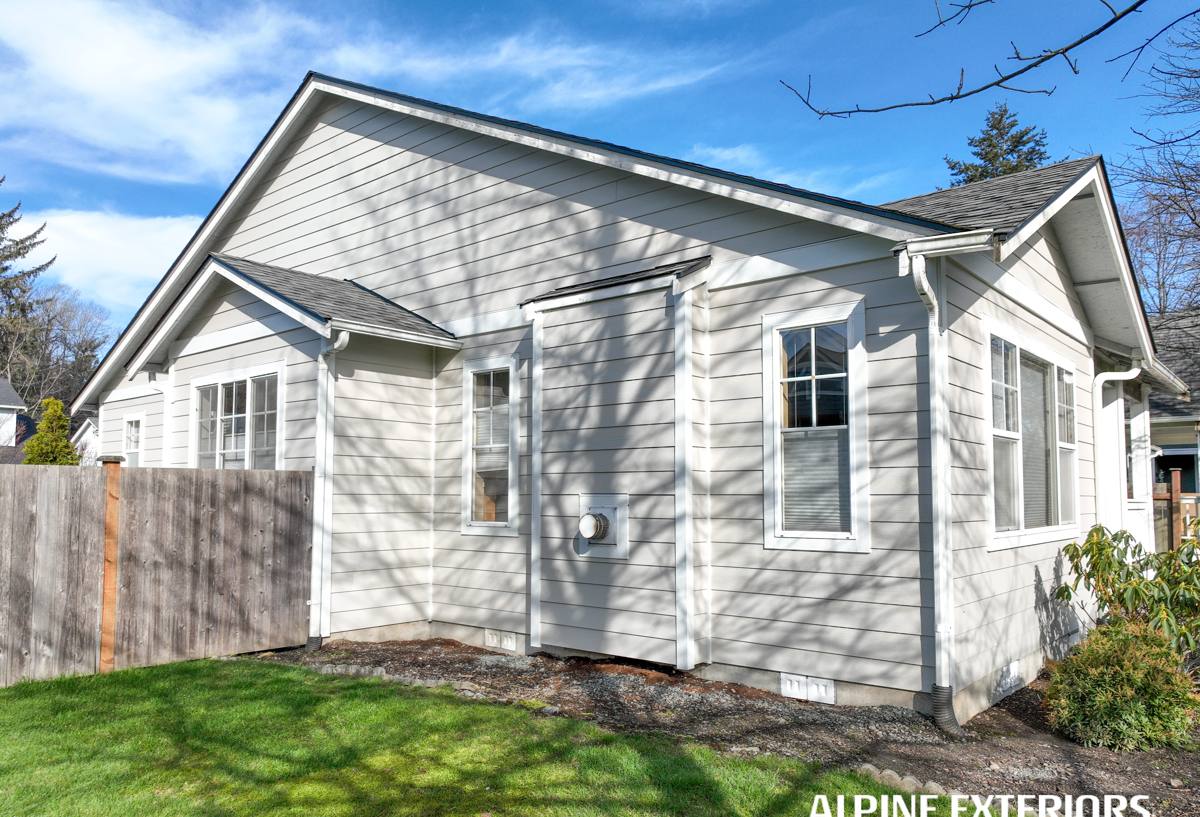
We install James Hardie fiber cement siding exclusively, and this page is about what that means specifically for a home in Gulfport: what the climate actually does to siding here, what a correct installation looks like, and why local experience matters as much as the product itself.
What Coastal Exposure Does to Ordinary Siding
Salt Air and Moisture
Homes near Boca Ciega Bay and the broader Pinellas County coastline are exposed to airborne salt that settles on exterior surfaces and accelerates corrosion of fasteners, trim, and any material that isn't rated for it. Combined with Florida's humidity, that salt exposure also keeps moisture in contact with siding longer than it would be in a drier climate, which matters enormously for any wood-based or wood-adjacent product.
UV and Florida Sun
Pinellas County gets sun exposure most of the year, and UV breaks down pigments and surface coatings steadily over time. Siding that isn't factory-finished for UV resistance tends to fade unevenly, chalk, or need repainting well ahead of schedule — and that repainting cost adds up over a 20-30 year ownership window.
Wind and Storm Pressure
Gulfport homes need to hold up to hurricane-force wind gusts and the wind-driven rain that comes with tropical storms and hurricanes. That's not just about the siding material surviving a storm — it's about whether the installation keeps wind-driven rain from getting behind the siding and into the wall assembly, where it can cause damage you don't see until it's expensive.
Why James Hardie Fiber Cement Fits This Climate
James Hardie fiber cement siding is engineered from cement, sand, and cellulose fiber — it doesn't rot, it isn't a food source for pests, and it's non-combustible. Those properties matter everywhere, but they matter more in a humid coastal environment where wood-based and wood-composite products are working against constant moisture exposure.
HZ5 Climate-Engineered Product Line
James Hardie manufactures its siding in different formulations tuned to different regional climate zones. For Gulfport and the rest of the Tampa Bay coastal area, the HZ5 product line is engineered for the higher humidity and moisture exposure that comes with being close to the water. That's a meaningful difference from a generic fiber cement product not tuned to this climate zone.
ColorPlus Factory Finish
Rather than relying on job-site paint, James Hardie's ColorPlus finish is baked on in a controlled factory process, which gives it better UV and fade resistance than field-applied paint and backs it with its own finish warranty. For a home taking direct Florida sun most of the year, that factory-cured finish is a real advantage over touch-up paint that starts fading within a few seasons.
Transferable Warranty
James Hardie backs its siding with a manufacturer warranty that's transferable to a new owner if the home sells — a detail that matters in a market like Gulfport's where buyers are increasingly asking about hurricane resilience and exterior condition before making an offer.
What a Correct Installation Actually Involves
The material only performs as promised if the installation follows James Hardie's specifications exactly. Fiber cement siding is unforgiving of shortcuts in a way that's easy to hide at first and expensive to find out about later — usually when moisture has already gotten behind the wall.
| Installation Factor | Why It Matters in Gulfport | What Correct Installation Requires |
|---|---|---|
| Fastener spacing and type | Wind uplift during tropical storms and hurricanes puts real load on every fastener | Corrosion-resistant fasteners at manufacturer-specified spacing, driven to the correct depth |
| Clearance from grade, roofline, and decks | Ground moisture and roof runoff both concentrate near these transitions | Minimum clearances maintained per James Hardie's installation guide, not just what looks tidy |
| Flashing and water management | Wind-driven rain will find any gap around windows, doors, and penetrations | Properly lapped flashing and a drainage plane behind the siding, not caulk alone |
| Joint treatment and caulking | Salt air and UV break down inferior sealants faster here than inland | Manufacturer-approved sealants at joints, with regular inspection built into maintenance |
| Panel and plank overlap | Improper overlap lets wind-driven rain track upward under panels | Correct overlap and shiplap engagement per the specific Hardie product line used |
Skipping any one of these doesn't usually cause a visible problem on day one. It shows up years later as moisture damage, fastener failure in a storm, or premature caulk breakdown — all of which cost far more to fix than to install correctly the first time.
Our Process for a Gulfport Siding Project
- Inspection and moisture check. We look at the current siding, the sheathing underneath where accessible, and any signs of past water intrusion before recommending a scope of work.
- Product and color selection. We walk through the applicable James Hardie product line, plank profiles, and ColorPlus color options that fit the home and the neighborhood.
- Prep and protection. Landscaping, walkways, and adjacent surfaces get protected before removal of existing siding begins.
- Removal and substrate check. Old siding comes off so the sheathing and framing underneath can be checked and any damage addressed before new siding goes on — installing over hidden damage just seals the problem in.
- Weather barrier and flashing installation. This is the step that determines whether the finished job actually keeps water out, and it's done to James Hardie's specification, not shortcuts.
- Siding installation. Panels or planks go on with correct fastener placement, spacing, and overlap for the product line and local wind exposure.
- Final inspection and cleanup. We walk the finished job with the homeowner and clear the site.
Signs a Gulfport Home May Need New Siding
- Visible cracking, buckling, or warping in current siding panels
- Soft spots or give when you press on the siding near the bottom of walls
- Paint that's peeling, bubbling, or fading unevenly despite recent repainting
- Persistent mildew or discoloration that returns quickly after cleaning
- Visible gaps, loose panels, or fastener heads working their way out
- Rising energy bills that suggest the wall assembly isn't performing as it should
- Interior signs like musty odors or staining near exterior walls, which can point to moisture getting in behind the siding
Any one of these on its own may be minor. Several together, especially on a home that's had multiple storm seasons of exposure, usually means it's worth having someone look before it becomes a bigger repair.
Why Hire a Crew That Already Works in Gulfport
Pinellas County's wind-load and building code requirements reflect the fact that this is a hurricane-exposed coastal county, and permitting and inspection expectations follow accordingly. A crew that regularly works in Gulfport and the surrounding St. Petersburg area already understands those requirements, has relationships with local permitting processes, and has seen firsthand how salt air and storm exposure affect siding installed at different quality levels over time. That local track record matters more with fiber cement than with more forgiving materials, because the margin for installation error is smaller.
Why We Only Install James Hardie
We don't install vinyl, LP SmartSide, or other fiber cement brands, and that's a deliberate standard, not a limitation of what we're capable of installing. After years of exterior work in this climate, James Hardie's combination of non-combustible fiber cement, climate-specific HZ5 formulation, factory-applied ColorPlus finish, and transferable warranty is what we're willing to put our name behind on a Gulfport home. Standardizing on one product line also means our crews install it constantly, rather than switching between systems with different specifications and failure points.
Cost Factors for a Gulfport Siding Project
| Factor | How It Affects the Project |
|---|---|
| Home size and wall complexity | More square footage and more corners, gables, and trim details increase labor time |
| Current condition of sheathing | Hidden moisture damage found during removal adds repair scope before new siding goes on |
| Product line and plank profile | Different James Hardie product lines and profiles carry different material costs |
| Color selection | Standard ColorPlus colors versus custom or premium options can shift pricing |
| Trim and accessory work | Fascia, soffit, and trim replacement alongside siding adds to overall scope |
| Access and site conditions | Multi-story sections, tight lot lines, or landscaping can affect labor and setup time |
Every home is different, which is why we walk the property and give a scope-specific number rather than a generic per-square-foot estimate that doesn't account for what your home actually needs.
If your Gulfport home's siding is showing its age, or you just want an honest look at whether it's holding up the way it should against the salt air, sun, and storm exposure this area sees, we're happy to come take a look. Reach out below for a free, no-pressure estimate.