 St. Petersburg Roofing
 Building a Deck That Can Actually Handle St. Petersburg's Climate
A deck in Euclid-St. Paul lives a harder life than a deck almost anywhere inland. Between the intense, year-round Florida sun, the salt-laden air drifting off Tampa Bay, wind-driven summer storms, and the occasional hurricane-force wind event Pinellas County plans for every season, an outdoor structure here is under constant stress. A deck that would hold up fine in a drier, cooler climate can start failing within a few years in St. Petersburg if it wasn't designed and built with this specific environment in mind.
This page is about one thing: custom deck construction for homes in the Euclid-St. Paul area, and what it actually takes to get a deck that looks good for the long haul instead of one that needs boards replaced, fasteners re-driven, or a full rebuild in five or six years.
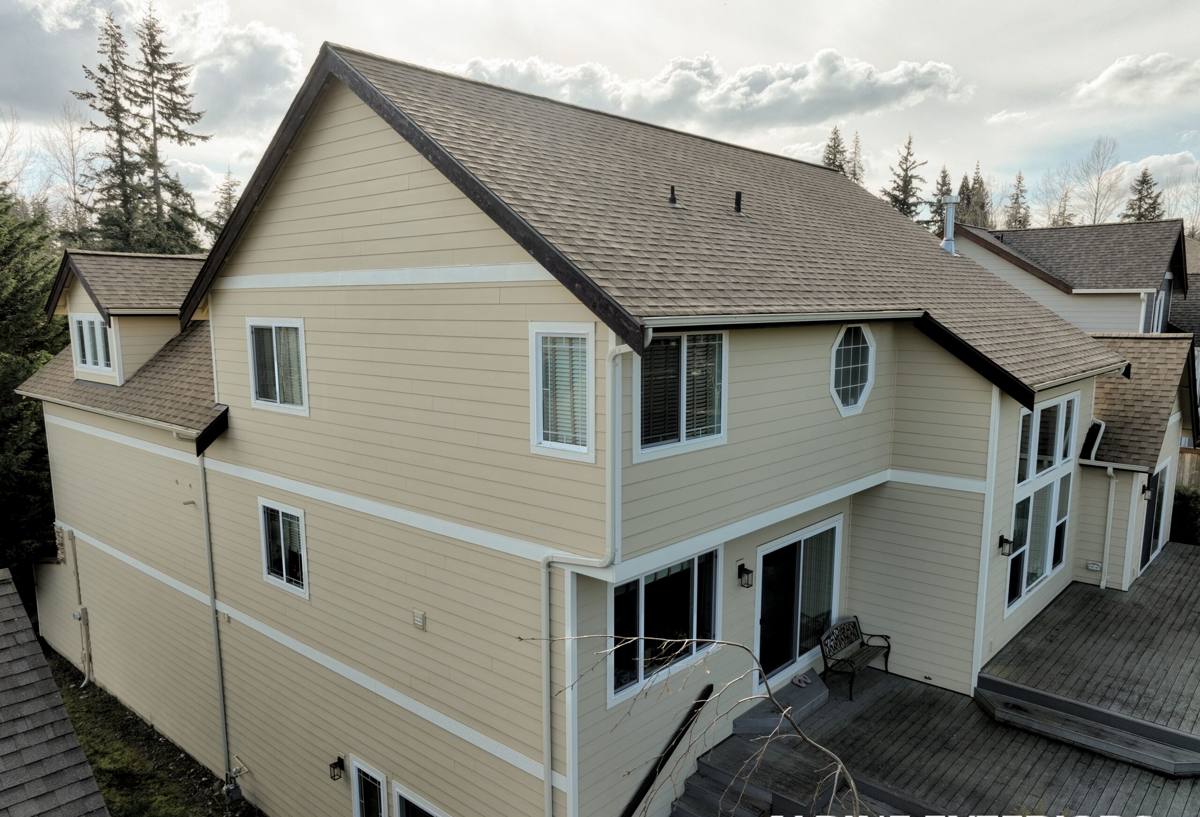
What Sun, Salt Air, and Storms Actually Do to a Deck
It helps to understand the specific failure points before talking about materials and construction, because every decision below traces back to one of these four stressors.
UV Exposure
Florida sun is more intense and more constant than most decking products were originally engineered around. Untreated or poorly finished wood grays, cracks, and splinters faster here. Even some composite and PVC products fade or chalk over time if they weren't formulated for high-UV climates — this is why product selection matters more here than it would in a milder region.
Salt Air Corrosion
St. Petersburg sits close enough to the water that airborne salt reaches inland neighborhoods, including established residential areas like Euclid-St. Paul. Salt air accelerates corrosion in any metal it touches — screws, joist hangers, bolts, and structural connectors. A fastener rated for a dry, inland climate can rust and weaken well before the wood or decking around it shows any wear, which is a common cause of decks that look fine on the surface but have hidden structural problems underneath.
Wind-Driven Rain
Florida storms don't just drop rain straight down — wind pushes it sideways and up, forcing water into gaps, seams, and connection points that a deck in a calmer climate would never have to deal with. Ledger board attachments (where a deck connects to the house) and any horizontal surface where two boards meet are the most common places this shows up as rot or water intrusion into the home itself.
High Wind Loads
Pinellas County is built and permitted with hurricane-force wind in mind. A deck is a structure attached to or standing next to your home, and if it's not anchored and framed to resist uplift and lateral wind forces, it becomes both a liability and a projectile risk in a serious storm.
Choosing a Decking Material That's Actually Right for This Climate
There's no single "best" decking material — there's a best material for your budget, your maintenance tolerance, and how exposed your specific lot is to sun and salt air. Here's how the common options actually compare in a St. Petersburg environment.
| Material | Upfront Cost | Sun & Salt Air Performance | Maintenance | Realistic Lifespan Here |
|---|---|---|---|---|
| Pressure-Treated Wood | Lowest | Needs regular sealing to resist UV graying and moisture; fasteners must be rated for treated lumber | Annual cleaning and re-sealing | 10–15 years with upkeep |
| Composite Decking | Mid-range | Good UV and moisture resistance; quality varies significantly by product line | Periodic cleaning, no sealing/staining | 20–30 years |
| Capped PVC Decking | Highest | Strongest resistance to fading, moisture, and salt exposure of the manufactured options | Low — occasional washing | 25+ years |
| Tropical Hardwood | High | Naturally dense and rot-resistant, but still needs oiling to prevent sun bleaching | Regular oiling to maintain color | 20–25 years with upkeep |
We'll walk through these trade-offs with you honestly rather than steering every job toward the highest-margin product. A well-installed pressure-treated deck with a disciplined maintenance routine can be the right call for a budget-conscious homeowner; a low-maintenance composite or PVC deck makes more sense for someone who wants to spend weekends using the deck, not maintaining it.
Framing and Fasteners: Where Most Deck Failures Actually Start
The decking surface is what you see, but the framing underneath and the fasteners holding it together are what determine whether the deck is safe and how long it lasts. This is also where corner-cutting is hardest to spot after the fact — and most expensive to fix.
- Fasteners: We use stainless steel or hot-dip galvanized hardware rated for coastal, salt-air exposure — not standard-grade screws and hangers that corrode prematurely in this environment.
- Ledger attachment: Where the deck ties into the house, proper flashing keeps wind-driven rain from working its way behind the siding or into the rim joist.
- Footings: Sized and set to the depth and bearing capacity needed to resist wind uplift, not just vertical load — a common shortcut on decks that weren't built by someone thinking about hurricane exposure.
- Structural connectors: Hurricane ties and rated joist hangers at key connection points, not just nails toe-driven into the frame.
- Board spacing: Correct gapping between boards so water drains instead of pooling, which matters as much for wood movement as it does for keeping debris and standing water off the frame.
Permits and Code Requirements in St. Petersburg and Pinellas County
Most custom deck projects in this area require a building permit, and for good reason — an improperly built deck is a real safety hazard, not just a cosmetic issue. Depending on size, height, and whether it's attached to the house, you can generally expect:
- Permit drawings showing framing, footing sizes, and connection details
- An inspection at the footing/framing stage before decking goes down
- Guardrails and baluster spacing that meet current code once the deck is elevated above a certain height
- A final inspection before the project is signed off
We handle the permitting process as part of the job — pulling the permit, scheduling inspections, and building to what the plans call for — so you're not the one chasing down the county on your own project.
Designing a Deck That Fits an Euclid-St. Paul Property
Homes in this part of St. Petersburg tend to sit on established, mature lots, which shapes a few practical design decisions: where a deck can reasonably tie into the existing structure, how much clearance there is for equipment and material staging, and how much of the yard is shaded versus in full sun for most of the day. A deck oriented for shade in the afternoon changes how usable it is on a July afternoon in Pinellas County, and it's worth discussing at the design stage rather than after the frame is already built. We also look at drainage — where water naturally moves across the lot during heavy rain — so the deck doesn't end up creating a low spot that holds water against the house.
How Our Custom Deck Process Works
- On-site consultation: We walk the property with you, talk through how you'll actually use the space, and take real measurements — not a phone estimate.
- Material and design selection: We go over the honest trade-offs between wood, composite, and PVC options based on your budget and maintenance preferences.
- Permit drawings and submission: We prepare what's needed and handle the permit process with the county on your behalf.
- Footings and framing: Built to the wind-load and structural standards this climate requires, not just what's minimally required to pass.
- Decking, railing, and finish work: Installed with fastening methods appropriate to the material and to salt-air exposure.
- Final walkthrough and inspection: We go over the finished deck with you and make sure it passes final inspection cleanly.
Protecting Your Investment After the Build
Even a well-built deck needs some ongoing attention in this climate. A short annual routine catches small problems before they become expensive ones.
- Sweep debris out of board gaps so water can drain and organic matter doesn't hold moisture against the surface
- Check fasteners and railing connections once a year for corrosion or looseness, especially near the coast-facing side of the house
- Rinse salt residue off the deck surface periodically, particularly after storms
- Re-seal or re-stain wood decking on the manufacturer's recommended schedule — don't wait until it's visibly gray
- Inspect the ledger board area and any spots where the deck meets the house for signs of water intrusion
- Trim back landscaping that's holding moisture against the frame or blocking airflow underneath the deck
Why It Matters to Hire a Crew That Already Works in This Neighborhood
A deck built by someone unfamiliar with Pinellas County's permitting process, wind requirements, and the realities of building close to salt air is a deck that's more likely to need rework — either during inspection or a few years down the road when corrosion or rot shows up early. Working regularly in and around Euclid-St. Paul and the rest of St. Petersburg means we already know what the local permitting office expects, what fastener and framing standards actually hold up here, and how to design around the sun exposure and drainage patterns typical of this area's lots. That familiarity translates into fewer surprises during the build and a deck that's built right the first time.
If you're considering a custom deck for your Euclid-St. Paul home, we're happy to come take a look, talk through your options honestly, and put together a free, no-pressure estimate — just fill out the form below.