 St. Petersburg Roofing
 Windows That Actually Work for Disston Heights Homes
Disston Heights is one of St. Petersburg's older, established residential neighborhoods, and that means a lot of the housing stock here has been standing through decades of Florida summers, tropical storms, and salt-laden air rolling in off Tampa Bay. Original or aging windows in this part of Pinellas County aren't just an eyesore or a rattle in the wind — they're a direct line for heat, humidity, and UV damage into your home. When we talk about "energy-efficient windows" for a Disston Heights property, we're not selling a buzzword. We're talking about a specific set of performance requirements that make sense for this climate and this neighborhood, and a correct installation process that keeps those windows performing for years instead of failing early.
This page covers what local homes actually need from their windows, what a correct installation looks like, how our process runs from estimate to final walkthrough, and why it matters to hire a crew that already works in this part of St. Petersburg rather than a company parachuting in from out of the area.
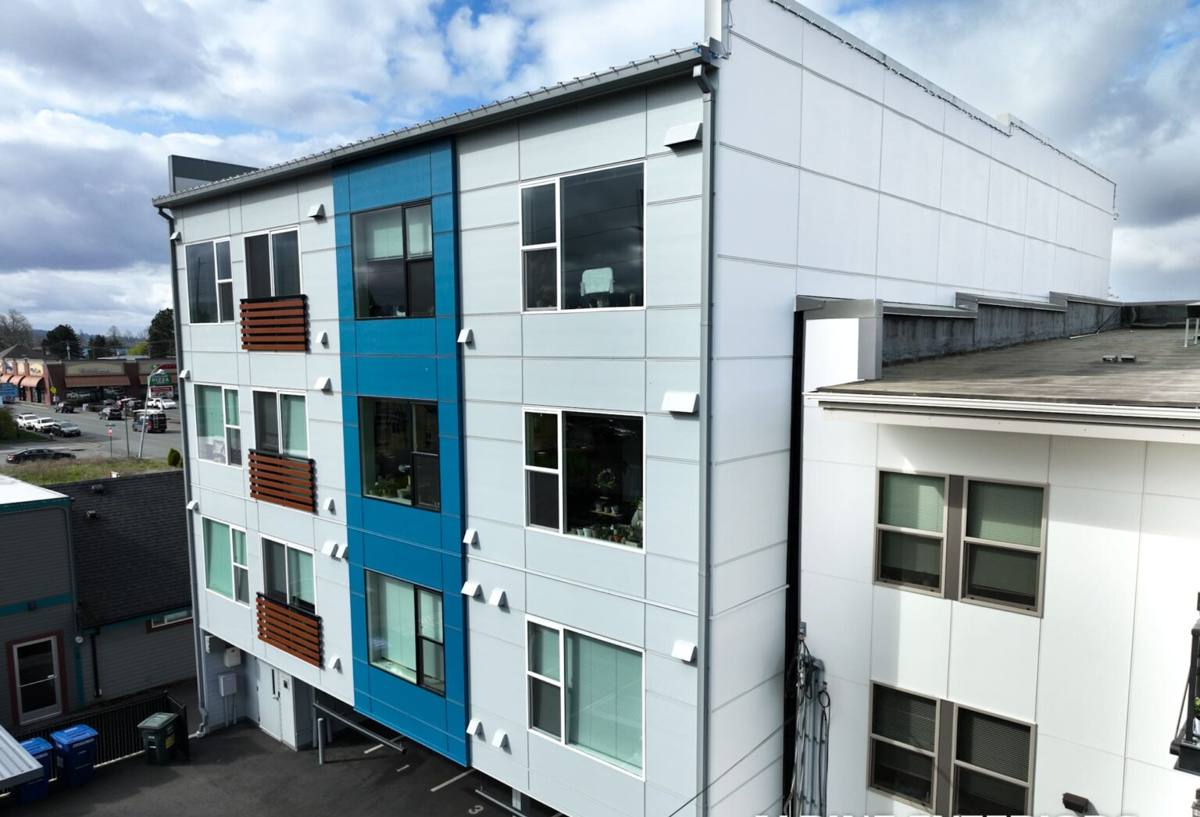
What Disston Heights' Climate Does to Windows
Every part of Pinellas County deals with heat and humidity, but a few conditions hit window performance harder than others, and they're worth understanding before you spend money on replacements.
Hurricane-Force Wind Loads
St. Petersburg sits in a hurricane-prone zone, and Disston Heights is no exception. Windows here need to be rated to handle sustained high wind pressure and, in many cases, meet local wind-borne debris requirements. A window that isn't properly rated — or that's rated correctly but installed with weak anchoring — can fail at the frame before the glass ever cracks, which is often where real storm damage starts.
Wind-Driven Rain
Florida storms don't just bring wind — they push rain sideways, and sideways rain finds every gap in a window's flashing, sealant, or frame. A window can be structurally sound and still leak if the installation around it wasn't detailed correctly. Water intrusion around windows is one of the most common sources of hidden rot and mold damage in older homes throughout this area.
Intense, Year-Round UV Exposure
Central Florida sun is strong in every season, not just summer. Constant UV exposure breaks down inferior window seals, degrades vinyl and rubber components, and fades interior flooring, furniture, and window treatments if the glass doesn't have adequate UV protection built in.
Salt Air Corrosion
Being close to Tampa Bay and the Gulf means homes throughout St. Petersburg, including Disston Heights, are exposed to salt-laden air more than inland Florida communities. Salt air accelerates corrosion on hardware, fasteners, and metal components that aren't rated for coastal-adjacent exposure. Over time this shows up as pitted hardware, stuck locks, and frames that don't seal the way they used to.
Signs Your Windows Are Costing You Money
Homeowners in Disston Heights usually come to us for one of a few reasons. If any of these sound familiar, it's worth having your windows evaluated.
- Rooms near windows feel noticeably hotter or colder than the rest of the house
- Your AC runs longer or more often than it used to, with no other explanation
- You can feel a draft with the window fully closed and locked
- Condensation forms between the panes of a double-pane window (a sign the seal has failed)
- Frames show soft spots, discoloration, or peeling paint near the sill
- Windows are hard to open, close, or lock, especially after summer humidity sets in
- Outside noise — traffic, neighbors, storms — comes through more than it should
Any one of these can mean your current windows have stopped doing their job, whether that's from age, a failed seal, storm-related stress, or simply outdated construction that was never built for this climate to begin with.
What "Energy-Efficient" Actually Means Here
Energy efficiency for a window isn't one single feature — it's a combination of glass, frame, and installation working together. In a Pinellas County climate, we prioritize a few specific properties over others.
Low-E Glass Coatings
Low-emissivity coatings reflect infrared heat while still letting visible light through. In St. Petersburg's climate, this matters more for keeping heat out than keeping it in, which is the opposite priority from a cold-climate home. The right Low-E coating for this region is chosen with that heat-rejection priority in mind.
Impact-Resistant or Properly Rated Glass
Depending on your home's location and the applicable wind zone, glass either needs to be impact-rated or paired with an approved protection system. Impact glass has the side benefit of blocking more UV and sound than standard glass, so it often pulls double duty on efficiency and storm protection.
Frame Material
Vinyl, fiberglass, and aluminum all behave differently in heat, humidity, and salt air. We evaluate frame choice based on the specific exposure of your home — a window facing prevailing weather needs a different level of durability than one on a sheltered side of the house.
Multi-Point Locking and Proper Sealing
A window is only as efficient as its weakest seal point. Multi-point locking hardware pulls the sash tight against the frame at several points instead of one, which matters a lot when wind-driven rain is pushing against the glass.
How We Compare Common Window Options
| Factor | Standard Single-Pane | Standard Double-Pane | Impact-Rated / High-Performance |
|---|---|---|---|
| Heat rejection | Poor | Moderate | Strong (with Low-E coating) |
| Storm/wind performance | Weak | Depends on frame and anchoring | Built for local wind requirements |
| UV/fading protection | Minimal | Moderate | Strong |
| Noise reduction | Minimal | Moderate | Strong |
| Typical lifespan with proper install | Shorter | Moderate | Longest |
| Upfront cost | Lowest | Mid-range | Highest |
The right choice for your home depends on which side of the house you're replacing, how exposed that side is to prevailing wind and rain, your budget, and whether you're replacing a few windows or doing a full-home upgrade. We walk through these trade-offs honestly during the estimate rather than pushing the most expensive option by default.
What a Correct Installation Involves
The window product matters, but installation quality is what actually determines whether that window performs for 15-20+ years or starts failing in a few. A correct job includes:
- Accurate measurement and fit — undersized or oversized openings lead to gaps that get packed with excess sealant instead of properly flashed.
- Removal down to the rough opening — checking for hidden rot, moisture damage, or pest issues in the framing before a new window ever goes in.
- Proper flashing and drainage — water needs a planned path out of the wall assembly, not just a bead of caulk hoping to stop it.
- Correct anchoring for wind load — fastener type, spacing, and depth all matter for a window to perform at its rated wind pressure.
- Continuous, appropriate sealant — the right sealant for the substrate, applied without gaps, especially at corners and joints.
- Interior and exterior trim finished cleanly — so the finished opening sheds water and looks right from both sides.
Skipping any one of these steps is how a good window ends up with a bad reputation — the failure usually isn't the glass, it's the installation.
Our Process, Start to Finish
1. On-Site Evaluation
We look at each window opening individually — exposure, condition of the surrounding frame and wall, and what's actually causing the performance issue you're noticing.
2. Honest Recommendation
You get options based on your home and budget, not a one-size-fits-all pitch. If a repair or partial replacement makes more sense than a full-home job, we'll tell you that.
3. Written Estimate
Clear scope, clear pricing, no surprise add-ons once work begins.
4. Installation
Old windows removed, openings inspected and prepped, new windows set, anchored, flashed, and sealed to the standard described above.
5. Final Walkthrough
We check operation, seals, and finish work with you before considering the job done.
Why Local Experience Matters for This Job
A crew that already works in St. Petersburg and Pinellas County neighborhoods like Disston Heights understands the practical realities that don't show up in a manufacturer's spec sheet: which wall assemblies are common in homes of a certain age in this area, how salt air exposure varies block by block depending on proximity to the bay, and what wind and building requirements actually apply locally. That experience shows up in fewer callbacks, fewer surprises during removal, and a finished product that's built for the conditions it actually has to survive — not a generic install done the same way everywhere.
It also means accountability. A contractor who works this area regularly has a reputation to maintain with neighbors, not just a one-time customer relationship.
Maintaining Your Investment
Even a well-installed, high-performance window benefits from basic upkeep in this climate:
- Rinse frames and tracks periodically to clear salt residue and debris
- Inspect exterior sealant once a year for cracking or separation, especially after storm season
- Lubricate locks and hardware if they start to feel stiff
- Check weep holes (the small drainage openings in the frame) to make sure they're clear
- Address any soft trim or discoloration around a window promptly rather than waiting
Small maintenance now prevents the kind of hidden moisture damage that turns into a much bigger repair later.
If your windows in Disston Heights are underperforming, aging, or you're just planning ahead for storm season, we're happy to take a look and give you a straight answer about what your home actually needs. Use the form below to request a free, no-pressure estimate.