 St. Petersburg Roofing
 Composite Decking Built for Disston Heights' Gulf Coast Conditions
Disston Heights sits inland from the bay but still gets the full weather package that defines living in St. Petersburg: long stretches of intense sun, thick summer humidity, salt-laden air moving in off Tampa Bay and the Gulf, and the real possibility of hurricane-force wind and driven rain every storm season. A deck built here has to survive all of that at once, year after year, not just look good on installation day. That's the standard we hold composite decking work to in this neighborhood — a deck that's still tight, flat, and comfortable to walk on barefoot five and ten years out. Most homes in this part of St. Petersburg weren't built with today's decking materials in mind, which means a composite deck project here is often as much about correcting or reinforcing what's already there as it is about installing new boards.
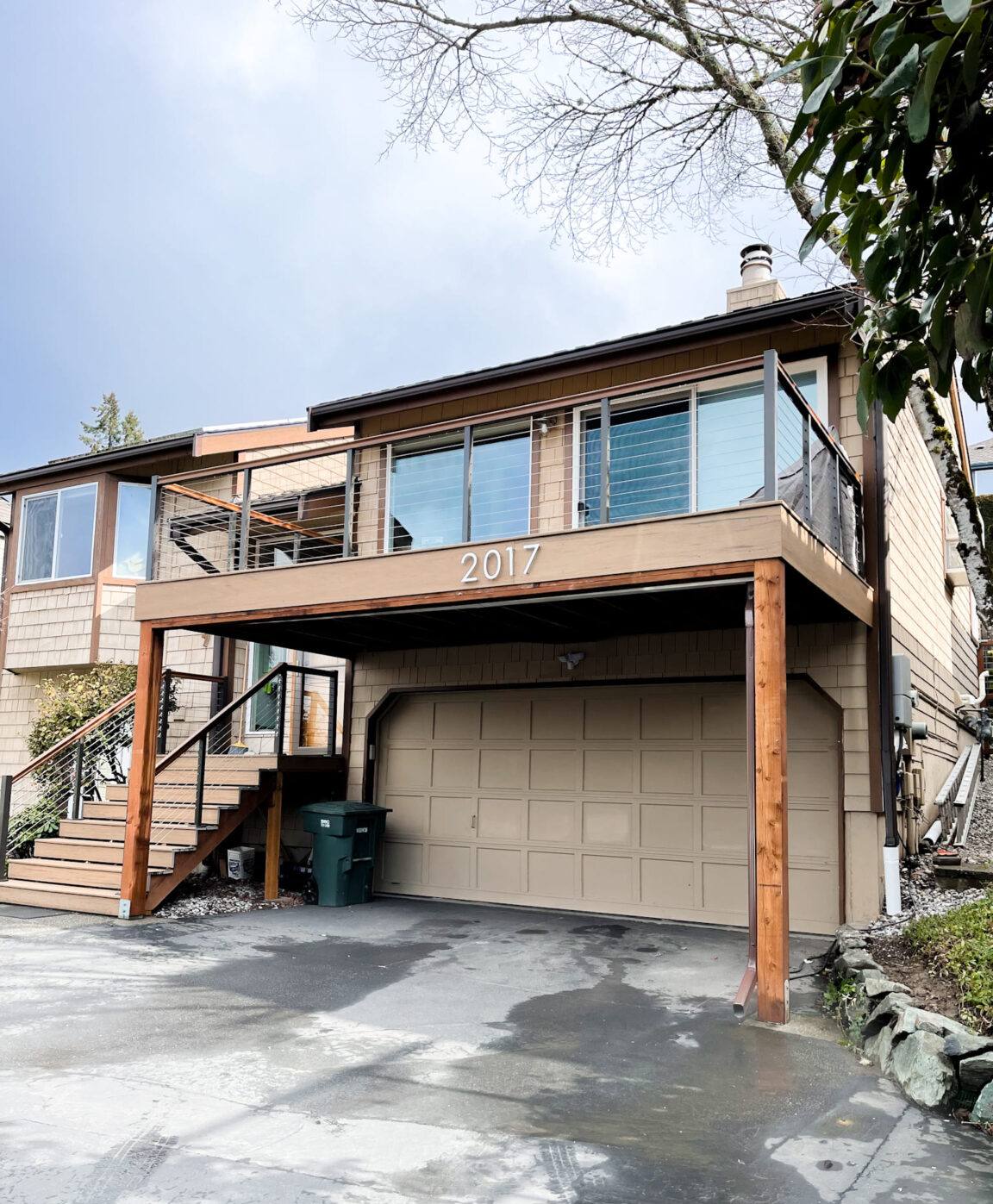
What Pinellas County Weather Actually Does to a Deck
UV and Heat
Florida sun is stronger and more constant than almost anywhere else in the country decking gets installed. Untreated or poorly capped decking materials chalk, fade, and go brittle under that kind of exposure. Surface temperatures on a south- or west-facing deck can climb well above the air temperature on a summer afternoon, which matters for both material stability and how comfortable the deck actually is to use.
Humidity and Organic Growth
Pinellas County's humidity rarely lets up, and a deck that stays damp under the boards or in shaded corners becomes a breeding ground for mildew and algae. Once growth gets a foothold on a porous surface, it's a recurring maintenance problem, not a one-time fix.
Salt Air
Being close to Tampa Bay and the Gulf means airborne salt reaches fasteners, brackets, and any exposed metal hardware, even well inland. Salt accelerates corrosion in the wrong fastener grade, and a rusting fastener under a composite board is a hidden problem until it fails.
Wind-Driven Rain and Storms
St. Petersburg's storm season brings sideways rain and sustained high wind, sometimes hurricane-force. A deck's ledger attachment, joist connections, and railing posts all have to be built to hold under wind load, and water has to be able to get off and out from under the structure fast, or it sits and does damage between storms.
Why Composite Decking Is a Strong Fit for This Neighborhood
Wood decking can work in Florida, but it asks a lot of a homeowner: annual sealing or staining, sanding down splinters and cupped boards, and watching for rot at fastener points and ground-contact areas. Skip a season of maintenance in this climate and a wood deck falls behind fast. Composite decking — especially capped composite, which wraps the core in a protective outer shell — doesn't need staining or sealing, resists moisture absorption into the board itself, and holds its color and surface texture much longer under constant UV. That doesn't mean composite is maintenance-free or immune to Florida weather; it means the maintenance burden shifts from "protect the material every year" to "keep it clean and keep water moving," which is a much easier standard for a homeowner to actually keep up with.
Color, Heat, and Comfort Underfoot
Board color isn't just a style choice here. Darker composite tones absorb more heat and can get genuinely hot underfoot on an unshaded, west-facing deck in July. Lighter and gray-toned boards run cooler and tend to show less surface chalking over time. We walk homeowners through that trade-off up front rather than letting color get picked on showroom looks alone, since it affects how usable the deck actually is on the hottest afternoons.
What a Correctly Installed Composite Deck Includes
The composite boards themselves get most of the attention, but most deck failures in this climate start below the surface — at the substructure, the flashing, and the fastening details. A deck built right here includes:
- Pressure-treated or otherwise moisture-resistant framing, sized and spaced to the manufacturer's span rating for the specific composite product being used
- Joist tape or another moisture barrier over the top of every joist, so the composite boards aren't sitting directly on damp, unprotected lumber
- Properly flashed ledger board attachment where the deck meets the house, so wind-driven rain can't work its way behind the siding or into the rim joist
- Corrosion-resistant, coastal-rated fasteners and structural hardware — not standard-grade hardware that will start rusting in salt air within a season or two
- Correct board spacing and consistent gapping, so water sheds through rather than pooling on the surface
- Adequate ventilation and clearance underneath the deck, so the space beneath can actually dry out between rain events instead of staying damp
- Hidden fastener systems installed to the manufacturer's spec, keeping the walking surface clean and reducing the exposed metal points salt air can attack
Skip any one of these and the composite boards can still look fine on the surface while the structure underneath is quietly failing — which is exactly the kind of problem that shows up as a soft spot or a loose railing a few years down the road, not on day one.
Composite vs. Wood vs. PVC: Cost and Performance Factors
There's no single right decking material for every home — it comes down to budget, how much upkeep you're willing to do, and how long you want the deck to last without major work. Here's how the three most common options compare for a Gulf Coast climate like Disston Heights':
| Factor | Wood | Composite | PVC / Cellular PVC |
|---|---|---|---|
| Upfront cost | Lowest | Mid-range | Highest |
| Annual maintenance | Sealing/staining, splinter and rot checks | Periodic cleaning, no sealing needed | Cleaning only |
| UV/fade resistance | Fades and grays without upkeep | Good, especially capped products | Very good |
| Moisture behavior | Absorbs water; can rot, cup, and warp | Resists absorption; core still moisture-sensitive if capping is damaged | Does not absorb moisture |
| Typical lifespan here | Shorter without consistent upkeep | Long with correct installation | Long; least affected by humidity |
Composite lands in the middle on most of these factors, which is why it's the material we recommend most often for Disston Heights homeowners who want a real reduction in upkeep without jumping to the top of the price range. Beyond the board material itself, total project cost depends on the condition of the existing substructure, whether the deck is elevated or ground-level, the railing style chosen, and the size and complexity of the layout — so a fair estimate has to look at all of that, not just quote a per-square-foot board price.
How We Approach a Composite Decking Project
- On-site assessment. We look at the existing structure (if there is one), grade and drainage around the area, sun exposure, and how the deck ties into the house before recommending anything.
- Product selection. We walk through composite options at different price points and explain the real trade-offs — not just color and style, but warranty terms and how each product handles heat and moisture.
- Permitting. Most new or replacement decks attached to a home in St. Petersburg and Pinellas County require a building permit and inspection. We handle that process rather than leaving it on the homeowner.
- Framing and substructure work. This is where the long-term durability actually gets decided — correct lumber, correct spacing, joist protection, and flashing done before a single composite board goes down.
- Installation. Boards, fastening system, railings, and any stairs or lighting go in to the manufacturer's installation specs, which matters for keeping the product warranty valid.
- Final walkthrough and inspection. We review the finished deck with the homeowner and make sure it passes any required local inspection before we consider the job done.
Why a Crew That Already Works in Disston Heights Matters
Disston Heights is an established St. Petersburg neighborhood with a mix of home ages and styles, which means every deck project starts from a different set of conditions — different foundation types, different existing framing to evaluate or tie into, different sun and drainage patterns from one lot to the next. A crew that already does regular work in this part of St. Petersburg has a feel for those patterns: what tends to need extra attention on older homes in the area, how local permitting and inspection actually runs in practice, and what fastener and framing specs hold up given how close this neighborhood is to the bay and the Gulf's salt air. That local familiarity shows up less in what gets promised and more in what gets caught before it becomes a problem — a drainage issue, a ledger attachment that needs extra flashing, a spot where the substructure needs more protection than the plans called for. It also means fewer surprises on permitting and scheduling, since we already know how that process tends to run for this part of the county.
Keeping a Composite Deck Sound in This Climate
Composite decking cuts the maintenance list way down compared to wood, but "low-maintenance" isn't "no-maintenance" in a climate like this one. A few habits keep a composite deck performing the way it's supposed to:
- Rinse the deck and sweep debris out of the gaps between boards regularly, especially after storms, so organic material doesn't sit and feed mildew growth
- Clean up standing water or leaf buildup in corners and against the house promptly rather than letting it sit
- Check railings, stair connections, and any visible fasteners once or twice a year for looseness or early corrosion
- Keep gutters and downspouts near the deck clear so runoff isn't dumping directly onto or under the decking
- Trim back vegetation that's shading the deck constantly and keeping it damp between rains
If you're weighing a new composite deck or need an existing one evaluated in Disston Heights, we're glad to take a look and walk you through honest options — no pressure, no obligation. The estimate is free; use the form below to get started.