 St. Petersburg Roofing
 Building Decks for One of St. Petersburg's Oldest Neighborhoods
Historic Old Southeast is one of the older residential pockets of St. Petersburg, and it shows in the housing stock: bungalows, Mediterranean Revival cottages, and mid-century homes sitting under mature oak canopy, many just blocks from the water. A deck built for a home like this has to do two jobs at once. It has to survive Pinellas County's climate — hurricane-force winds, intense year-round UV, wind-driven rain, and salt air off Tampa Bay — and it has to look like it belongs on a historic home rather than bolted onto it. Those two goals don't always pull in the same direction, and that's really the whole story of building a deck correctly in this neighborhood.
This page is about deck building specifically for Old Southeast, not a generic overview of decks in general. If you live in this neighborhood, the details below are the ones that actually matter for your project.
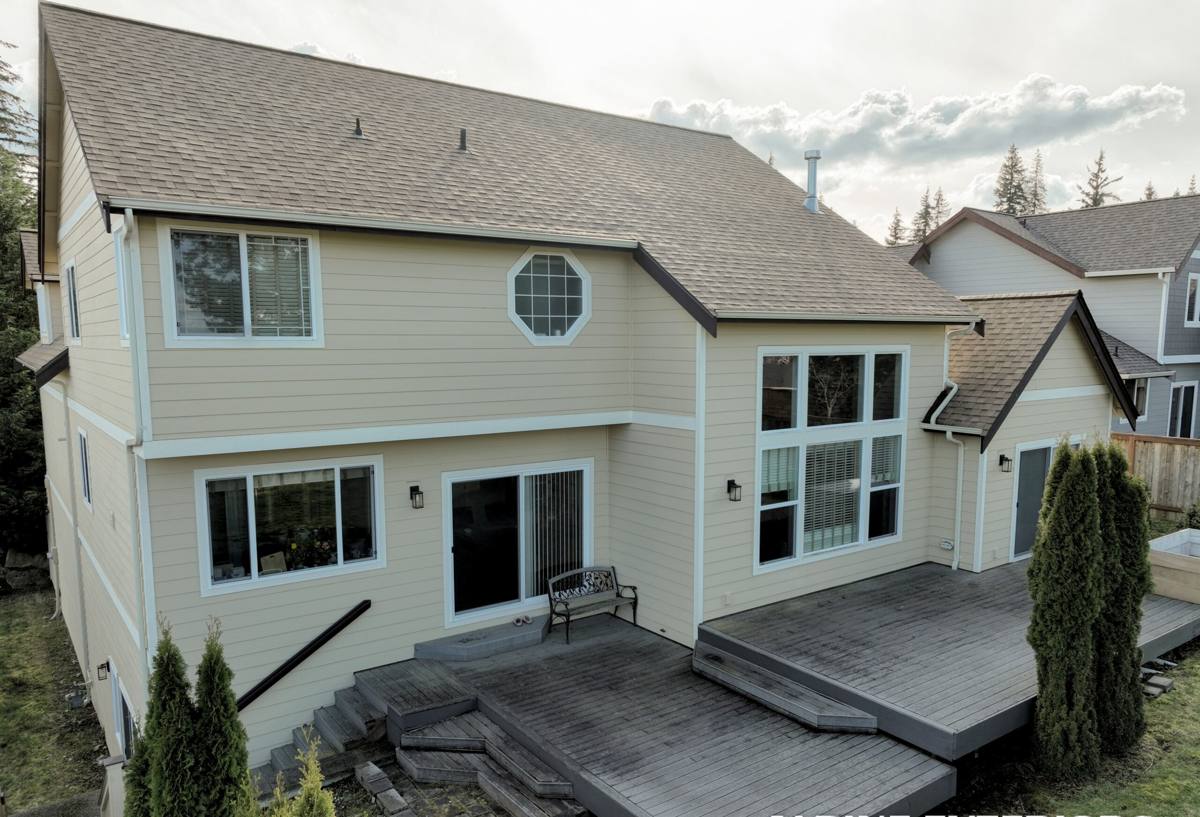
What Old Southeast Homes Need From a Deck
Older framing, older grading
Homes in this part of St. Petersburg were mostly built before modern deck-attachment standards existed. That means the rim joist or wall section a new deck ledger needs to attach to is often older lumber, sometimes already showing moisture damage from decades of Florida humidity. A correct deck build starts by actually inspecting that structure rather than assuming it's sound enough to bolt to.
Lot grading and drainage patterns in this older neighborhood also vary a lot from block to block. Flat lots with slow-draining soil need post footings and ledger flashing detailed differently than a lot that sheds water quickly toward the street or a swale.
Tree canopy and shade cycles
The oak canopy that gives Old Southeast its character also means many decks here spend part of the day in deep shade and part in direct sun. That uneven exposure accelerates uneven weathering — one section of decking will gray, cup, or mildew faster than the rest if the material and finish aren't chosen with that in mind. Fallen leaves and pollen from mature trees also hold moisture against the deck surface and around fasteners longer than an open, sunny lot would.
Proximity to the water
A meaningful share of Old Southeast sits close enough to Tampa Bay and Big Bayou that salt-laden air is a daily condition, not an occasional one. That salt air is one of the fastest ways to shorten the life of standard fasteners, hardware, and even some decking finishes if the wrong materials are used.
Historic District Considerations
Much of Old Southeast falls within a designated historic district in St. Petersburg, and exterior work that's visible from the street — including new decks in some cases — can be subject to design review before a building permit is issued. That review generally isn't about stopping a project; it's about keeping additions consistent with the character of the block, which usually means attention to visibility from the front, railing style, and how the structure reads against the original house.
Even where a deck is in the rear yard and not subject to that level of scrutiny, it still has to meet the same Florida Building Code requirements as anywhere else in Pinellas County: footing depth, guardrail height, baluster spacing, ledger attachment, and wind-load bracing all apply regardless of the neighborhood's historic status. A crew that hasn't dealt with this district's permitting process before can lose weeks just figuring out which review applies to a given lot — that's time and money that shouldn't come out of your project.
Materials That Actually Hold Up Here
There's no single "best" decking material — there's a best material for this climate, this budget, and this house. Here's how the common options actually perform under St. Petersburg conditions:
| Material | Upfront Cost | Salt Air / UV Durability | Maintenance | Fits Historic Look |
|---|---|---|---|---|
| Pressure-treated pine | Lowest | Good if sealed regularly; UV grays it fast if neglected | Needs re-sealing every 1–2 years in this sun | Yes, with paint or stain |
| Composite decking | Mid to high | Very good; resists salt corrosion and won't rot | Low — occasional washing | Depends on color/profile chosen |
| Tropical hardwood (e.g., ipe) | Highest | Excellent natural resistance to moisture and salt | Periodic oiling to hold color | Yes, reads as a premium natural material |
| Cedar | Mid | Fair; softer wood, more sensitive to standing water | Regular sealing needed | Yes, classic look |
For a lot of Old Southeast homes, the honest recommendation is composite for anyone who wants to spend their weekends doing something other than deck maintenance, or a well-sealed pressure-treated frame with a premium surface material where matching a historic wood look matters more than low upkeep. What we won't do is put down a wood species or fastener package that looks fine at handoff but is known to struggle with this area's combination of humidity, salt air, and sun — that's a maintenance headache we'd rather explain up front than have you discover in year two.
Fasteners and Hardware: Where Salt Air Does the Most Damage
More decks fail at the hardware than at the decking boards. Standard electro-galvanized screws and joist hangers corrode fast this close to the bay — sometimes within a few years — even when the wood itself is still in good shape. That corrosion is often invisible until a board comes loose or a connector fails under load.
- Stainless steel or hot-dip galvanized fasteners rated for coastal/ACQ-treated lumber use
- Structural connectors and hurricane ties sized to current Florida Building Code wind provisions for this zone
- Ledger flashing that actually sheds wind-driven rain away from the house band board, not just a bead of sealant
- Post bases that keep end-grain lumber off standing water and slab surfaces
- Concrete footings sized for both the vertical load and the uplift forces hurricane-force winds put on a deck structure
None of this is optional upgrade material in this location — it's the baseline for a deck that's still solid a decade from now instead of one that needs hardware replaced in five years.
Design That Respects the House
A deck on a 1920s bungalow shouldn't look like it was designed for a new-construction subdivision. Railing profile, baluster spacing and style, decking pattern, and even fastener visibility all affect whether a deck reads as an addition to the home or a mismatch bolted onto it. For Old Southeast projects we look at the home's existing trim, porch rail, and roofline details before settling on a deck design, and we keep sightlines from the street in mind given the historic district context described above.
Practical details matter just as much as style: stair placement relative to yard flow, railing height where the deck sits above grade, and how the deck ties into an existing porch or entry so the transition doesn't feel like an afterthought.
Our Deck-Building Process
- On-site assessment — we inspect the existing structure, grading, and any tree root or drainage issues before proposing a design.
- Design and material selection — we walk through material trade-offs honestly, including what fits the home's historic character and what fits the budget.
- Permitting — we handle the permit application and, where the property falls under design review, the paperwork that goes with it.
- Site prep and footings — footings are sized for Pinellas County wind-load requirements, not just minimum code.
- Framing — ledger, joists, and hardware are installed with coastal-grade fasteners and connectors throughout.
- Decking, railing, and stairs — installed to the agreed design, with attention to fastener spacing and drainage gaps.
- Final inspection and walkthrough — we schedule the required inspection and walk the finished deck with you before calling the job done.
Maintaining a Deck in This Climate
Even the right materials need some upkeep in a climate this demanding. UV exposure alone will fade or gray untreated wood within a season or two, and salt air accelerates hardware corrosion regardless of decking material. A short, realistic maintenance routine goes a long way:
- Rinse salt residue and organic debris (leaves, pollen) off the deck surface periodically, especially after storms
- Reseal or re-stain wood decking on the schedule the product actually calls for — don't stretch it to save a season
- Check visible fasteners and connectors once or twice a year for early rust or loosening
- Keep gutters and downspouts near the deck clear so runoff isn't draining directly onto footings or ledger flashing
- Trim back tree limbs that hold moisture against the deck surface or drop heavy debris in storms
Why a Local Old Southeast Crew Makes a Difference
A deck builder who hasn't worked this neighborhood before is starting from zero on the things that matter most here: which streets fall inside the historic review boundary, how the city's permitting office handles a deck application on an older structure, what the soil and drainage typically look like on a given block, and which materials genuinely hold up against this stretch of Tampa Bay's salt air versus which ones just look good on a spec sheet. A crew that already works in Old Southeast has been through that permitting process, has seen how the older framing in these homes typically holds up, and isn't guessing at what the wind and salt exposure will do to a given material over five or ten years.
That familiarity shows up as fewer surprises during the project — permit delays, hardware substitutions, or design pushback are the kind of thing a local crew has already worked out on prior jobs in this same part of St. Petersburg.
Get a Free, No-Pressure Estimate
If you're planning a new deck or replacing an aging one in Historic Old Southeast, we're glad to come take a look, walk you through what your specific lot and home will need, and give you an honest estimate — no pressure, no obligation. Use the form below to get started.