 St. Petersburg Roofing
 Metal Roofing for Childs Park, St. Petersburg
Childs Park is one of St. Petersburg's older, established neighborhoods, and a lot of the homes here carry roofs that have already been through more than one Florida summer. When it's time to replace one, more homeowners in this part of Pinellas County are asking about metal instead of another round of asphalt shingles. The reasons are practical: a correctly installed metal roof handles wind uplift better, sheds the heavy afternoon rain we get every summer, and doesn't absorb heat the way a dark shingle roof does. This page covers what that actually means for a Childs Park home, what a correct metal roofing job involves, and how we approach the work.
This is not a general overview of metal roofing as a product category. It's specific to what a metal roof needs to do on a house in this neighborhood, given our climate, our storm exposure, and the age and construction of homes in this part of St. Petersburg.
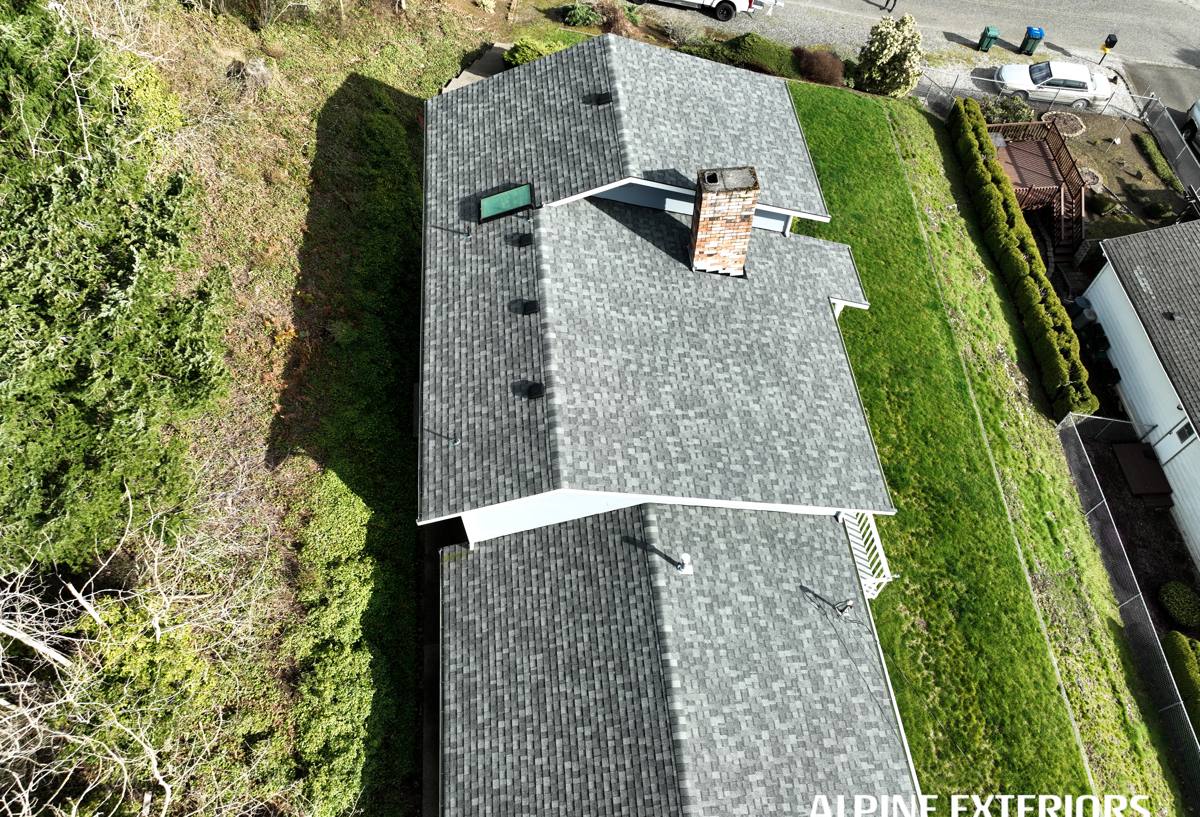
Why the Local Climate Matters More Than the Brand of Metal
St. Petersburg sits on a peninsula, and Childs Park isn't far enough inland to escape the effects of that. Four things wear on a roof here more aggressively than in most of the country:
- Hurricane-force wind: Pinellas County roofs need to resist uplift, not just shed water. A roof that looks fine in a light storm can fail at the edges and ridge in a real one if it wasn't fastened and flashed correctly.
- Year-round UV exposure: Florida sun is intense nearly every month of the year, not just in summer. Materials and finishes that aren't rated for that exposure degrade faster here than the same product would somewhere with a real winter.
- Wind-driven rain: Our storms don't just drop rain straight down — wind pushes it sideways and up under edges, laps, and fasteners. A roof system has to be built assuming water will be pushed where gravity alone wouldn't take it.
- Salt air: Being close to Tampa Bay and the Gulf means airborne salt is a constant, low-level factor on metal, fasteners, and flashing, even at a distance from the water. It accelerates corrosion on the wrong materials and finishes.
None of these are unique to Childs Park, but taken together they're why a roofing job done to a generic national standard often underperforms here. The right approach accounts for all four at once.
What a Correct Metal Roof Installation Actually Involves
Metal roofing has a reputation for durability, and it's earned — but only when it's installed correctly. Metal roofs fail early for predictable reasons: skipped deck repairs, wrong or missing underlayment, incorrect fastening patterns, and rushed flashing work. Here's what we treat as non-negotiable.
Deck Inspection and Repair
Metal roofing is only as good as the deck underneath it. Before any panels go down, we check for soft spots, rot, and old fastener damage from the previous roof. On older Childs Park homes, this step sometimes uncovers issues from decades-old repairs that were covered over rather than fixed. Skipping this step to save time is one of the most common causes of early metal roof problems, and we won't install over a deck that isn't sound.
Underlayment
Metal roofs need a self-adhered, high-temperature underlayment — not the felt paper that's still common under shingle roofs. Metal panels transmit heat differently than shingles, and a standard felt underlayment can degrade under that heat over time. In wind-driven rain, underlayment is also your last line of defense if wind ever gets water up under a panel lap or around a penetration.
Fastening and Panel Attachment
This is where wind performance is won or lost. Fastener spacing, type, and placement all need to match the wind uplift requirements for our area — not a generic national minimum. Exposed-fastener systems and concealed-fastener (standing seam) systems have different attachment logic entirely, and mixing techniques between them is a common source of failure.
Flashing and Penetrations
Valleys, wall transitions, pipe boots, and any roof penetration are where most leaks originate on any roof type, metal included. Flashing has to be formed and layered correctly so water is always directed out and down, never trapped or forced sideways under wind pressure. This is detail work that takes time to do right, and it's often where corners get cut on rushed jobs.
Comparing Metal Roofing Systems
Not all metal roofing is the same, and the right system depends on your roof's pitch, budget, and how long you plan to be in the home. Here's an honest comparison of the main options we install.
| System | Typical Use | Wind & Water Performance | Maintenance |
|---|---|---|---|
| Standing seam (concealed fastener) | Most residential roofs, especially where long-term performance matters most | Strongest option; fasteners are hidden under the seam and protected from direct weather | Low — no exposed fasteners to re-seal over time |
| Exposed-fastener panel | Lower-slope applications, secondary structures, budget-conscious projects | Good if installed and maintained correctly; exposed fasteners are a maintenance point | Moderate — fastener washers can need attention over the life of the roof |
| Metal shingles/tile profile | Homeowners who want a traditional look with metal's durability | Comparable to standing seam when installed with proper underlayment and flashing | Low to moderate depending on profile |
For most Childs Park homes, we recommend standing seam when budget allows, specifically because the concealed fasteners hold up better against the combination of salt air and wind-driven rain. Exposed-fastener systems aren't a bad choice — they're a legitimate, more affordable option — but they do require more attention over time, and that's a tradeoff we'll walk you through honestly rather than oversell.
Metal Panel Materials and Finishes
The panel material and coating matter as much as the profile. Steel panels with a quality painted finish are the most common residential choice and hold up well in coastal climates when the coating is rated for it. Aluminum resists corrosion inherently and is worth considering for homes closest to the water, though it comes at a higher cost. Whatever material is used, we pay attention to the finish warranty and how it's rated for salt air exposure — a finish that isn't built for coastal conditions will chalk, fade, or corrode noticeably faster here than it would inland.
Fastener and flashing material matters just as much as the panels themselves. Mismatched metals in contact with each other can cause galvanic corrosion, which shows up as pitting or staining well before the roof's expected lifespan is up. We match fasteners and flashing to the panel material for this reason, every time.
Our Process, Start to Finish
- Free on-site inspection: We look at your current roof, deck condition, and any problem areas before quoting anything.
- Written estimate: A clear breakdown of scope, materials, and cost — no vague allowances.
- Deck prep and repair: Any rot or soft spots are addressed before installation begins, not discovered and glossed over mid-job.
- Underlayment and flashing installation: Done to match our region's wind and rain exposure, not a generic minimum spec.
- Panel installation: Fastening pattern and technique matched to the system you've chosen.
- Final walkthrough: We review the finished roof with you, including how to spot normal wear versus something worth calling about.
- Cleanup: Job site and yard cleared of old material, nails, and debris.
What Metal Roof Maintenance Looks Like Here
One of the advantages of metal is that it needs far less routine maintenance than shingles, but "less" doesn't mean "none," especially with salt air and storm exposure in the mix. A simple seasonal routine goes a long way:
- Visually check for loose or lifted panel edges after any major wind event
- Look at exposed fasteners (if applicable) for signs of backing out or rust staining
- Keep valleys and gutters clear of leaves and debris so water doesn't pool or back up
- Check sealant around penetrations — pipe boots, vents, and flashing — once a year
- Rinse off salt buildup periodically if your home is closer to the water
- Have the roof inspected after any storm that produced sustained high winds
None of this requires a specialist visit every few months — it's a short list most homeowners can check themselves, with a professional inspection as backup after major weather.
Cost Factors to Expect
Metal roofing costs more upfront than asphalt shingles, and the total depends on several variables specific to your home. We won't quote a number without seeing the roof, but here's what drives the price up or down.
| Factor | Effect on Cost |
|---|---|
| Roof size and pitch | More material and more complex cutting/fitting increases labor time |
| Deck condition | Rot or damage found during tear-off adds repair cost before install can proceed |
| System type | Standing seam typically costs more than exposed-fastener panel systems |
| Number of penetrations and valleys | Each one adds flashing labor and material |
| Panel material | Aluminum generally costs more than steel but resists corrosion better near the water |
Broadly, metal roofing tends to run well above asphalt shingle pricing per square, but it also typically lasts multiple decades longer when installed correctly, which changes the real cost comparison over time. We'll walk through these factors specifically for your roof during the estimate rather than quoting a number in the abstract.
Why It Matters That We Already Work in Childs Park
Roofing crews that work the same neighborhoods repeatedly get a feel for the housing stock — the typical roof pitches, deck conditions, and problem areas that show up on homes of a certain age or construction type in that area. That familiarity shows up in faster, more accurate estimates and fewer surprises once a tear-off starts. It also means we're not guessing at how a roof needs to perform against Pinellas County wind and rain; we're building to what we've already seen hold up and what hasn't.
Being local also matters after the job is done. If a question comes up after a storm, or you want a fastener checked a year or two down the line, you're calling a crew that's still working in the area, not chasing down someone who did a one-off job and moved on.
Get a Straight Answer About Your Roof
If your Childs Park home has a roof that's aging, storm-damaged, or you're just weighing metal against another shingle replacement, we're happy to take a look and give you an honest read on your options. There's no pressure and no obligation — just a clear inspection and a straightforward estimate using the form below.