 St. Petersburg Roofing
 Storm Damage Roof Repair for Bartlett Park Homes
Bartlett Park sits close enough to Tampa Bay that its roofs absorb everything the Gulf Coast throws at St. Petersburg: tropical storm winds, wind-driven rain that finds every weak seam, and the kind of year-round UV exposure that ages shingles faster than almost anywhere else in the country. When a storm passes through Pinellas County, the damage isn't always obvious from the ground. A roof can look fine from the street and still be leaking into the attic, losing granules, or holding water under lifted shingles that will fail completely the next time wind gets under them.
We work on homes in Bartlett Park regularly, which means we already know the kind of roofing common to this part of St. Petersburg, the age range of most of the housing stock, and the specific ways storms tend to damage it. That local familiarity matters when you're trying to get a repair done right instead of just patched.
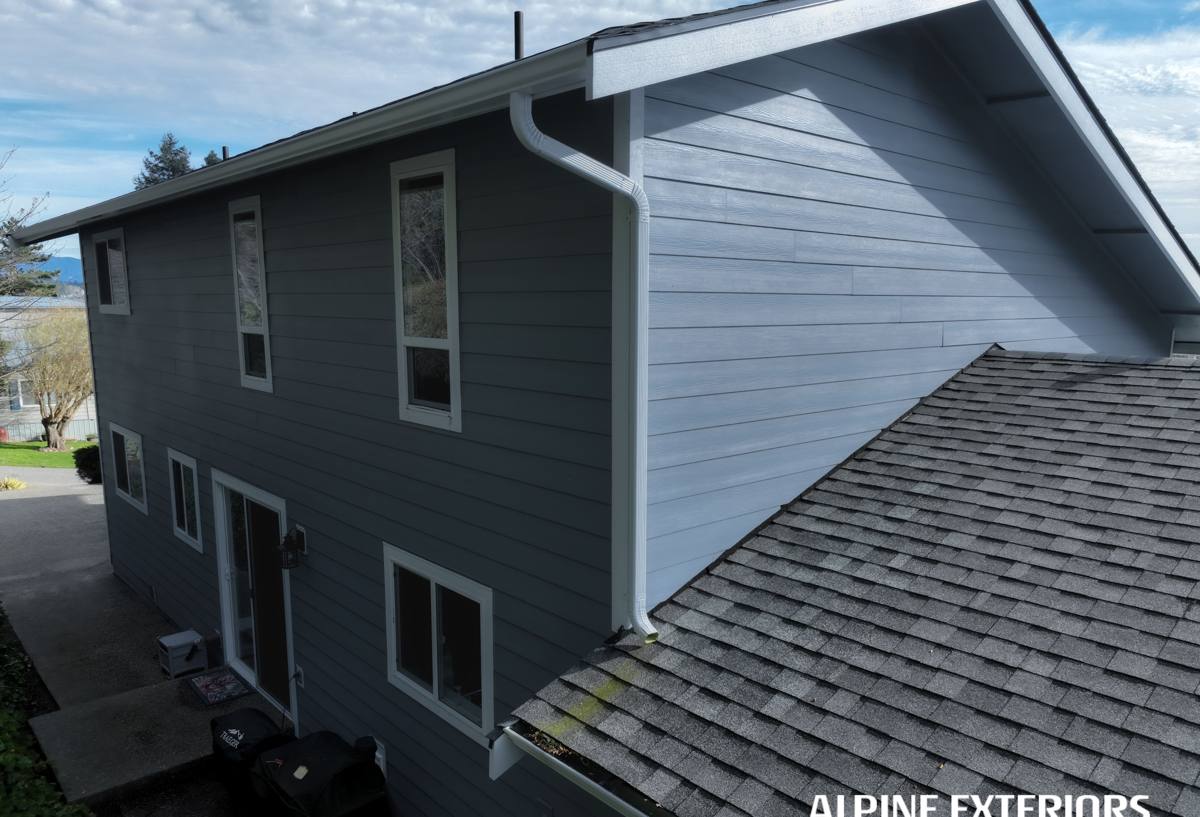
Why Bartlett Park Roofs Take Extra Punishment
St. Petersburg's climate is hard on roofing in a few specific ways, and Bartlett Park doesn't get a pass on any of them:
- Hurricane and tropical storm winds lift shingle edges, tear off ridge caps, and stress flashing at every roof penetration.
- Wind-driven rain doesn't just fall straight down — it gets pushed sideways and upward under shingles, siding laps, and flashing that would keep out a normal rain.
- Intense, near-daily UV exposure breaks down asphalt shingle oils and rubber seals faster than in northern climates, making materials brittle and more prone to cracking during wind events.
- Salt air drifting in off Tampa Bay accelerates corrosion on exposed metal — nail heads, flashing, vent boots, and gutter hardware all rust faster here than inland.
None of these factors act alone. A roof that's already UV-brittle from years of Florida sun is far more likely to crack and tear in a wind event than a newer roof would be. That's why storm damage assessments have to account for the roof's age and condition, not just what happened during the last storm.
What Actually Counts as Storm Damage
Wind Damage
Lifted, creased, or missing shingles are the most visible sign, but wind damage often extends beyond what's missing. Shingles that got lifted and re-sealed by the sun can look normal but have broken seals underneath, which means the next storm will finish the job. Ridge caps and hip shingles, being the most exposed, are usually the first to go.
Water Intrusion
Wind-driven rain exploits any gap — around chimneys, skylights, vent pipes, and wherever flashing has started to separate from the roof deck. Water intrusion doesn't always show up as an obvious ceiling stain right away; it can travel along rafters or insulation before it becomes visible inside the home.
Granule Loss and UV-Related Wear
Hail and heavy wind-blown debris knock granules off asphalt shingles, exposing the asphalt layer underneath to direct UV. Once that protective layer is gone in a spot, that section of shingle degrades much faster than the rest of the roof, even without another storm.
Soffit, Fascia, and Gutter Damage
These components take a lot of wind load and often get overlooked in a roof-only inspection, but damage here lets water into the eaves and fascia board, leading to rot that spreads quietly behind the gutter line.
What a Correct Storm Repair Actually Involves
A rushed storm repair — a few new shingles and a bead of sealant — often just delays the next leak. A correct repair addresses the underlying cause, not just the visible symptom.
| Repair Type | What's Involved | Best For |
|---|---|---|
| Spot shingle repair | Replace individual damaged shingles, re-secure lifted ones, reseal exposed nail heads | Isolated wind damage on an otherwise sound, newer roof |
| Flashing repair | Remove and reinstall flashing at chimneys, walls, skylights, or vent penetrations with new underlayment | Leaks traced to a specific penetration point rather than the field of the roof |
| Section replacement | Strip and replace a full slope or section down to the deck, including underlayment | Concentrated damage, exposed decking, or granule loss over a wide area |
| Deck repair | Replace water-damaged or rotted plywood decking before re-roofing that section | Any repair where water has been sitting under shingles for an extended period |
The right call between these depends on what we actually find during inspection — not on what's fastest or cheapest to quote. We'll tell you plainly if a section needs full replacement rather than a patch, and just as plainly if a patch is genuinely sufficient.
Our Process for Bartlett Park Homeowners
1. Inspection
We walk the full roof, not just the area you noticed damage on, since wind and rain damage is frequently worse on the side of the house facing the storm's direction than on the side you can see from the driveway. We check shingles, flashing, vents, ridge lines, and the attic from the inside when accessible.
2. Documentation
We photograph and note specific damage with enough detail to support an insurance claim if you're filing one — dated, itemized, and tied to the storm event where possible.
3. Written Scope and Options
You get a clear explanation of what's damaged, what's causing it, and what repair options make sense, including honest trade-offs between a targeted repair and a fuller replacement of the affected section.
4. Repair
Work is done to match your existing roofing material and profile as closely as possible, with proper underlayment and flashing detail — not just surface patching.
5. Follow-Up
After significant storms in the area, it's worth a quick recheck, particularly on repairs made under time pressure during hurricane season when materials and crews are stretched thin across the region.
Repair or Replace? Cost Factors to Weigh
Homeowners in Bartlett Park often ask whether it's worth repairing storm damage on an older roof or moving straight to replacement. There's no universal answer, but these are the factors that should drive the decision:
| Factor | Leans Toward Repair | Leans Toward Replacement |
|---|---|---|
| Roof age | Under 10-12 years | Nearing or past manufacturer's expected lifespan |
| Extent of damage | Isolated to one area or slope | Spread across multiple slopes or the whole roof |
| Decking condition | Dry, solid decking under damaged shingles | Soft or water-stained decking found during inspection |
| Shingle condition elsewhere | Rest of roof still flexible, granules intact | Widespread UV brittleness or granule loss beyond the storm-damaged area |
| Insurance coverage | Claim covers repair scope adequately | Claim supports full slope or roof replacement |
Working With Your Insurance Claim
Storm damage repairs in Pinellas County frequently involve an insurance claim, and the documentation matters as much as the repair itself. Adjusters need to see clear evidence tying the damage to a specific storm event, not just general wear. We provide the kind of photo documentation and written scope that holds up in that process, and we'll walk you through what's typically covered versus what falls under normal maintenance — insurers draw that line carefully, and it's better to know where it sits before repairs start than after.
Why Local Bartlett Park Experience Matters
A roofing crew that already works in Bartlett Park and the surrounding St. Petersburg neighborhoods brings a few real advantages over a crew coming in from out of the area for storm work:
- Familiarity with the common roofing materials and ages found in this part of Pinellas County
- Faster response after a storm, since we're not driving in from across the region
- Experience with local permitting and inspection requirements for storm repairs
- A track record you can check locally, not just an out-of-town crew that showed up after the storm and will be gone before hurricane season ends
After major storms, it's common for traveling repair crews to canvass affected neighborhoods, do fast, low-quality patch work, and move on before problems surface. A local crew has a reputation in the community to protect and is still here for the follow-up.
What to Do Right After a Storm
- Photograph any visible damage from the ground — don't get on the roof yourself
- Check the attic and ceilings for new water stains or damp insulation
- Note the date and general conditions of the storm for insurance purposes
- Cover any active leak temporarily if it's safe to do so, but avoid climbing onto a wet or wind-damaged roof
- Get an inspection scheduled promptly — delayed inspection can mean delayed insurance claims and more secondary water damage
- Avoid signing any contract on the spot with a door-to-door crew you haven't vetted
If your Bartlett Park home has visible or suspected storm damage, we're glad to take a look and give you a straight assessment — no pressure, no obligation. Fill out the form below to schedule a free estimate.