 St. Petersburg Roofing
 New Roof Installation for Bartlett Park Homes
Bartlett Park is one of St. Petersburg's older residential neighborhoods, and that means a lot of its housing stock is carrying roofs that were installed decades ago, sometimes with a layer or two of history underneath the current shingles. When a roof in this part of Pinellas County reaches the end of its life, a full replacement is usually the more honest answer than another round of patch repairs. A new roof installation is a chance to correct old mistakes in ventilation, flashing, and attachment, and to bring the home up to the wind and water standards this coastal climate actually demands.
This page is specifically about full roof replacement for Bartlett Park properties — not repairs, not maintenance. If your roof is still sound and just needs attention in a few spots, replacement isn't the right move yet. But if you're seeing widespread granule loss, multiple leak points, soft decking, or a roof that's simply past its rated service life, it's worth understanding what a correct installation involves before you get quotes.
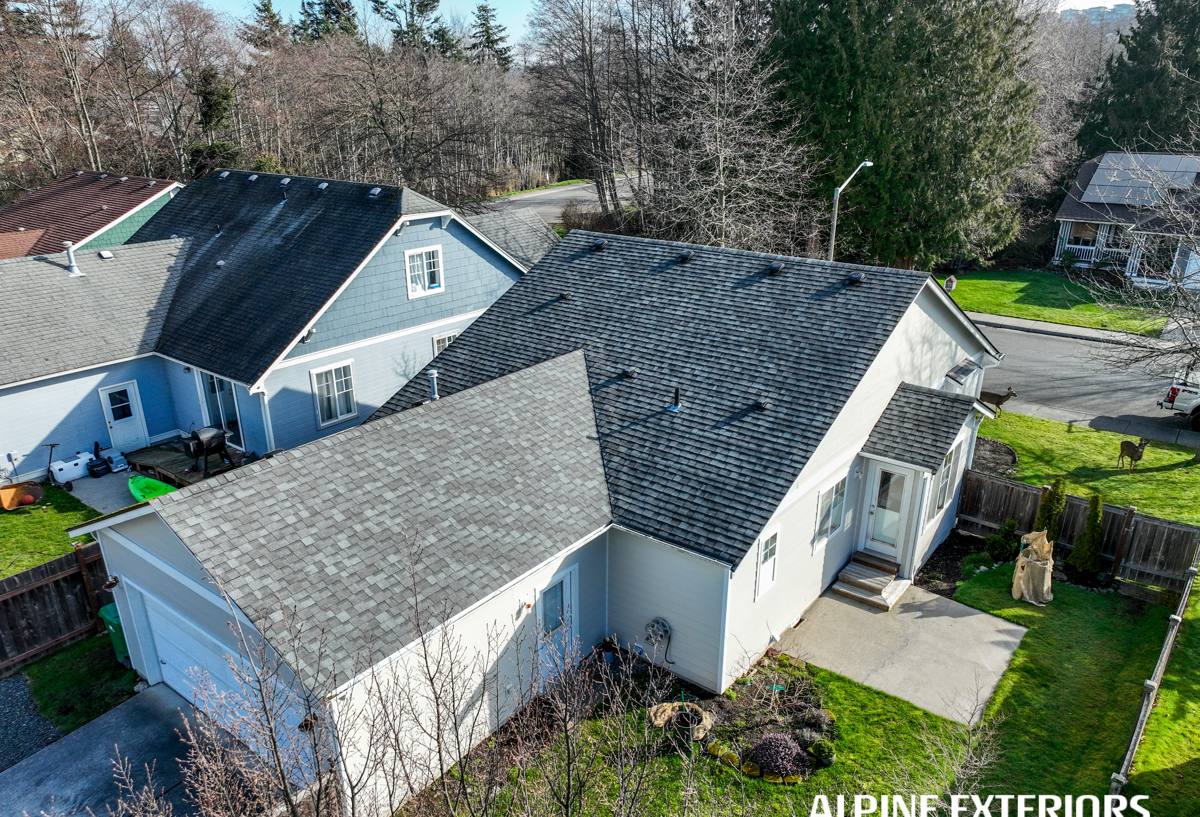
Why Older St. Petersburg Neighborhoods Need a Different Approach
Homes in established St. Petersburg neighborhoods like Bartlett Park often have roof framing and decking that predates modern building code. That's not a defect — it's just the reality of a neighborhood built up over many decades. It does mean a proper new roof installation has to account for a few things a newer subdivision wouldn't:
- Original roof decking may be thinner or spaced differently than current code allows, requiring re-decking in some areas rather than roofing over it.
- Older homes sometimes have irregular rooflines, multiple additions, or valleys that weren't detailed correctly the first time.
- Attic ventilation on older homes is frequently undersized or blocked, which shortens the life of whatever roof goes on top.
- Electrical, plumbing vents, and chimneys added over the years often have flashing that was never properly integrated into the roof system.
None of this is a reason to worry — it's a reason to make sure whoever replaces your roof actually inspects the deck and structure before assuming a standard install will work.
What Pinellas County Climate Does to a Roof
St. Petersburg sits on a peninsula, and Bartlett Park's proximity to Tampa Bay means the roof over your head deals with more than just sun. Four things drive wear here specifically:
Hurricane-Force Wind
Pinellas County roofs need to handle uplift, not just rain. Wind gets under loose or improperly fastened shingles at the edges and corners first, which is why fastening pattern, starter strip installation, and edge metal matter more here than in most parts of the country.
Year-Round UV Exposure
Florida sun is intense nearly every month of the year. UV breaks down asphalt oils and degrades sealants faster than in northern climates, which is a major reason shingle roofs here often don't reach their full rated lifespan without ventilation and material choices that account for heat buildup.
Wind-Driven Rain
It's not just how much rain falls — it's the angle it falls at during a storm. Wind-driven rain finds gaps in flashing, underlayment laps, and valley details that would never leak in a calm rainstorm. This is where installation quality matters more than material grade.
Salt Air
Being close to the bay means metal components — fasteners, flashing, vents, drip edge — are exposed to a corrosive salt-laden atmosphere. Using the wrong grade of metal or fasteners is a slow, invisible mistake that shows up as rust stains and failed flashing years down the road.
What a Correct New Roof Installation Includes
A roof replacement is more than removing old shingles and nailing down new ones. Done correctly, the process addresses the whole system:
Tear-Off and Deck Inspection
Full removal of the existing roofing down to the deck, followed by an actual inspection of every sheet of decking. Soft, delaminated, or water-damaged decking gets replaced — not skipped over.
Underlayment
A synthetic or self-adhering underlayment appropriate for this climate, with attention to lap direction and fastening so it can do its job as a secondary water barrier if wind ever lifts the primary roofing.
Flashing and Penetrations
New flashing at walls, chimneys, skylights, and any roof penetration — not caulk smeared over old flashing. This is one of the most common places older Bartlett Park roofs fail, and it's one of the easiest things to get right during a full replacement.
Fastening for Wind Resistance
Nailing pattern and fastener count matched to the wind zone this part of St. Petersburg falls under, not a generic minimum. Starter strips, hip and ridge details, and edge metal all get the same attention.
Attic Ventilation
Balanced intake and exhaust ventilation so heat and moisture don't sit against the underside of the new roof deck. This single item has more impact on how long a Florida roof actually lasts than most homeowners realize.
Comparing Common Roofing Materials for This Area
Material choice matters, but installation quality matters more — a premium material installed poorly will underperform a mid-grade material installed correctly. That said, here's an honest look at how the common options stack up for a coastal Pinellas County home:
| Material | Typical Lifespan Here | Wind Performance | Maintenance Notes |
|---|---|---|---|
| Architectural asphalt shingle | 15-25 years | Good, when properly fastened and rated for high wind | UV and heat are the main aging factors; periodic inspection recommended |
| Standing seam metal | 30-50 years | Excellent uplift resistance with correct clip spacing | Low maintenance; fastener and coating quality matter near salt air |
| Concrete or clay tile | 30-50 years | Very good when properly attached; individual tiles can crack under impact | Underlayment failure is the real long-term risk, not the tile itself |
| 3-tab asphalt shingle | 10-15 years | Lower wind rating than architectural shingles | Cost savings up front, shorter service life in this climate |
We'll walk through which option fits your home, your roofline, and your budget honestly — including the trade-offs, not just the upsides.
Our Process for Bartlett Park Roof Replacements
- On-site inspection. We look at the roof from the ground and, where safe, up close — checking deck condition indicators, flashing points, and ventilation.
- Honest scope and estimate. You get a clear breakdown of what's included: tear-off, decking allowance, underlayment, flashing, ventilation, and material.
- Permitting. St. Petersburg requires permits for roof replacement, and inspections are part of the process — we handle the paperwork and schedule inspections at the required stages.
- Material delivery and site prep. Landscaping and property protection before anything comes off the roof.
- Tear-off and deck repair. Full removal, deck inspection, and replacement of any compromised sheathing.
- Installation. Underlayment, flashing, and the new roofing system installed to manufacturer specs and local wind requirements.
- Final walkthrough and cleanup. Site cleared, magnetic sweep for stray fasteners, and a final review with you before we call the job done.
Why Local Experience in Bartlett Park Matters
A crew that regularly works in this neighborhood already understands the age range of the housing stock, the common roofline quirks from additions over the years, and what St. Petersburg's permitting and inspection process actually requires. That familiarity shows up in fewer surprises during tear-off, fewer change orders, and a scope that's accurate from the first estimate instead of growing once the old roof comes off. It also means a crew that's used to coordinating around the tight lots and older infrastructure common in this part of the city.
Signs Your Bartlett Park Roof May Need Replacement, Not Repair
- Shingles are curling, cupping, or losing granules across large sections rather than in one isolated spot
- Multiple leaks have shown up in different areas over the past year or two
- The roof is at or past its material's typical service life for this climate
- Soft spots or sagging are visible in the roofline
- Previous repairs haven't held, or you're calling for a repair more than once a year
- Your insurance company has flagged the roof's age during a renewal or inspection
If only one or two of these apply, a targeted repair may still make sense. If several apply at once, replacement is usually the more cost-effective path over the next five to ten years.
What Affects the Cost of a New Roof
| Factor | Why It Matters |
|---|---|
| Roof size and pitch | More square footage and steeper pitches mean more material, labor, and safety setup |
| Deck condition | Rotten or delaminated decking found during tear-off adds material and labor to replace it |
| Material choice | Asphalt, metal, and tile carry different upfront costs and different lifespans |
| Roof complexity | Valleys, dormers, chimneys, and skylights all add flashing detail and labor time |
| Ventilation upgrades | Correcting undersized or blocked ventilation on an older home adds a modest cost with a real payoff in roof longevity |
We give you a written estimate broken out by these factors so you can see exactly where your money is going, not just a single lump-sum number.
Get a Free, No-Pressure Estimate
If your Bartlett Park home's roof is showing its age, we're happy to take a look and give you a straightforward assessment — no pressure, no scare tactics. Fill out the form below to schedule a free estimate and get a clear picture of your options.