 St. Petersburg Roofing
 Asphalt Shingle Roofing Built for Bartlett Park, Not Just Florida
Bartlett Park homes deal with the same conditions as the rest of St. Petersburg, but a roof here still has to answer to its own address: the age and pitch of the housing stock in this part of the city, the tree cover on some lots, and the day-in, day-out exposure that comes with living in Pinellas County. A shingle roof that's "fine for Florida" in general terms isn't automatically fine for this specific block. We install and repair asphalt shingle roofs in Bartlett Park regularly, which means we're not guessing at how these houses perform in a storm or after fifteen summers of sun — we've already seen it.
This page covers what an asphalt shingle roof actually needs to hold up here, what a correct installation involves, and how our process works from first call to final walkthrough.
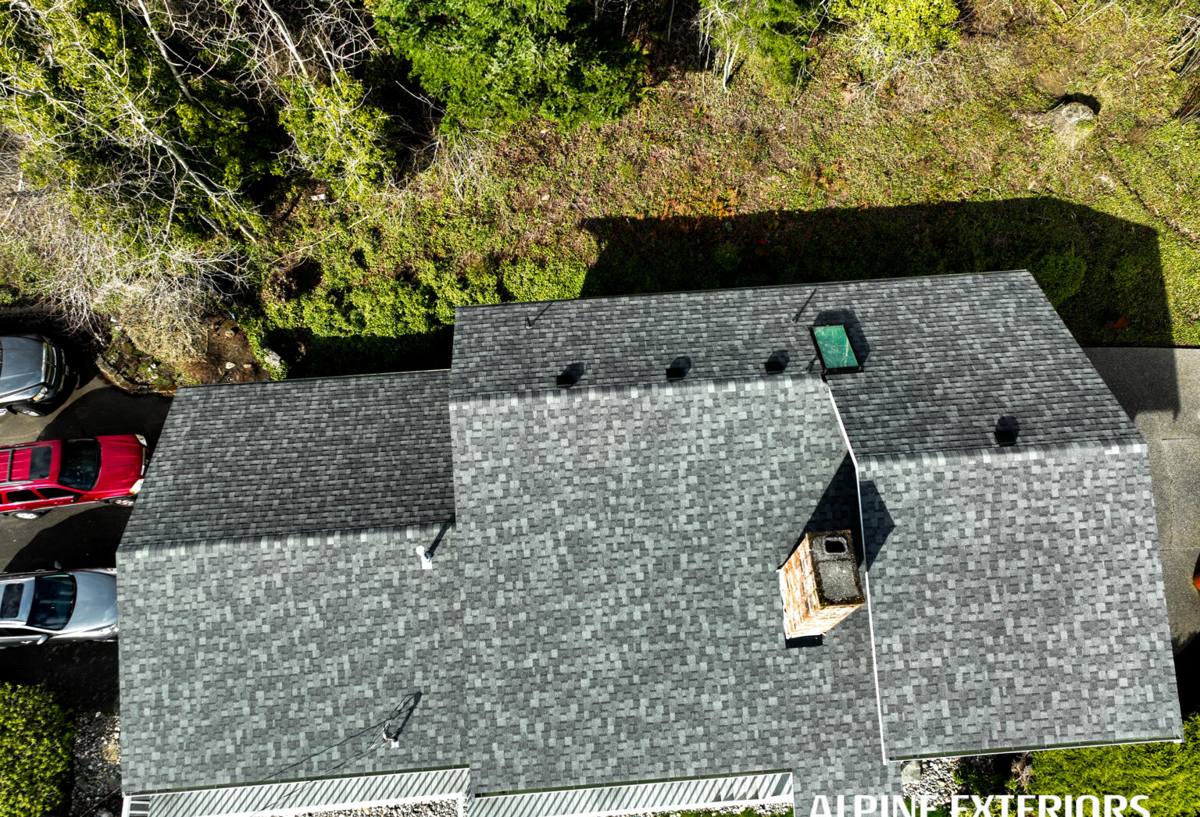
What St. Petersburg's Climate Actually Does to a Shingle Roof
It's easy to say "hot and stormy" and move on, but each stress on a roof shows up in a different, specific way:
Hurricane-Force and Straight-Line Wind
Shingles fail at the edges first. Wind gets under a tab that isn't sealed or nailed correctly, and once one shingle lifts, it can peel its neighbors like a zipper. Roof edges, hips, and ridges — where wind uplift is strongest — are where cheap installs cut corners and where correct installs earn their keep.
Year-Round, High-Angle UV
Florida sun isn't seasonal the way it is up north. Asphalt shingles lose oils and granules to UV exposure every month of the year, not just in summer. That accelerates brittleness, which is why a shingle rated for 25-30 years elsewhere can show its age sooner here if the product or ventilation wasn't matched to the climate.
Wind-Driven Rain
Pinellas County storms rarely come straight down. Wind pushes rain sideways and under shingle tabs, into nail penetrations, and along flashing edges. A roof can look intact from the ground and still be letting water in at the details — valleys, sidewalls, and pipe boots — because that's where wind-driven rain finds its way in.
Salt Air
Being close to Tampa Bay means airborne salt settles on every exterior surface, roofs included. It accelerates corrosion on exposed metal fasteners, flashing, and vent components. Roofing hardware that isn't rated for coastal exposure corrodes faster here than it would inland, and corroded fasteners are a quiet cause of loosened shingles.
None of this means a shingle roof is a bad choice for Bartlett Park — asphalt shingles remain one of the most practical, cost-effective options for this climate when they're installed with these specific stresses in mind. It just means the details matter more here than they would in a milder climate.
What a Correct Installation Actually Involves
A shingle roof is a system, not a single product. Skipping or downgrading any layer weakens the whole thing, even if the shingles themselves are top quality.
Underlayment
Synthetic underlayment, installed with proper overlap and fastening, is the roof's backup water barrier if wind or wear compromises the shingles above it. In a wind-driven rain climate, this layer is not optional insurance — it's a working part of the system.
Fastening Pattern and Nail Placement
Manufacturer nailing patterns exist for a reason, and high-wind zones like ours call for the tighter end of those specs: correct nail count, correct placement on the nailing strip, and hand-nailing in tricky spots rather than relying purely on a nail gun set for speed. This is the single biggest factor in whether shingles stay put during storm-force wind.
Flashing at Every Transition
Valleys, sidewalls, chimneys, and pipe penetrations are where roofs leak — almost never in the open field of shingles. Correctly formed and sealed flashing at each of these points matters more than the shingle brand chosen.
Ventilation
Attic heat buildup shortens shingle life from underneath, which matters in a climate with this much sun exposure. Balanced intake and exhaust ventilation keeps attic temperatures in check and helps shingles reach their expected lifespan instead of falling short of it.
Starter Strips and Edge Detail
The first and last courses of shingles — starter strip at the eaves, ridge cap at the top — see the highest wind loads on the whole roof. Correct adhesive-backed starter shingles and properly fastened ridge caps are a small material cost that prevents the most common wind-related failures.
Signs a Bartlett Park Roof Needs Attention
Most shingle roof problems give some warning before they become emergencies. Worth checking for:
- Granules collecting in gutters or at downspout outlets
- Shingle tabs that look curled, cupped, or raised at the edges
- Bald or discolored patches where granule loss has exposed the asphalt mat
- Soft spots or sagging when walked on (best assessed by a professional, not a homeowner on the roof)
- Staining on interior ceilings, especially near chimneys, skylights, or exterior walls
- Visible rust or lifting at flashing and pipe boots
- Missing shingles or exposed nail heads after any wind event
- A roof approaching or past 15-20 years old with no major work done
Any one of these is worth a look. Several together usually mean it's time to weigh repair against replacement rather than patch and hope.
Our Process, Start to Finish
- Inspection and honest assessment. We walk the roof, check the attic side when accessible, and tell you plainly whether you're looking at a repair, a partial replacement, or a full tear-off — not the most expensive option by default.
- Written scope and estimate. You get a clear breakdown of materials, labor, and timeline before any work starts, no vague allowances.
- Tear-off and deck inspection. Old shingles come off completely so we can inspect the plywood decking underneath for rot or soft spots, which is the only reliable way to find deck damage.
- Deck repair as needed. Any compromised decking gets replaced before new material goes down — covering over bad decking just hides a problem that will resurface.
- Underlayment, flashing, and starter installation. Every transition point gets addressed before the field shingles go on.
- Shingle installation to manufacturer and high-wind fastening specs.
- Ridge, ventilation, and final detail work.
- Cleanup and magnetic nail sweep. Job site and yard are cleared of debris and stray nails before we consider the job done.
- Walkthrough. We go over the finished roof with you and answer questions before closing out the job.
Shingle Options and Cost Factors
Cost on any given roof depends on more than the shingle line chosen. The table below covers the main factors that move price and performance in either direction.
| Factor | Lower Cost Direction | Higher Cost Direction |
|---|---|---|
| Shingle type | Standard 3-tab | Architectural / laminate, impact-rated |
| Roof complexity | Simple gable, few penetrations | Multiple valleys, dormers, steep pitch |
| Existing deck condition | Sound plywood, no repair needed | Rot or soft spots requiring deck replacement |
| Layers to remove | Single existing layer | Multiple layers requiring full tear-off |
| Ventilation upgrades | Existing system adequate | Adding or correcting intake/exhaust venting |
| Wind rating chosen | Standard rating | Higher wind/impact rating for added storm resistance |
Architectural shingles cost more up front than 3-tab but generally offer better wind resistance and a longer service life in this climate, which is worth weighing against the lower sticker price of standard shingles. We'll walk through the honest trade-offs for your specific roof rather than push whatever has the best margin.
Why a Crew That Already Works Bartlett Park Matters
Roofing crews unfamiliar with a coastal Gulf Coast climate sometimes install roofs the way they would in a drier, calmer region — lighter fastening, standard-grade flashing hardware, ventilation specs that assume less attic heat. It's not usually intentional; it's just what they're used to. A crew that regularly works St. Petersburg and Pinellas County neighborhoods like Bartlett Park already builds to the wind, sun, and salt exposure this area actually sees, without needing to be told twice.
There's also a practical service side to this. A local crew can respond faster for post-storm inspections, warranty follow-ups, and questions that come up months after the job. That's harder to get from a company operating out of another market.
Permits, Wind Mitigation, and Insurance
Roof work in the City of St. Petersburg requires a permit, and code requirements here are built around the same wind and rain exposure discussed above. A properly permitted and inspected roof also supports any wind mitigation inspection your insurer may require — fastening method, roof deck attachment, and roof shape all factor into those forms. We handle the permitting side of the job and provide the documentation homeowners typically need for insurance purposes, so you're not chasing paperwork after the fact.
Maintenance That Actually Extends Roof Life
A correctly installed shingle roof still benefits from basic upkeep:
- Keep gutters clear so water doesn't back up under the eaves
- Trim overhanging branches to reduce debris buildup and abrasion
- Have the roof checked after any major wind event, even if nothing looks obviously wrong from the ground
- Address small leaks or lifted shingles promptly rather than waiting for them to spread
- Schedule a periodic professional inspection rather than relying only on visual checks from the yard
None of this is expensive or time-consuming, but skipping it is the most common reason a well-installed roof underperforms its expected lifespan.
Get a Straight Answer on Your Bartlett Park Roof
Whether you're dealing with a known leak, storm damage, or just want an honest read on how much life is left in your current roof, we're happy to take a look. The estimate is free, there's no pressure attached to it, and you'll get a straight answer about repair versus replacement either way. Use the form below to request yours.