 St. Petersburg Roofing
 Why St. Pete Beach Roofs Wear Out Faster Than Roofs Inland
A roof on St. Pete Beach doesn't live the same life as a roof ten miles inland in St. Petersburg. Sitting on a barrier island in Pinellas County means your home takes on salt-laden air every day of the year, not just during storms. That salt air works into metal fasteners, flashing, and vent components, and it speeds up the breakdown of roofing cement and sealants that would otherwise last much longer. Add in wind-driven rain that comes off the Gulf sideways instead of straight down, and you've got water finding its way into laps and seams that a roof twenty miles east might never have to deal with.
Then there's the sun. Pinellas County gets intense, direct UV exposure nearly year-round, and that constant heat cycling — hot days, cooler nights, afternoon storms — dries out and embrittles roofing materials faster than most manufacturers' warranties assume. And when a hurricane or tropical system does come through, St. Pete Beach is on the front line for sustained high winds and wind-borne debris. A roof that's already been weakened by salt and UV is far more likely to fail when that wind actually shows up.
None of this means a roof replacement here has to be complicated. It means it has to be done with the right materials, in the right order, by people who understand what a barrier island roof is actually up against.
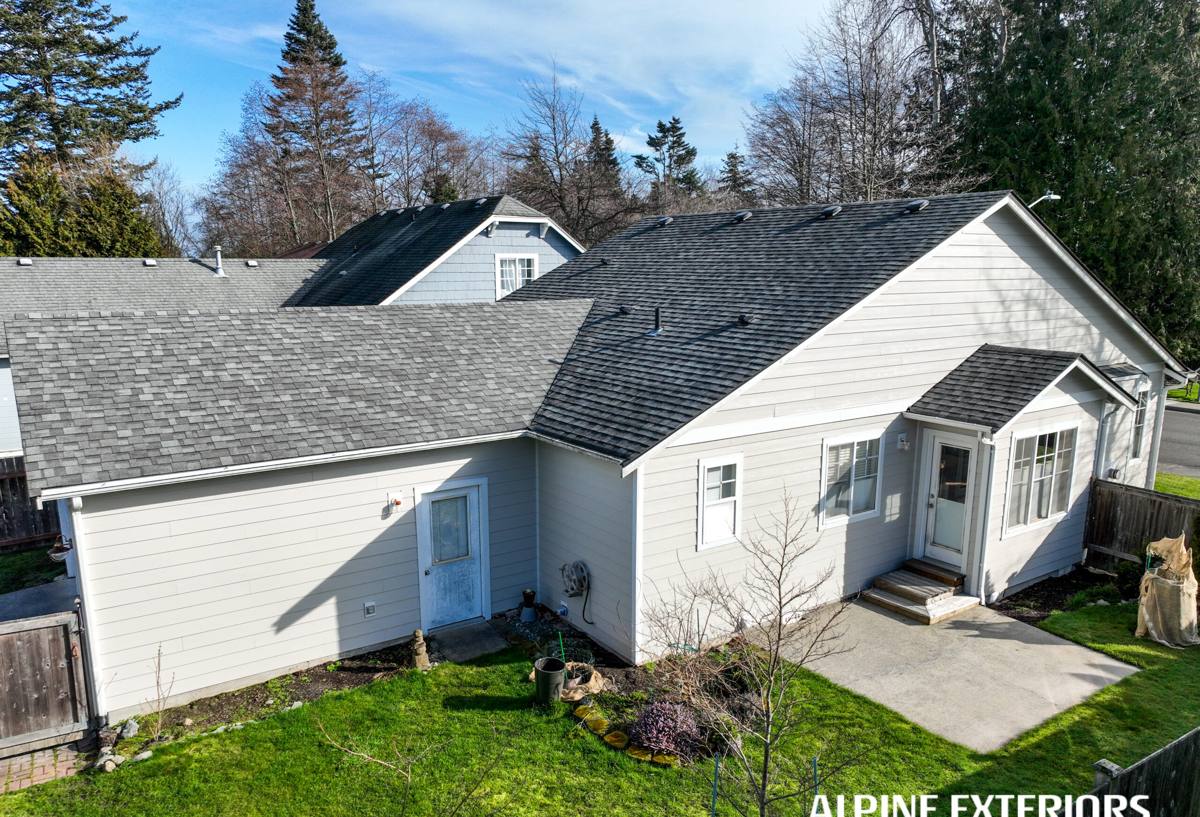
Signs You Need a Replacement, Not Another Repair
Homeowners in this area often ask for a repair when what the roof actually needs is a full replacement. Repairs make sense for isolated damage on a roof that's otherwise sound. Replacement becomes the honest recommendation when the damage is spread out or the roof is simply at the end of its service life. Some signs worth taking seriously:
- Granules collecting in gutters or at downspouts in noticeable amounts, not just a light dusting
- Shingles that are curling, cupping, or have visibly lifted edges, especially after windy weather
- Multiple soft spots or sagging areas when you walk the roof or view it from a ladder
- Rusted, lifted, or corroded flashing around chimneys, vents, or roof-to-wall transitions — common here because of salt exposure
- Interior staining on ceilings or in the attic that shows up in more than one room
- A roof that's 18-20+ years old for asphalt shingle, or showing its age well before that because of coastal exposure
- A recent wind or hail event followed by a denied or partial insurance claim on an older roof
If your roof is only a few years old and the damage is limited to one section, a repair is usually the right call and we'll say so. We don't push replacement on a roof that doesn't need it.
What a Correct Roof Replacement Involves Here
Starting With the Deck, Not the Shingles
A roof replacement is only as good as what's underneath the new material. Once the old roofing is stripped off, the decking gets inspected board by board. Any wood that's soft, delaminated, or water-stained gets replaced before anything new goes down. Skipping this step is one of the most common shortcuts in the industry, and it's also one of the least visible once the roof is finished — which is exactly why it matters to hire a crew that won't cut that corner.
Underlayment and Secondary Water Barrier
Florida's building code requires a secondary water barrier on new roof installations, and on a wind-driven-rain coastline like St. Pete Beach, it's not a step to treat as a formality. A self-adhering underlayment at the eaves, valleys, and roof penetrations gives the deck a real backup layer if wind ever drives rain up under the primary roofing material — which does happen here during tropical systems, even on roofs that are otherwise intact.
Fasteners and Flashing That Can Handle Salt Air
This is where a lot of roofs in coastal Pinellas County fail early, and it's rarely the shingles' fault. Standard fasteners and flashing corrode faster in salt air. A correct installation uses corrosion-resistant fasteners — ring-shank or coil nails rated for coastal exposure, and flashing metal chosen to hold up rather than pit and rust within a few years. It costs a little more up front. It's also the difference between flashing that's still sound in year twelve and flashing that's already leaking in year five.
Ventilation That Matches the Attic
Balanced intake and exhaust ventilation matters everywhere, but in this climate, an attic that can't breathe traps heat and humidity that shortens the life of the roofing material from underneath. Ridge vents, soffit vents, or a combination need to be sized to the actual attic, not just installed as a standard package regardless of the house.
Wind-Rated Installation
Florida Building Code sets wind uplift and fastening requirements based on your wind zone, and Pinellas County enforces those requirements through permitting and inspection. The nailing pattern, fastener count, and material wind rating all have to match what's specified for your specific location and roof geometry — not a generic minimum.
Choosing a Roofing Material for a Barrier Island Home
There's no single "best" roofing material for every St. Pete Beach home — it depends on your budget, your home's structure, and how long you want to go before your next replacement. Here's an honest comparison of the main options for coastal, high-wind, high-UV conditions:
| Material | Typical Lifespan Here | Wind Performance | Salt Air Considerations | Relative Cost |
|---|---|---|---|---|
| Architectural asphalt shingle | 15-20 years | Good, when rated and installed to code | Granule loss and edge wear accelerated by UV and salt; needs quality flashing | Lowest upfront |
| Standing seam metal | 30-50 years | Excellent when properly fastened | Needs coastal-grade coating and fasteners to resist corrosion | Highest upfront |
| Tile (concrete or clay) | 30-50 years for the tile itself | Good, but underlayment usually fails before the tile does | Tile is inert to salt, but underlayment and flashing need the same coastal-grade treatment | High upfront |
| 3-tab asphalt shingle | 10-15 years | Lower wind rating than architectural shingles | Faster wear from UV and salt; not our default recommendation for this location | Low upfront |
For most St. Pete Beach homes we recommend architectural shingle or metal as the practical choices — architectural shingle for value and proven wind performance when installed correctly, metal when a homeowner plans to stay long-term and wants to minimize how often they go through this again. We'll walk through the real trade-offs for your specific roof rather than steering you toward whatever's easiest to install.
Permits, Wind Codes, and Inspections
Roof replacements in St. Petersburg and throughout Pinellas County require a building permit, and the work gets inspected before it's considered complete — this isn't optional paperwork, it's what confirms the roof was actually installed to the wind and water standards your home is required to meet. On a barrier island, inspectors and code officials tend to pay close attention to flashing details and fastening schedules, precisely because those are the failure points that show up during storms.
We pull the permit, schedule the required inspections, and handle the back-and-forth with the county so you're not the one chasing down inspectors or tracking down paperwork. If your home is in a flood zone or has other site-specific requirements, we account for that in the plan before work starts, not after.
Our Roof Replacement Process
- Inspection and estimate. We look at the whole roof system — decking, flashing, ventilation, current material condition — not just the surface, and give you a written estimate with no pressure to sign on the spot.
- Material selection. We go over the realistic options for your home and budget, including what each one means for maintenance and lifespan in this climate.
- Permitting. We handle the permit application with the county and schedule inspections around the installation timeline.
- Tear-off and deck inspection. Old roofing comes off, the deck gets checked board by board, and any needed repairs are done before new material goes down.
- Underlayment, flashing, and installation. Secondary water barrier, corrosion-resistant flashing, and the roofing material go on to code, with the fastening schedule matched to your wind zone.
- Final inspection and cleanup. The county inspector signs off, we do a full site cleanup including a magnetic sweep for stray nails, and you get your warranty paperwork.
Why a Crew That Already Works St. Pete Beach Matters
Roofing a home on a barrier island is logistically different from roofing one in a typical inland subdivision. Narrow streets, limited staging space, seasonal traffic, and in some cases HOA or condo association rules all affect how a job gets planned and scheduled. A crew that already works this area on a regular basis knows how to stage material deliveries and dumpsters without turning your street into a problem for the neighbors, and knows which permitting quirks tend to come up on the island versus on the mainland side of St. Petersburg.
Just as important, a crew that's replaced roofs here before has already seen what salt air and Gulf wind actually do to a roof over five, ten, and fifteen years — not in theory, but on homes a few blocks from yours. That experience shows up in the small decisions: which flashing detail gets extra attention, which fastener spec is worth the upcharge, and where corners genuinely cannot be cut on this coastline even if they'd be fine somewhere else in Florida.
Roof Replacement Checklist for St. Pete Beach Homeowners
- Confirm the contractor is licensed to work in Florida and pulls their own permits — never sign a contract with a company that asks you to pull the permit yourself
- Ask specifically what fastener and flashing materials will be used, and whether they're rated for coastal/salt-air exposure
- Get the wind rating of your chosen material and confirm it meets or exceeds what's required for your location
- Ask how deck repairs, if needed, will be priced — get this in writing before work starts, not as a surprise change order
- Confirm attic ventilation will be assessed and balanced, not just left as-is
- Get the manufacturer warranty terms in writing, including what voids them
- Ask about cleanup procedures, including nail sweep, before the crew leaves
If your roof is showing its age, took a hit in recent weather, or you just want an honest read on where it stands, we're glad to come out and take a look. The estimate is free, there's no pressure, and you'll get a straight answer about whether you need a replacement, a repair, or nothing at all right now.