 St. Petersburg Roofing
 Siding Replacement Built for Disston Heights, Not Just "Florida"
Disston Heights sits inland from the coast compared to some St. Petersburg neighborhoods, but "inland" in Pinellas County still means salt-laden air, tropical humidity, intense UV exposure nearly every month of the year, and the real chance of hurricane-force wind and wind-driven rain during storm season. Siding here does a harder job than siding almost anywhere outside the Gulf Coast, and it shows in how fast the wrong product or the wrong installation starts to fail. A siding replacement project in this neighborhood isn't just about picking a color — it's about choosing a material and an installation method that were actually built for this climate.
This page covers what we look for on Disston Heights homes specifically, what a correct siding replacement job involves in St. Petersburg's climate, how our process works from first visit to final walkthrough, and why working with a crew that already knows this neighborhood's housing stock and permitting process matters more than it might seem.
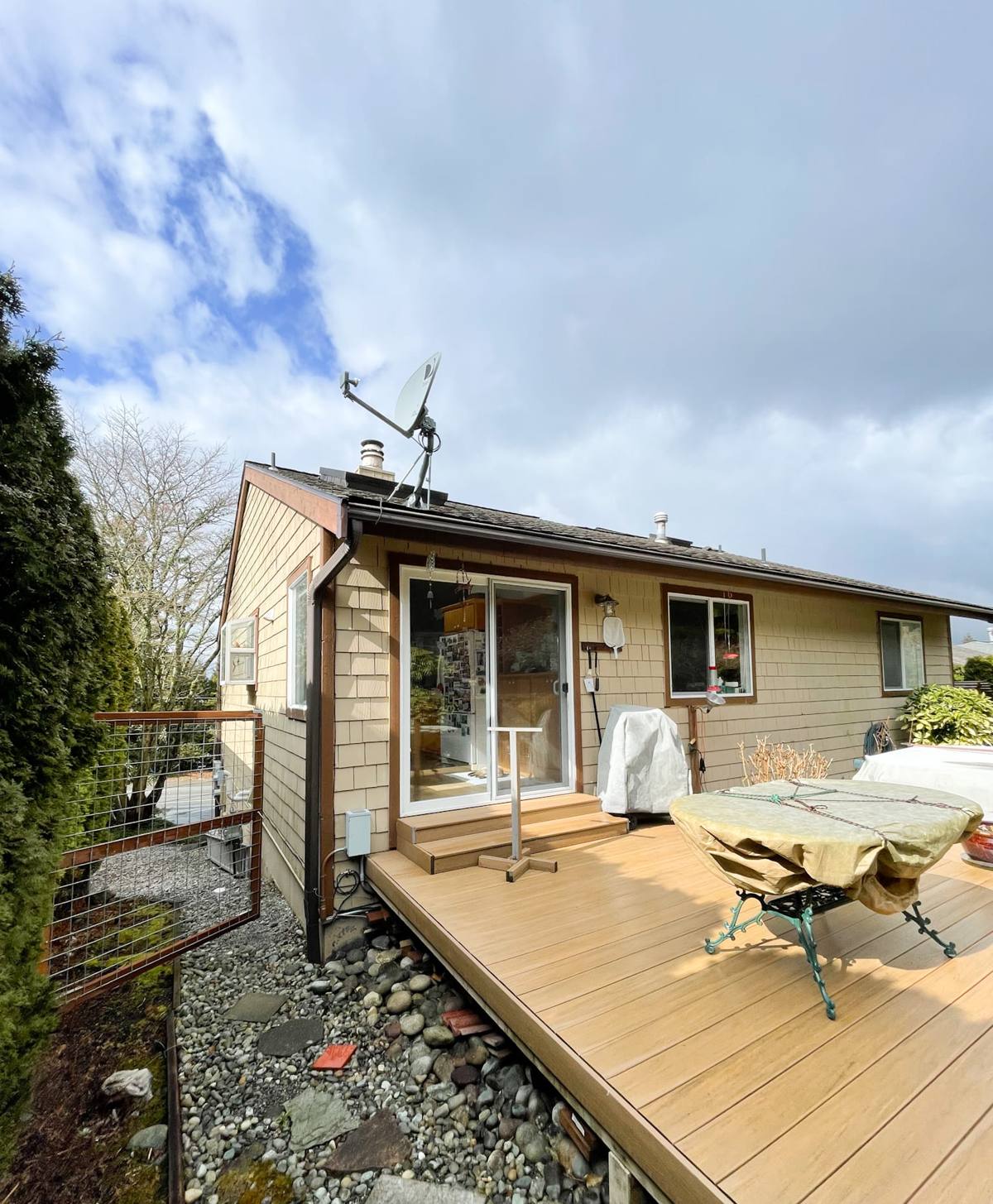
What St. Petersburg's Climate Does to Siding
Every siding material ages differently depending on what it's exposed to, and Disston Heights homes face a specific combination of stresses:
- UV exposure: Florida gets more direct sun hours per year than almost anywhere in the continental U.S. Paint and factory finishes chalk, fade, and break down faster here than in a northern climate.
- Humidity and moisture cycling: Siding expands and contracts with heat and moisture. Materials that aren't dimensionally stable — or that trap moisture behind them — swell, warp, or rot over time.
- Salt air: Even a few miles from Tampa Bay or the Gulf, airborne salt accelerates corrosion of fasteners and trim hardware and works its way into porous or poorly sealed materials.
- Wind-driven rain: Tropical storms and hurricanes don't just bring wind — they push rain sideways and upward, testing every seam, lap, and flashing detail on a home's exterior.
- Hurricane-force wind loads: Siding has to stay fastened to the wall under sustained wind and gusts, not just look good on a calm day.
None of this is unique to Disston Heights, but it's the reality every home in this part of St. Petersburg is built into. Siding replacement here has to be evaluated against that standard, not against what works in a milder climate.
What We Typically Find on Disston Heights Homes
Common siding conditions in this neighborhood
Disston Heights has a mix of housing ages and styles typical of established St. Petersburg neighborhoods, which means we see a range of existing siding conditions — original wood siding that's been painted over for decades, older masonry with siding added or repaired at some point, and various generations of replacement siding installed with different levels of care. What we're checking for on any home, regardless of its history, is the same set of red flags: soft or spongy spots that indicate rot in the siding or the sheathing behind it, cracking or buckling that suggests moisture is getting trapped, caulk that's failed at seams and trim, and fastener corrosion or staining that points to water intrusion.
Why spot repair often isn't the right call
It's tempting to patch a bad section and leave the rest, especially if most of the siding still looks fine from the street. The problem is that siding failure is rarely isolated — if moisture got behind one section, it's usually because of a systemic issue (a missing weather barrier, poor flashing, or age-related material breakdown) that affects the whole wall, not just the visible spot. We'll always tell you honestly when a repair is a reasonable option and when it's just delaying a full replacement. On older homes where the siding and the water management behind it are both near the end of their service life, a full replacement is usually the more honest recommendation, even if it's the bigger job.
What a Correct Siding Replacement Job Involves
A siding replacement is only as good as what happens underneath it. Here's what we consider non-negotiable on every job, in Disston Heights or anywhere else in the county.
Tear-off and substrate inspection
Once the old siding comes off, we inspect the sheathing and framing underneath before anything new goes up. This is the point where hidden rot, insect damage, or old moisture problems get found and addressed — not after new siding is already covering them back up.
Weather-resistive barrier and flashing
A correctly lapped weather-resistive barrier, properly integrated flashing around windows, doors, and penetrations, and correct overlaps at seams are what actually keep wind-driven rain out of the wall assembly. Siding itself is the visible layer; the water management system behind it is what does most of the real work during a storm.
Fastening for wind resistance
Fastener type, spacing, and placement all affect how well siding holds up under sustained wind loads, and Florida Building Code requirements exist specifically because of storms like the ones this region sees. We follow manufacturer fastening schedules engineered for high-wind exposure, not generic spacing.
Trim, caulking, and finish details
The small details — corner trim, caulk joints, drip edges, and paint or factory finish at cut ends — are usually where premature failure starts. Rushed trim work is one of the most common reasons a siding job looks fine for a year or two and then starts failing at the seams.
Why We Install Only James Hardie Fiber Cement Siding
We don't install vinyl, LP SmartSide, or other engineered wood or composite siding products, and we're upfront about why: in a climate like St. Petersburg's, the trade-offs those materials carry — moisture sensitivity, heat distortion, or shorter realistic service life under intense UV and humidity — aren't ones we're willing to put our name behind. James Hardie fiber cement is non-combustible, dimensionally stable across Florida's heat and humidity swings, and holds its factory-applied ColorPlus finish far longer under constant sun exposure than field-painted alternatives.
Built for climates like ours
James Hardie engineers its siding in regional formulations for different climate zones, and the products designed for warm, humid, storm-prone regions like Pinellas County are formulated specifically to resist moisture and humidity-related damage better than a one-size-fits-all product. That climate-specific engineering is a meaningful part of why we standardized on this manufacturer rather than a generic fiber cement or composite product.
What that means for a Disston Heights homeowner
In practical terms: siding that doesn't need repainting every few years, that won't absorb water and swell at the edges, that carries a strong transferable manufacturer warranty, and that's rated non-combustible — a real consideration during Florida's dry, high-wind stretches. This is a genuine trade-off decision, not a marketing preference, and we're happy to walk through the specifics with you during an estimate.
Our Siding Replacement Process
- On-site evaluation: We inspect the current siding, the substrate where accessible, and any problem areas you've noticed, and give you an honest read on repair versus full replacement.
- Written estimate: A clear scope of work and pricing, with the siding profile and color options laid out so there are no surprises.
- Permitting: We handle the City of St. Petersburg or Pinellas County permit process required for siding replacement, so the job is inspected and documented correctly.
- Tear-off and inspection: Old siding comes off, sheathing is inspected, and any rot or damage is addressed before new material goes up.
- Weather barrier and flashing installation: The water management layer goes in correctly the first time — this is the step that matters most for long-term performance.
- Hardie siding installation: Installed to manufacturer specification for fastening, clearances, and joint treatment.
- Final walkthrough: We go over the finished job with you, address anything you're unsure about, and make sure the site is cleaned up.
What Affects the Cost of a Siding Replacement
Every home is different, and we don't publish blanket prices because the honest answer depends on your specific house. Here are the main factors that move the number up or down:
| Factor | Why it matters |
|---|---|
| Home size and wall square footage | More surface area means more material and labor time |
| Number of stories | Second-story work requires more staging, scaffolding, and time |
| Condition of the substrate | Rotted or damaged sheathing found during tear-off adds repair scope |
| Trim complexity | Homes with more corners, dormers, or architectural detail take longer to finish correctly |
| Siding profile chosen | Lap width, texture, and accent details (like board and batten sections) affect material cost |
| Existing siding removal | Some materials are more labor-intensive to strip off than others |
Why a Crew That Already Works Disston Heights Matters
A siding replacement isn't just a materials swap — it's a project that involves navigating your city's permitting process, understanding what wind and moisture exposure your specific block deals with, and knowing how homes in this part of St. Petersburg are typically built. A crew that's already done work in Disston Heights and the surrounding St. Petersburg neighborhoods isn't guessing at any of that. We know the permitting steps for Pinellas County jobs, we've seen how homes of different ages in this area tend to be built, and we're not learning the local climate's demands on the fly. That familiarity shows up in fewer surprises during the job and a finished product that's actually built for where it's going.
Caring for Your New Siding After Installation
James Hardie siding is low-maintenance compared to the alternatives, but "low-maintenance" isn't "no-maintenance," especially in a climate that works siding as hard as ours does. A short annual routine keeps it performing the way it should:
- Rinse the siding periodically to remove salt residue and airborne grime, especially after storm events.
- Inspect caulk joints around windows, doors, and trim once a year and have any cracked or failing caulk replaced.
- Keep sprinklers and irrigation from spraying directly onto the siding, which can cause mineral staining over time.
- Trim back landscaping that holds moisture against the siding or blocks it from drying after rain.
- Have any impact damage from storms or yard equipment inspected and repaired promptly rather than left open to moisture.
If your Disston Heights home's siding is showing its age, or you just want an honest read on whether repair or full replacement makes more sense, we're happy to take a look. Reach out for a free, no-pressure estimate using the form below.