 St. Petersburg Roofing
 Shore Acres' Waterfront Setting Puts Extra Demands on Siding
Shore Acres sits along the water on the north side of St. Petersburg, and that waterfront location is exactly what makes siding decisions here different from a typical inland job. Canal-front and bay-adjacent homes take on more airborne salt, more direct sun reflecting off open water, and more exposure to wind-driven rain during storms than homes just a few miles inland. Siding that performs fine in a sheltered subdivision can fail years early on a home with a clear line to the water.
We install siding across Pinellas County, and Shore Acres is one of the neighborhoods where we see the clearest gap between products built for this environment and products that simply weren't. This page walks through what siding actually has to do on a Shore Acres home, what a correct installation involves, and why we standardized on one product line instead of offering a menu of options.
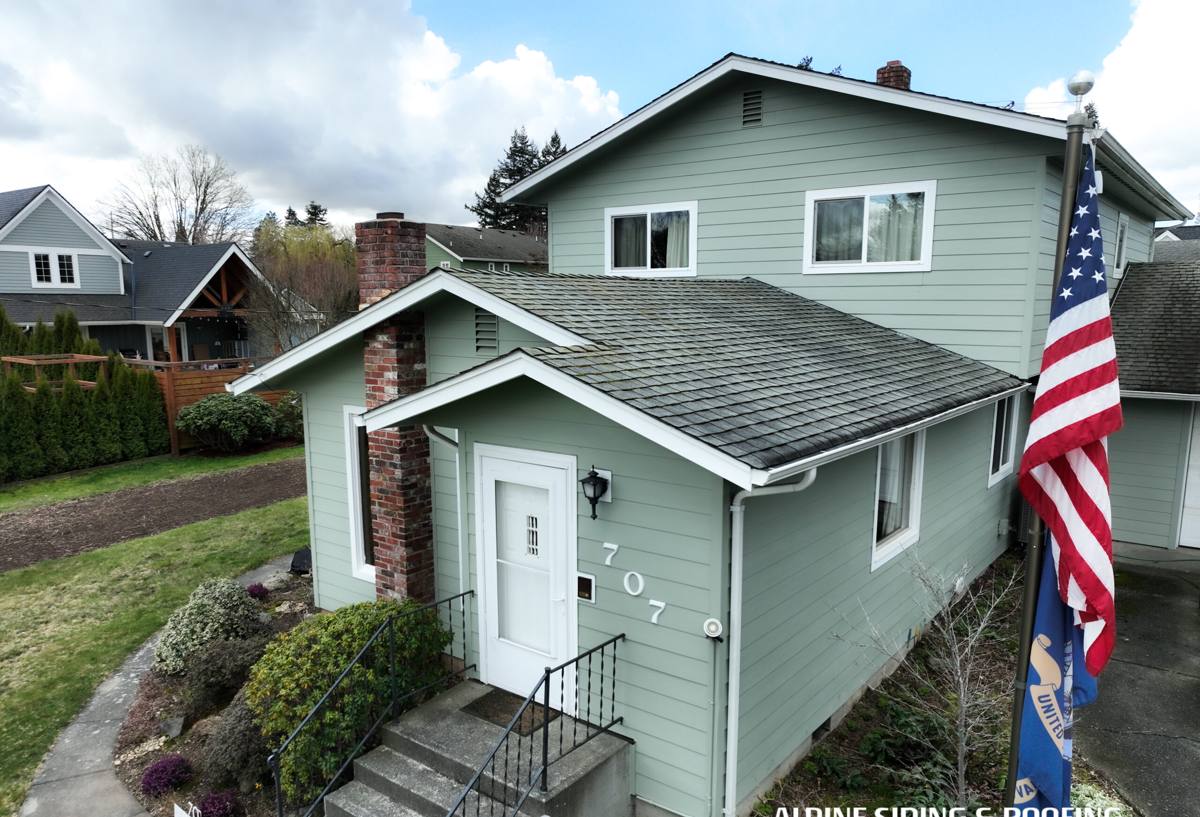
What Shore Acres Homes Actually Need From Their Siding
Before talking about brands or installation steps, it helps to be specific about what siding on a home like this is up against, year after year:
- Salt air corrosion: airborne salt from the bay accelerates the breakdown of fasteners, trim, and any siding material that isn't rated for coastal exposure.
- Hurricane-force wind loads: Pinellas County sits in a wind-borne debris region, and siding has to stay fastened and intact under sustained high wind, not just survive a light storm.
- Wind-driven rain intrusion: when rain is moving sideways during a storm, siding depends on correct flashing and overlap details to keep water out of the wall assembly — the siding material itself is only half the equation.
- Near-constant UV exposure: Florida's sun is intense almost year-round, and it fades and degrades poorly-finished siding faster than in most of the country.
- Humidity and moisture cycling: siding that swells, absorbs water, or supports rot in humid conditions creates ongoing maintenance and structural risk.
Any siding product installed on a Shore Acres home has to hold up against all five of these at once, not just one or two.
Why We Install Only James Hardie Fiber Cement Siding
We made the decision to install a single siding system rather than offer vinyl, LP SmartSide, or other engineered wood and composite products. That's not a marketing position — it's a response to what we've seen hold up in coastal Florida conditions versus what struggles.
Non-Combustible, Climate-Engineered Material
James Hardie fiber cement siding is manufactured in different formulations for different climate zones, and the version used in Florida — engineered for warm, humid regions — is built specifically to resist moisture-related damage and hold its shape in heat and humidity. It's also non-combustible, which matters for insurance considerations and general fire safety, something vinyl and wood-based sidings simply can't match.
ColorPlus Factory Finish
Instead of a coat of paint applied on-site, James Hardie's ColorPlus finish is baked on in a controlled factory process before the siding ever reaches the home. That finish resists UV fading and holds color consistency far longer than field-applied paint, which matters enormously under Florida's sun exposure. It also means fewer repaint cycles over the life of the siding.
Backed by a Real Transferable Warranty
James Hardie backs its siding with a substantial product warranty, and the ColorPlus finish carries its own finish warranty — both of which are transferable to a new owner within the coverage terms. For a homeowner planning to sell within the warranty period, that transferability carries real value.
What a Correct Siding Installation Involves
The product is only half the story. Fiber cement siding performs exactly as well as it's installed — no better. A correct installation on a Shore Acres home includes:
- Proper clearance between the siding's bottom edge and grade, roof lines, decks, and other horizontal surfaces, per manufacturer specification
- Correct flashing and water-resistive barrier detailing at every window, door, and penetration
- Manufacturer-specified fastener type, spacing, and embedment — stainless or coated fasteners rated for coastal/salt-air exposure
- Proper panel overlap and joint treatment to shed wind-driven rain rather than trap it
- Correct caulking and sealant at joints, using products compatible with the ColorPlus finish
- Ventilation behind the siding where the wall assembly calls for it, to prevent moisture from being trapped against the sheathing
Common Installation Mistakes That Cause Problems Later
Most siding failures we're called to inspect aren't material failures — they're installation shortcuts. Panels installed too close to grade or roof lines that wick moisture. Fasteners driven at the wrong spacing or angle. Missing or incorrect flashing at windows that lets wind-driven rain behind the siding during a storm. Caulk used in place of proper flashing details. Every one of these is preventable, and every one of them can also void the manufacturer's warranty if installation wasn't done to spec — which is why installation discipline matters as much as the product choice itself.
Our Process for a Shore Acres Siding Project
Every home is different, but the sequence stays consistent:
- On-site inspection: we look at your existing siding, sheathing condition, trim, and any signs of past moisture intrusion before quoting anything.
- Measurement and product plan: we determine the right James Hardie plank or panel profile, exposure, and color for the home, accounting for its sun and wind exposure.
- Removal of old siding: old material comes off and we inspect the sheathing underneath for hidden rot or moisture damage before anything new goes up.
- Weather barrier and flashing installation: this is the step that determines how the wall performs in a storm — it happens before a single piece of new siding goes on.
- Siding installation to manufacturer specification: correct fasteners, spacing, clearances, and joint treatment, installed by a crew trained on Hardie's install requirements.
- Trim, caulking, and final detailing: the finishing work that determines both appearance and long-term water resistance.
- Final walk-through: we go over the completed work with you directly.
Cost Factors for Siding Installation in Shore Acres
Every quote is specific to the home, but the same factors drive cost up or down on nearly every project we look at in this neighborhood:
| Factor | Why It Affects the Project |
|---|---|
| Home size and wall complexity | More square footage, more corners, gables, and trim detail all add labor time |
| Condition of existing sheathing | Hidden moisture damage found during tear-off requires repair before new siding can go on |
| Removal of old siding material | Some existing materials come off faster and cleaner than others |
| Trim, fascia, and soffit scope | Whether trim is being replaced alongside siding changes the total scope significantly |
| Height and access | Two-story sections, steep rooflines, or waterfront setbacks can require extra staging and access equipment |
| Color and profile selection | Different James Hardie planks, panels, and shingle-style profiles carry different material costs |
We walk through each of these with you during the estimate so there aren't surprises once work starts.
Why Hiring a Crew That Already Works in Shore Acres Matters
Siding installation quality depends heavily on whether the crew understands the specific conditions of the neighborhood they're working in. A crew that primarily installs siding in sheltered inland subdivisions and occasionally takes a waterfront job doesn't have the same instinct for where wind-driven rain will find a gap, or how much extra attention flashing details need on a home facing open water. Working in Pinellas County's coastal neighborhoods regularly also means staying current on local wind-load requirements and permitting expectations that apply to exterior work here — details that matter for both the quality and the legality of the finished job.
It also means we've already seen how James Hardie siding performs on homes with this exact exposure over time — not in a showroom, but on roofs and walls a few blocks from the bay, through actual Florida storm seasons.
Maintenance After Installation
James Hardie siding installed correctly is low-maintenance, but "low-maintenance" isn't "no-maintenance," especially this close to the water. A simple annual routine keeps it performing:
- Rinse salt residue off the siding surface periodically, especially after storms with onshore wind
- Inspect caulking at joints and trim annually and re-caulk any areas showing cracking or gaps
- Keep sprinklers and irrigation from spraying directly on siding long-term
- Trim vegetation back from direct contact with siding to prevent trapped moisture
- Have flashing and trim checked after any major storm event
If your Shore Acres home needs new siding or you're dealing with damage from age, moisture, or storm exposure, we're happy to take a look and walk you through what we'd recommend — no pressure, no obligation. Use the form below to request a free estimate.