 St. Petersburg Roofing
 Roof Replacement Built for Seminole's Climate, Not a Generic Spec
Seminole sits close enough to the Gulf that salt air, humidity, and wind-driven rain are part of daily life for every roof in the area, and close enough to open water that hurricane-force gusts are a real design load, not a hypothetical one. A roof replacement here has to do more than look good going on. It has to hold up to Pinellas County's specific mix of intense year-round UV breaking down materials from above, salt-laden moisture working into fasteners and metal from the side, and wind uplift trying to peel the whole system off during the worst storms of the year. Homes in Seminole tend to be a similar mix of ages and construction styles as the rest of St. Petersburg's western communities — mid-century block homes, 1980s-90s subdivisions, and newer builds — and each of those brings a different roof deck, different existing ventilation, and different problems to plan around.
A roof replacement quote that doesn't account for these local conditions is usually a quote for the wrong job. Below is what actually goes into doing this correctly in Seminole, what to expect from the process, and why local experience on this specific work matters as much as the shingle or tile brand on the label.
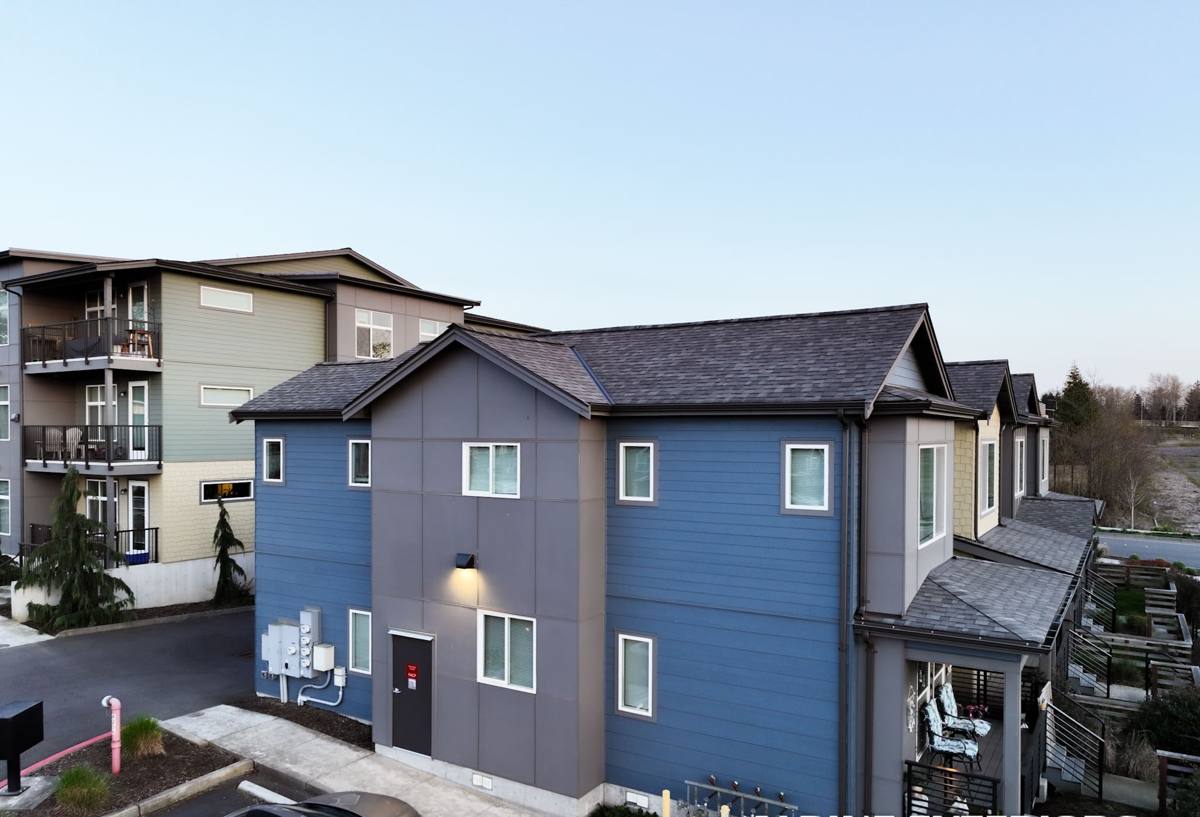
What Seminole's Climate Actually Does to a Roof
UV and Heat
Florida sun is harder on roofing materials than most homeowners realize. Constant UV exposure dries out asphalt shingles, accelerates granule loss, and shortens the working life of underlayment that isn't rated for it. Attics that don't vent properly trap heat, which cooks roofing materials from underneath at the same time the sun is working on them from above.
Wind-Driven Rain and Hurricanes
It's not just the wind speed during a named storm — it's wind-driven rain finding every gap in flashing, fastening, and underlayment lap. A roof can survive the wind load and still fail because water got in around a vent pipe or valley that wasn't detailed correctly. Pinellas County's wind zone requirements exist because of storms that have already tested roofs here and found the weak points.
Salt Air
Even homes that aren't waterfront get salt in the air on onshore breezes. Over years, that accelerates corrosion on exposed fasteners, metal flashing, and any hardware that isn't rated for coastal exposure. It's a slower problem than storm damage, but it's the reason roofs in this area often show fastener and flashing failures before the field material itself is actually worn out.
What a Correct Roof Replacement Involves
Full Tear-Off and Deck Inspection
We don't recommend installing new roofing over old material. A full tear-off is the only way to actually see the roof deck — plywood or OSB sheathing that may have hidden water damage, soft spots, or fastener patterns that don't meet current wind code. Any damaged decking gets replaced before anything new goes down, and this is where good and bad roof jobs actually separate from each other, since it's invisible once the new roof is on.
Underlayment and Flashing
In a climate with this much wind-driven rain, underlayment is not a formality. We use synthetic or self-adhered underlayment appropriate to the roof pitch and material, with special attention to valleys, penetrations, and roof-to-wall transitions — the spots where most leaks actually originate. Flashing around chimneys, skylights, and vent stacks gets replaced, not reused, and fastened with corrosion-resistant hardware suited to salt air exposure.
Attic Ventilation
Proper intake and exhaust ventilation keeps attic temperatures and moisture in check, which extends the life of the new roof and helps with cooling costs in a climate where the AC runs most of the year. A replacement is the right time to correct ventilation that was never adequate on the original roof.
Wind-Rated Fastening
Nailing patterns, fastener count, and adhesive sealant strips all have to meet Florida Building Code wind uplift requirements for this wind zone. This isn't optional detail work — it's the difference between a roof that stays intact in a tropical storm and one that doesn't.
Material Options for Seminole Homes
There's no single right material for every home — the right choice depends on roof pitch, budget, HOA rules if applicable, and how long you plan to stay in the home. Here's an honest comparison of what we install most often in this area:
| Material | Typical Lifespan | Coastal/Wind Performance | Cost Factor |
|---|---|---|---|
| Architectural asphalt shingle | 20-30 years | Good, with rated fastening and sealed strips; most common choice | Lowest upfront cost |
| Standing seam metal | 40-50+ years | Excellent wind uplift resistance when properly installed; handles salt air well with the right coatings | Higher upfront, lower long-term maintenance |
| Concrete or clay tile | 40-50+ years | Very good wind resistance, but individual tiles can crack from impact and require careful underlayment work | Higher upfront and repair cost |
| Flat/low-slope membrane (TPO, modified bitumen) | 15-25 years | Performance depends heavily on installation quality at seams and drains | Varies by system |
We'll walk through which option fits your roof's pitch, your budget, and how long the investment needs to last — not just sell the highest-margin product.
Florida Building Code, Wind Zones, and Insurance
Code Requirements
Pinellas County enforces Florida Building Code wind uplift and fastening standards that are stricter than what many other parts of the country require. A legitimate roof replacement is permitted and inspected against these standards — that permit and final inspection are part of what you're paying for, not paperwork we skip to save time.
Insurance and 4-Point Inspections
Older roofs often trigger 4-point inspection issues that affect homeowners insurance premiums or renewal eligibility. A documented, permitted roof replacement with current materials and fastening resets that clock and can improve insurability. We provide the documentation homeowners need for their insurance company and, where applicable, for wind mitigation credits.
Signs Your Seminole Roof Needs Replacing — Not Just Repair
- Shingles that are curling, cupping, or losing granules across large sections of the roof, not just one spot
- Multiple past repairs in different areas, suggesting the underlying material is at the end of its life
- Visible sagging anywhere on the roofline, which can indicate deck or structural issues
- Daylight visible through the roof deck from inside the attic
- Leaks that keep reappearing near valleys, chimneys, or vent penetrations after repairs
- A roof older than 20 years that hasn't been replaced since before current wind code standards
- Missing or lifted shingles after a wind event, especially if it's happened more than once
Our Process, Start to Finish
- On-site inspection and honest assessment — we look at the whole roof system, not just the visible surface, and tell you plainly whether you need a replacement or a repair will do.
- Written estimate with material options — clear pricing, material choices, and timeline, with no pressure to decide on the spot.
- Permitting — we handle the Pinellas County permit and code compliance paperwork.
- Tear-off and deck repair — full removal of old roofing, deck inspection, and replacement of any compromised sheathing.
- Underlayment, flashing, and ventilation install — the layers that actually determine how well the roof handles wind-driven rain over time.
- Final material installation — installed to the wind-rated fastening spec for this zone.
- Final inspection and cleanup — county sign-off, magnetic sweep for debris, and a walkthrough with you before we consider the job done.
Why a Crew That Already Works Seminole Matters
Roofing crews that work Seminole and the surrounding St. Petersburg area regularly get to know the local permitting office, the typical roof decks and framing found in the area's homes, and the specific ways coastal weather shows up as damage. That familiarity shortens the permitting process, avoids surprises during tear-off, and means the crew on your roof has already handled the exact wind-zone and coastal-exposure requirements your home falls under — not learning them for the first time on your project. It also means we're a phone call away, not a subcontractor who drove in from another county and won't be back if something needs attention after the first hard rain.
What Happens After Installation
A new roof still needs occasional attention. We recommend a visual check after any major storm, keeping gutters and valleys clear of debris, and having the roof looked at every couple of years even if nothing seems wrong — small issues with flashing or sealant are far cheaper to fix early than after they've caused interior damage. If we installed your roof, we'll stand behind our workmanship and can advise on manufacturer warranty terms for the material you chose.
If your Seminole roof is showing its age, was damaged in a storm, or you're just tired of patching the same trouble spots, we're happy to take a look and give you a straightforward assessment. Request a free, no-pressure estimate using the form below and we'll schedule a time to inspect your roof in person.