 St. Petersburg Roofing
 Siding Built for Roser Park's Older Housing Stock and Gulf Coast Climate
Roser Park sits close enough to Tampa Bay and the Gulf that its homes take a steady beating from salt-laden air, and the neighborhood's mix of early-1900s bungalows and later infill means the siding situation on any given block is rarely uniform. Some houses still carry original wood siding patched over decades, others have aging vinyl or fiber cement installed before current best practices, and a few have already had one bad replacement job that's failing again. Whatever the starting point, the climate math is the same everywhere in St. Petersburg and Pinellas County: intense year-round UV that breaks down pigments and sealants, wind-driven rain that finds every gap in flashing and caulk, and hurricane-force wind events that turn loose or under-fastened siding into a liability. A siding replacement here has to be judged against that reality, not against a showroom sample.
We install exclusively James Hardie fiber cement siding, and this page explains what that means specifically for a Roser Park home — what the climate demands, what a correct installation actually involves, and how we run the job from first look to final walk-through.
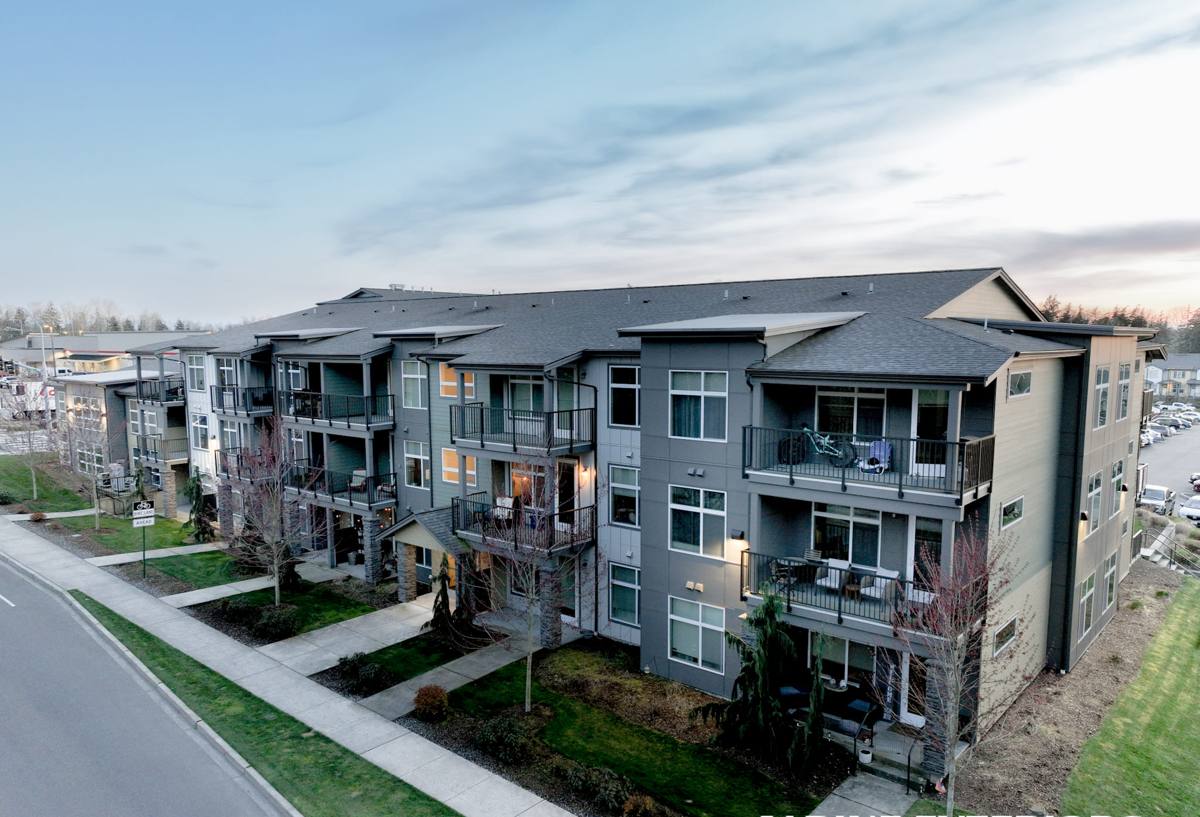
What Roser Park's Climate Actually Does to Siding
UV and Heat
Direct Florida sun degrades pigments and surface coatings faster than almost anywhere else in the continental U.S. Paint chalks, fades unevenly depending on sun exposure per elevation, and requires repainting on a shorter cycle than manufacturers' marketing suggests. Siding materials that rely on field-applied paint start that clock the day they go up.
Wind-Driven Rain
Rain in this region rarely falls straight down. Storms push moisture sideways and upward under laps, around penetrations, and into any seam that wasn't properly lapped or sealed during installation. Materials and installation details that work fine in drier climates can trap or wick that moisture here, leading to swelling, soft spots, or hidden rot behind the cladding.
Salt Air
Roser Park's proximity to the bay means airborne salt settles on exterior surfaces continuously, not just during storms. Salt accelerates corrosion of fasteners and trim metal and can degrade lower-quality coatings faster than inland exposure would.
Named Storms and Wind Load
Pinellas County sits squarely in a hurricane-prone corridor. Siding doesn't need to survive a direct hurricane strike to earn its keep — even routine tropical storm winds test fastening patterns, starter strip attachment, and how well trim was sealed at penetrations. Marginal installations reveal themselves during the first serious blow, not years later.
Why We Standardized on James Hardie
We don't install LP SmartSide, vinyl, Cemplank, Allura, or primed wood siding, and we're upfront about why. Each of those products has legitimate uses and honest selling points — vinyl is inexpensive and low-maintenance in mild climates, engineered wood products install quickly and take paint well, other fiber cement brands compete directly with Hardie on spec sheets. But for a coastal Florida home, the trade-offs stacked up against them:
- Vinyl can warp or distort in sustained high heat and is more vulnerable to wind uplift at panel edges during severe storms unless fastened conservatively.
- Engineered wood siding (LP SmartSide and similar) depends on intact factory sealing and careful field detailing at every cut edge; in a climate with this much wind-driven moisture, any breach in that seal is a standing invitation for swelling over time.
- Other fiber cement brands (Cemplank, Allura) are dimensionally similar to Hardie but generally don't carry the same climate-specific engineering or the factory finish warranty structure we want to stand behind on every install.
- Primed spruce or cedar is a real wood product that needs to breathe and move with humidity, and it demands a maintenance commitment — repainting, caulking, moisture monitoring — that most homeowners underestimate until the siding is already failing.
James Hardie fiber cement is non-combustible, dimensionally stable in heat and humidity swings, and available in HZ5 formulations engineered specifically for high-humidity, storm-prone climates like ours. The ColorPlus factory finish is baked on under controlled conditions rather than field-applied, which matters enormously under Florida UV — it resists fading and chalking far longer than a job-site paint job, and touch-up product is formulated to match. Hardie also backs the product with a long, transferable limited warranty that adds real value if the home sells. None of that guarantees a good outcome by itself — installation quality still decides most of it — but it gives us a material we trust to hold up to what this coastline does to a house.
What a Correct Siding Replacement Involves
Replacing siding is not a cosmetic swap. Done right, it's an opportunity to fix what's behind the old cladding before it gets covered up again for another 20-30 years.
Tear-Off and Substrate Inspection
Old siding comes off in sections so we can inspect the sheathing underneath for rot, insect damage, or moisture staining — common on older Roser Park homes where a prior installation may not have managed water correctly. Any compromised sheathing gets replaced before new siding goes up; covering it over just hides the problem.
Weather-Resistive Barrier
A correctly lapped and sealed water-resistive barrier goes on before siding, giving the wall assembly a second line of defense against wind-driven rain that gets past the cladding itself.
Flashing at Every Penetration
Windows, doors, vents, and utility penetrations are the most common failure points on any siding job. Proper flashing details here matter more than the siding material itself — most "siding failures" homeowners see are actually flashing failures.
Fastening to Manufacturer and Wind-Zone Spec
Hardie publishes specific fastener type, spacing, and embedment requirements, and those requirements tighten in higher wind zones. Coastal Pinellas County installations should be fastened at the conservative end of that spec, not the minimum — this is one of the most common corners cut by crews unfamiliar with local wind requirements.
Trim, Caulking, and Paint Lines
Factory-finished ColorPlus siding needs touch-up paint only at cut edges and fasteners, using Hardie's matched touch-up system — not a full field repaint, which would undermine the point of a factory finish.
Cost Factors on a Roser Park Siding Job
| Factor | Why It Moves the Price |
|---|---|
| Extent of substrate repair | Rot or insect damage found during tear-off adds material and labor before new siding can go on |
| Home size and wall complexity | Dormers, multiple stories, and cut-up wall planes take longer to flash and fit correctly |
| Siding profile chosen | Lap width, shake-style panels, and board-and-batten each price differently in materials and labor |
| Trim and accessory scope | Full trim replacement versus reusing sound existing trim changes both cost and finished appearance |
| Access and site conditions | Narrow lots, mature landscaping, and setback distances common in older neighborhoods can affect staging and labor time |
We won't quote a number without seeing the house — anyone who does hasn't accounted for what tear-off reveals. What we can promise is a written estimate that breaks out these factors so you know what's driving the price.
Our Process, Start to Finish
- Walkthrough and assessment — we inspect existing siding, trim, and visible substrate condition, and talk through what we expect to find once tear-off starts.
- Written estimate — a clear scope of work and price range, including likely substrate repair contingencies, before any commitment.
- Material selection — choosing the Hardie plank profile, texture, and ColorPlus color that fits the home and the neighborhood's character.
- Tear-off and inspection — old siding removed, sheathing inspected, and any necessary repairs documented and addressed.
- Weather barrier and flashing — installed to manufacturer spec at every penetration and transition.
- Hardie installation — fastened to spec for our wind zone, with attention to lap lines and reveal consistency.
- Trim, caulk, and touch-up — finish details completed with Hardie-matched products.
- Final walk-through — we review the completed work with you before calling the job done.
What to Check Before Hiring Any Siding Contractor Here
- Do they carry manufacturer certification or documented training on the specific product they're installing?
- Will they put fastener type, spacing, and flashing details in writing, not just "we'll handle it"?
- Do they have current Florida licensing and insurance, and will they provide proof without being asked twice?
- Do they talk about wind-zone fastening requirements unprompted, or only when you bring it up?
- Will the estimate separate material cost, labor, and likely substrate-repair contingencies?
Why Local Experience in Roser Park Matters
A crew that regularly works in this part of St. Petersburg has already seen how the neighborhood's building age, lot layout, and coastal exposure interact — which parts of a wall assembly tend to hold moisture, how prior renovations were typically detailed, and what wind exposure a given lot actually sees versus what a generic chart would suggest. That's not a substitute for inspecting your specific house, but it does mean fewer surprises and a crew that isn't learning Pinellas County's climate demands on your job.
Get a Free, No-Pressure Estimate
If your Roser Park home's siding is original, aging, or already showing wear from sun, storms, or salt air, we're glad to take a look and give you an honest read on condition and options. There's no obligation and no pressure — just a straight assessment and a written estimate for James Hardie siding installed correctly for this climate. Use the form below to get started.