 St. Petersburg Roofing
 Roser Park's Older Homes Weren't Built for Today's Weather
Roser Park is one of St. Petersburg's older residential pockets — a hilly, tree-canopied neighborhood close to downtown known for its brick streets and early-20th-century bungalow and Craftsman-style homes. Those houses have real character, but most of them were sided decades before synthetic house wrap, sealed sheathing, and hurricane-rated fastening schedules were standard building practice. The original wood lap siding on a lot of these homes can still look fine at a glance while quietly failing underneath — soft sheathing, rotted furring strips, or trim that's been repainted so many times it's hiding cracks. When it's time to re-side a home in this neighborhood, the goal isn't just a fresh look. It's replacing an exterior that was never engineered for Pinellas County's climate with one that is.
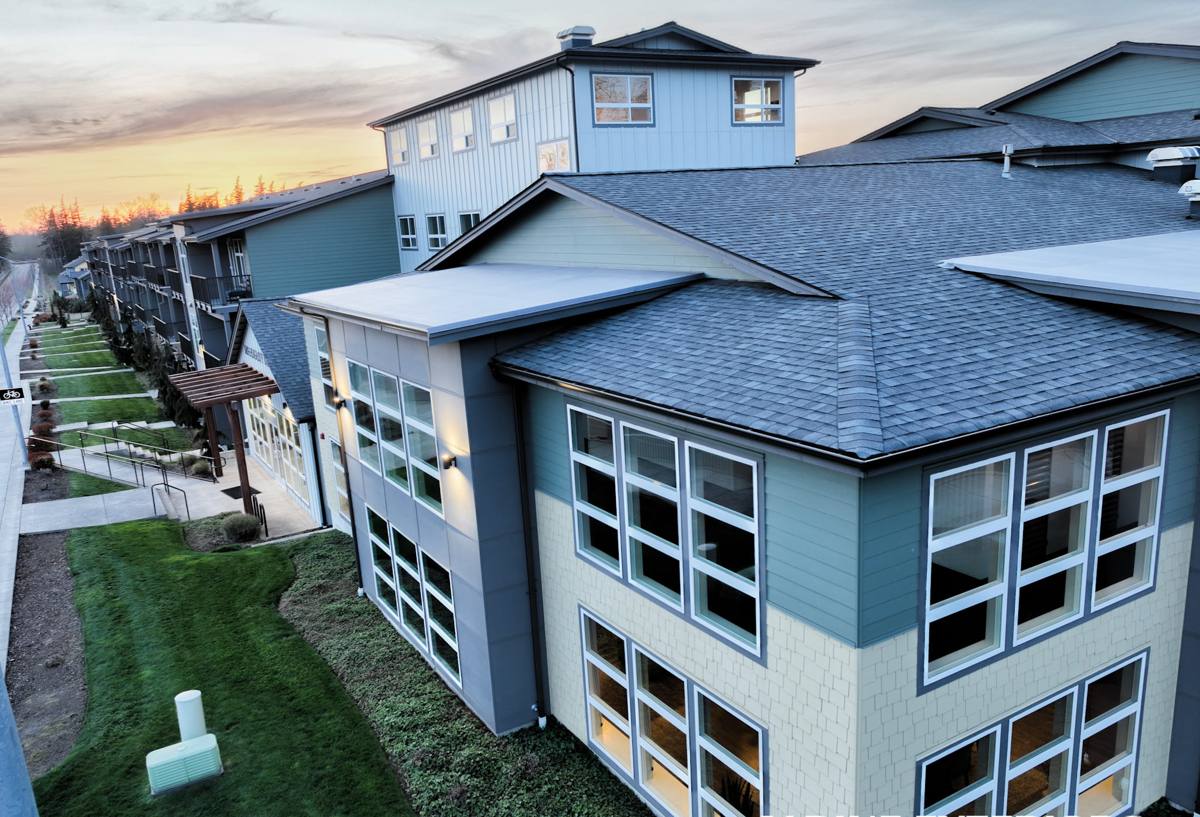
What Pinellas County's Climate Actually Does to Siding
St. Petersburg sits on a peninsula, which means every siding product on a Roser Park home is dealing with more than sun and rain. It's absorbing hurricane-force wind loads, near-constant UV exposure, and salt-laden air, sometimes all in the same storm season.
Hurricane-Force Wind
Wind doesn't just push against siding — it gets underneath it. Laps that aren't fastened to spec, or that were installed with the wrong nailing pattern for a coastal wind zone, can lift, crack at the corners, or blow off outright during a tropical system. This matters more on an older home where the original siding was never rated for today's wind-load requirements.
Year-Round UV
Florida doesn't get much of a break from the sun. Field-applied paint on wood or engineered wood siding chalks, fades, and starts peeling well before it would in a milder climate, which is part of why repainting an older home's exterior every few years becomes a routine chore instead of an occasional one.
Wind-Driven Rain and Salt Air
Rain in this region rarely falls straight down — it comes in sideways during storms and works its way behind laps and trim wherever flashing or caulking is even slightly off. Add in salt air drifting in off the bay, which speeds up corrosion on fasteners and accelerates the breakdown of untreated wood and lower-grade paint finishes, and you've got an environment that punishes shortcuts.
Why We Only Install James Hardie
We don't install LP SmartSide, vinyl siding, Cemplank, Allura, or primed spruce and cedar. That's not a marketing line — it's a standard we've held to because of what we've seen these products do, or fail to do, in exactly this climate. Engineered wood products and primed wood siding depend on an intact paint or coating layer to keep moisture out; once that layer is compromised by UV and humidity, the substrate underneath is vulnerable to swelling and rot. Vinyl is low-maintenance in mild climates but can warp, become brittle with age under constant UV, and simply isn't built to the same wind-load performance as a fiber cement product engineered for this region.
James Hardie's fiber cement siding is manufactured with a cement, sand, and cellulose fiber formulation that doesn't rot, doesn't attract termites, and won't ignite from wind-blown embers — a real consideration during Florida's dry season. Hardie also engineers its HZ5 product line specifically for regions like Florida's Gulf Coast, meaning it's formulated to resist the moisture and humidity swings we deal with here rather than a generic national spec. Its ColorPlus finish is baked on at the factory under controlled conditions, which holds color and resists fading far longer than a field-applied paint job, and it carries a strong, transferable limited warranty when installed to Hardie's specifications.
What a Correct Hardie Installation Involves in Roser Park
Matching the Historic Look
Bungalow-style homes in this neighborhood typically have a specific trim vocabulary — window and door casings, corner boards, and a lap reveal that reads as "period-appropriate" even when the materials underneath are modern. A correct install uses HardieTrim boards and a lap reveal and texture (smooth or cedarmill) chosen to match that existing character, not just whatever's fastest to install. Getting this wrong is how a re-sided historic-feeling home ends up looking generic.
Fastening and Flashing for Wind and Rain
Every fastener placement, gap width, and piece of flashing on a Hardie job is specified for a reason, and in a wind-driven-rain climate those specs aren't optional extras — they're the difference between siding that survives a named storm and siding that doesn't. That means a weather-resistive barrier installed correctly behind the boards, flashing integrated properly at every window, door, and roofline intersection, and a nailing pattern matched to the local wind zone rather than a generic minimum.
Handling Older Wall Assemblies
On a home this age, what's behind the old siding matters as much as what goes over it. Original board sheathing may be sound in some spots and soft in others; older homes often have zero house wrap at all under the original siding. Part of doing this job correctly is opening the wall up, checking sheathing and framing for rot or pest damage before anything new goes on, and addressing what's found rather than covering it up. Heavy tree canopy, common on Roser Park lots, also means more shade, more moisture retention, and more organic debris against the wall — all reasons to get the water management layer right the first time.
Siding Options Compared for a Home Like Yours
| Material | Wind/Storm Performance | Moisture & Rot Resistance | Maintenance | Typical Lifespan (installed to spec) |
|---|---|---|---|---|
| James Hardie fiber cement | Engineered for high-wind zones; HZ5 line built for Gulf Coast conditions | Won't rot or swell; resists pest damage | Low — factory ColorPlus finish, occasional caulk checks | 30+ years |
| Vinyl | Can warp or crack under sustained wind pressure and UV embrittlement | Doesn't rot itself, but seams and gaps invite moisture behind it | Low, but fades and becomes brittle over time | 15-25 years |
| Wood (cedar/primed spruce) | Vulnerable to wind-driven rain intrusion at laps | Prone to rot, swelling, and pest damage without diligent upkeep | High — repainting and sealing on a recurring cycle | 10-20 years, heavily maintenance-dependent |
| LP SmartSide (engineered wood) | Adequate when new, but performance depends heavily on coating integrity | Vulnerable once the protective coating is compromised by UV/humidity | Moderate — coating maintenance needed | 15-25 years, maintenance-dependent |
These are general performance patterns, not guarantees for any single product — actual results depend heavily on installation quality regardless of material. That's exactly why we standardized on one product line we can install correctly every time rather than juggling several.
Our Process, Start to Finish
We keep the process straightforward and try to eliminate surprises, especially on older homes where you don't always know what's behind the existing siding until it comes off.
- On-site assessment of the current siding, trim, and visible problem areas, plus a look at the home's age and construction to flag likely sheathing concerns.
- Product and color selection, including matching lap reveal and trim profile to the home's existing architectural character where that matters to you.
- Removal of the old siding and inspection of the sheathing and framing underneath, with any rot or damage addressed before new material goes up.
- Installation of weather-resistive barrier, flashing, and Hardie siding and trim to manufacturer specification for this wind zone.
- Final caulking, touch-up, and a walkthrough so you know exactly what was done and what to expect going forward.
Why a Crew That Already Works in Roser Park Matters
A siding job on an older, established St. Petersburg neighborhood isn't quite the same as one on a new-construction lot. Narrow, tree-lined streets and mature landscaping affect how material gets staged and how much room there is to work. Homes built in this era often share the same handful of framing and sheathing quirks, so a crew that's already worked on similar houses nearby knows what to expect before the first board comes off — rather than discovering it mid-project and slowing the job down. If your street or block falls under any local historic-character guidelines, it also helps to work with a crew that's used to keeping new siding looking consistent with a neighborhood's older architectural feel, instead of defaulting to whatever's easiest to install. None of that changes the fundamentals of a correct Hardie installation, but it does change how smoothly the job goes and how well the finished result fits the house and the street it's on.
Signs Your Siding Needs Attention
- Paint that's bubbling, peeling, or chalking heavily, especially on sun-exposed walls
- Soft or spongy spots when you press on the siding, a sign moisture has reached the substrate underneath
- Visible gaps, warping, or buckling at seams and corners, often worse after storm season
- Cracking or splitting along horizontal laps, particularly near ground level or under gutters
- Persistent mildew or discoloration in shaded, tree-covered sections of the exterior
- Rising energy bills that may point to compromised insulation or air sealing behind failing siding
Get a Straight Answer on Your Siding
If you're not sure whether your Roser Park home's siding needs a patch, a partial repair, or a full replacement, we're glad to take a look and tell you honestly which one it is. We'll walk the exterior with you, point out what we see, and put together a free, no-pressure estimate for a James Hardie installation built for this climate and this neighborhood — no obligation either way.