 St. Petersburg Roofing
 Pinellas Park Roofs Work Harder Than Most
Pinellas Park sits in the middle of Pinellas County, close enough to Tampa Bay and the Gulf that homes here deal with the same coastal stress as waterfront neighborhoods, just without the ocean view. That means the roof over a Pinellas Park home is doing double duty: shedding intense, near-daily UV exposure for most of the year, then standing up to hurricane-season wind and wind-driven rain that finds every weak seam, nail pop, and lifted shingle tab. Add in salt-laden air moving inland off the Gulf and Tampa Bay, and you've got a combination that ages roofing materials faster than in most parts of the country.
None of this means a Pinellas Park roof is doomed to constant repairs. It means repairs need to be done correctly the first time, with materials and techniques matched to what the climate actually does to a roof here — not a generic patch job borrowed from a milder climate.
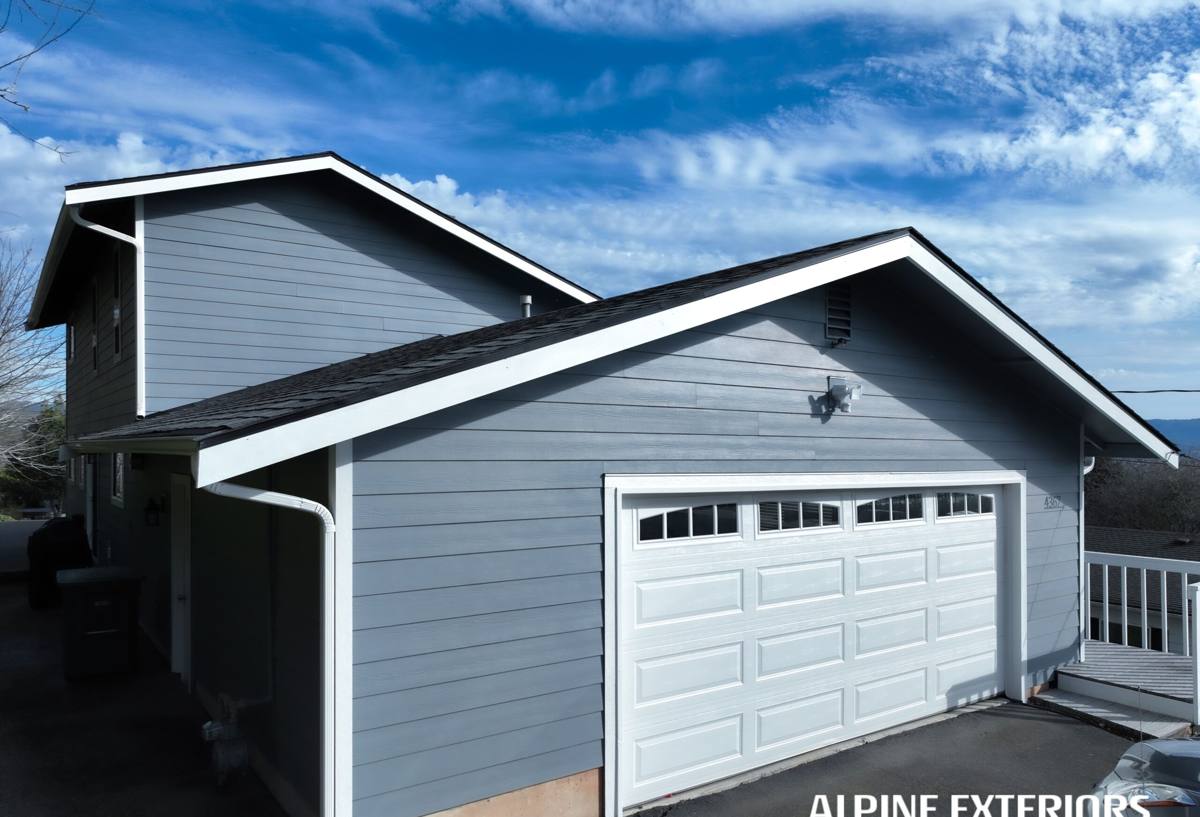
What This Climate Actually Does to a Roof
UV and Heat
Florida sun breaks down the asphalt oils in shingles, causing granule loss, brittleness, and premature cracking. A shingle that would last decades in a cooler, cloudier climate can show real wear in half that time here. UV damage is often the underlying cause behind leaks that seem to "come out of nowhere" — the shingle was already compromised, and a storm just finished the job.
Wind and Wind-Driven Rain
Pinellas County sees tropical storm and hurricane conditions on a near-annual basis. Sustained wind lifts shingle edges and works fasteners loose over time, even in storms that don't make headlines. Once a shingle tab lifts, wind-driven rain doesn't need a big opening — it can be pushed sideways and upward under flashing and shingle edges that would keep out a normal vertical rain.
Salt Air
Being inland of the immediate coastline doesn't fully protect a home from salt exposure. Salt-laden moisture in the air accelerates corrosion on exposed metal roofing components — nails, flashing, drip edge, and vent boots — which is why we see corrosion-related leaks on roofs that otherwise look intact from the ground.
Common Roof Repair Needs We See in Pinellas Park
Most repair calls in this area fall into a handful of categories:
- Lifted, cracked, or missing shingles after wind events
- Leaks around chimneys, skylights, and roof-to-wall transitions where flashing has failed
- Corroded or deteriorated pipe boots and vent flashing
- Soft spots or sagging decking from long-term, slow leaks that went unnoticed
- Nail pops and exposed fastener heads from thermal expansion and contraction
- Damaged ridge caps and hip lines from sustained wind pressure
- Granule loss and UV-brittled shingles that crack when walked on
Some of these are obvious from the ground. Others — like a slowly failing pipe boot or a flashing seam that only leaks during driving rain — aren't visible until there's already interior damage.
What a Correct Repair Actually Involves
A roof repair that holds up in this climate is more than slapping a shingle or a bead of sealant over the visible problem. We treat every repair call as a diagnostic job first, a repair job second.
Finding the Real Source
Water travels. A stain on a ceiling in one room can trace back to a flashing failure several feet away, higher up the roof plane. We trace leaks to their actual origin before doing any repair work, because patching the spot where water showed up indoors — instead of where it's getting in — just delays the next leak.
Checking the Decking, Not Just the Surface
If water has been getting in for any length of time, the plywood decking underneath the shingles may be soft, delaminated, or rotted. Repairing shingles over compromised decking doesn't fix anything — it just re-covers a structural problem. Any legitimate repair includes a check of decking condition around the damaged area.
Matching Materials and Fastening Method to Wind Exposure
Shingles, flashing, and fasteners all need to be installed with local wind uplift in mind, not just manufacturer minimums. That includes proper nail placement and count, correctly lapped flashing, and sealant products rated for sustained UV and moisture exposure rather than general-purpose caulk.
Matching the Existing Roof
Where possible, we match replacement shingles and materials to the existing roof's style, color, and profile so a repair blends in rather than creating a visible patchwork. On older roofs where an exact match isn't available, we'll tell you that up front rather than let it be a surprise.
Roofing Materials: Repair Considerations by Type
The right repair approach depends heavily on what's already on the roof. Here's how the common materials in Pinellas Park homes compare when it comes to repair work:
| Material | Typical Repair Complexity | Climate Considerations |
|---|---|---|
| Asphalt (3-tab) | Low to moderate | Ages faster under UV; wind resistance lower than architectural shingles |
| Asphalt (architectural/dimensional) | Moderate | Better wind rating and UV resistance; most common repair/replacement match in this area |
| Tile (clay or concrete) | Higher — individual tiles are brittle and easily cracked during repair | Very durable against UV and salt, but underlayment beneath tiles still fails over time and drives most tile leaks |
| Metal | Moderate — repairs require attention to fastener seals and panel seams | Excellent wind performance; salt air accelerates corrosion on lower-grade fasteners and cut edges |
We don't push homeowners toward a different roofing material just to make a repair easier. Every material above can be repaired correctly — the point is knowing the failure patterns specific to each one before we start.
Our Roof Repair Process
- Inspection and diagnosis. We get on the roof (weather permitting) and inspect the full roof plane, not just the reported problem area, since storm and UV damage rarely stays isolated to one spot.
- Honest assessment. We tell you what's actually wrong, what's causing it, and whether a repair is the right call or whether the damage points to a bigger issue.
- Written estimate. You get a clear scope of work and price before anything is touched — no verbal-only quotes.
- The repair. Damaged materials are removed back to sound decking, decking is checked and repaired if needed, and new materials are installed and properly fastened and sealed.
- Cleanup and final check. Debris and old materials are removed, and we walk the repair area with you before we consider the job done.
What Roof Repair Costs Depend On
We're not going to quote a number here that doesn't mean anything without seeing your roof, but these are the real factors that move the price up or down:
| Factor | Why It Matters |
|---|---|
| Size of damaged area | A single lifted shingle costs far less to fix than a full slope affected by wind |
| Decking condition | Rotted or soft decking adds material and labor beyond the surface repair |
| Roof material | Tile and metal repairs generally take more time and specialized handling than asphalt shingle repairs |
| Roof pitch and access | Steeper or harder-to-access roof sections require more safety setup and time |
| Flashing and penetrations involved | Repairs near chimneys, skylights, and vents involve more detail work than open shingle field repairs |
| Age of surrounding roof | Matching materials on an older roof can be harder or require broader replacement of a section instead of a spot repair |
Signs You Need a Roof Repair Now
Waiting on roof problems in this climate tends to turn a small repair into a bigger one. Call for an inspection if you notice any of the following:
- Water stains on ceilings or walls, especially after wind or rain events
- Shingles that are visibly cracked, curled, missing, or blown into the yard
- Granules collecting in gutters or at downspout outlets
- Daylight visible through the attic roof deck
- Soft or spongy spots on the roof surface
- Rusted or lifted flashing around chimneys, vents, or skylights
- Sagging areas along the roofline
- A noticeable rise in indoor humidity or musty smell in upper rooms
Repair vs. Replace: How We Decide
Not every damaged roof needs a full replacement, and not every roof is a good candidate for another round of patch repairs. We look at a few honest questions before recommending either direction: How much of the roof's total service life is left based on its age and condition? Is the damage isolated, or is it a symptom of widespread wear across the whole roof? Would a repair actually last, or would it just be a stopgap before the next issue shows up nearby? If a repair is the right call, we'll say so — recommending a full replacement when a repair would genuinely hold up doesn't serve you, and it doesn't build the kind of reputation we want in this community.
Why Working With a Crew That Already Knows Pinellas Park Matters
A roofing crew that regularly works in Pinellas Park and the surrounding Pinellas County area brings a few real advantages over a contractor coming in from outside the region. We know the wind exposure patterns and typical roof ages in local neighborhoods, which speeds up an accurate diagnosis. We're familiar with Pinellas County permitting requirements for roof work, so repairs that need a permit get handled correctly instead of creating problems at resale. And because we're not driving in from another county, we can respond faster when storm damage needs to be assessed and tarped before the next round of rain moves through.
That local familiarity also means we've seen how specific materials and installation shortcuts hold up — or don't — under real Pinellas County conditions over multiple storm seasons, not just in a manufacturer's spec sheet.
Get an Honest Look at Your Roof
If you're dealing with a leak, storm damage, or just want a second opinion on a roof that's showing its age, we're glad to come take a look. We'll give you a straight answer about what's going on and what it will take to fix it right — no pressure, no upsell. Fill out the form below to schedule your free estimate.