 St. Petersburg Roofing
 New-Construction Windows for a Roser Park Home
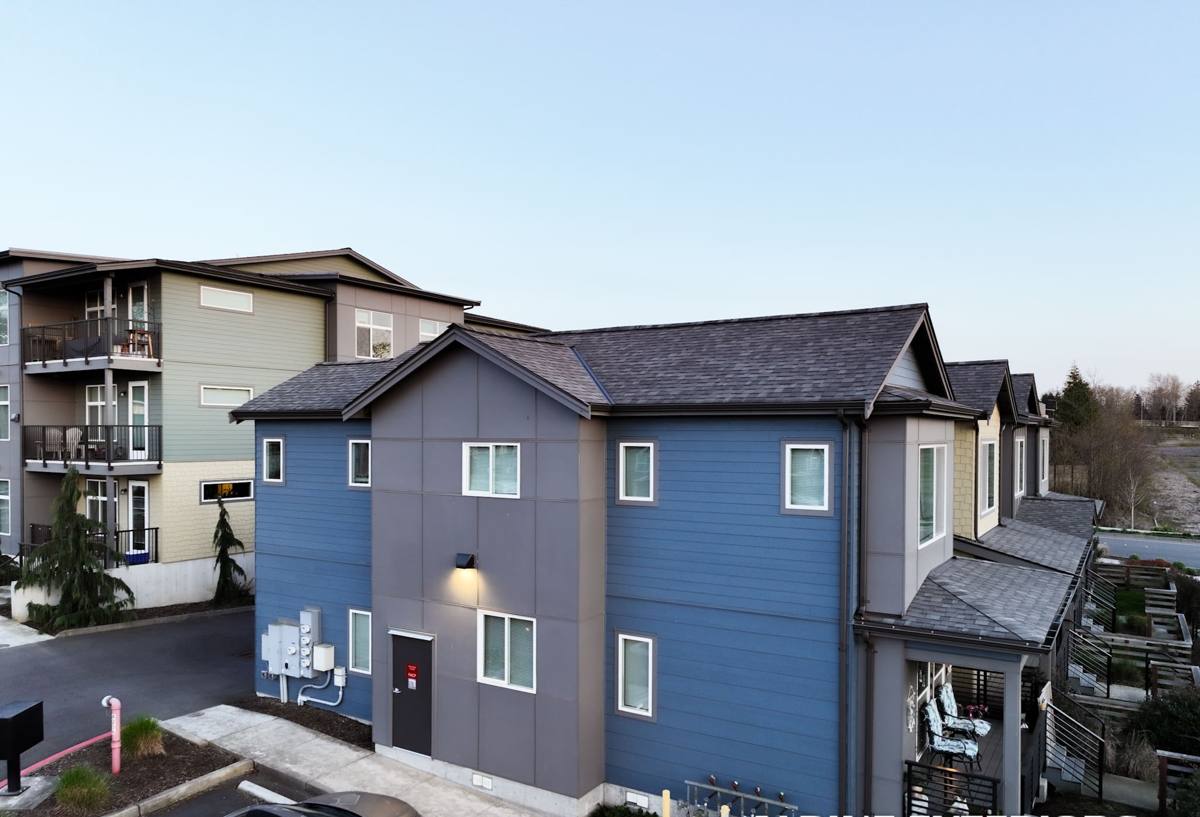
Roser Park sits close to downtown St. Petersburg, with a mix of older bungalow and cottage-style homes alongside newer infill construction and additions. When a home in this neighborhood is being built from the ground up, or when an addition, garage conversion, or full rebuild calls for windows going into fresh framed openings, the job is fundamentally different from swapping out an old window in an existing wall. New-construction windows are installed with a nailing fin directly to the sheathing before siding, stucco, or brick veneer goes on, and the flashing and weatherproofing details have to be right the first time — there's no old frame to fall back on if something is missed.
We work new-construction window installs across St. Petersburg and Pinellas County, and Roser Park's blend of historic-character homes and newer builds means we regularly deal with both traditional window openings and modern, larger-glass designs on the same block. Getting the product, the installation sequence, and the code compliance right matters more here than almost anywhere, because this is a coastal, hurricane-exposed part of Florida.
What Pinellas County's Climate Demands From New Windows
St. Petersburg sits on a peninsula surrounded by Tampa Bay and the Gulf, and that location shapes everything about how a window needs to perform. Four things wear on windows here more than in most of the country:
- Hurricane-force wind: Pinellas County is in a high-velocity hurricane zone, and windows have to be engineered and installed to resist wind pressure and windborne debris impact, not just look sturdy.
- Intense, year-round UV: Florida sun degrades vinyl, seals, and glass coatings faster than in northern climates, which affects both the window's lifespan and how much heat gets into the house.
- Wind-driven rain: Storms here don't just rain down, they push water sideways into wall assemblies. Flashing details around a new-construction window opening have to shed that water, not just block it.
- Salt air: Even a few miles inland from the bay, salt-laden air accelerates corrosion of hardware, fasteners, and metal components if they're not rated for coastal exposure.
A window built and installed for a dry, inland climate simply won't hold up the same way in St. Petersburg. That's the standard we install to on every job, whether it's a single window on an addition or a full house of new openings.
Why New-Construction Detailing Matters More in a Hurricane Zone
Because a new-construction window is set into an open, unfinished wall, we control the entire moisture and structural path around it — the rough opening prep, the sill pan, the flashing tape, the fastening schedule, and the sealant. Done correctly, this is actually an advantage over a retrofit: there's no old caulk, hidden rot, or previous installer's shortcuts to work around. Done incorrectly, it's the single most common source of long-term water intrusion in Florida homes, because a flaw gets sealed behind siding or stucco and isn't visible again until there's a stain on drywall or wood rot years later.
New-Construction vs. Retrofit (Replacement) Windows
Homeowners sometimes use "new windows" loosely, but the installation method matters a lot for cost, timeline, and long-term performance. Here's the practical difference:
| Factor | New-Construction Install | Retrofit / Replacement Install |
|---|---|---|
| When it applies | New builds, additions, framed openings with exterior finish not yet installed | Existing walls with siding/stucco already finished |
| Attachment method | Nailing fin fastened directly to sheathing | Window fits inside existing frame, fastened through the jamb |
| Flashing access | Full access to wrap and flash the rough opening before finish goes on | Limited — depends on what's exposed once old window is removed |
| Sightline / glass area | Can be sized to the framed opening for maximum glass | Typically slightly smaller than the original due to frame-in-frame fit |
| Best fit for | New homes, additions, full renovations opening walls to studs | Existing homes keeping current siding/stucco intact |
If your Roser Park project involves opening walls to the studs for an addition or rebuild, new-construction windows are almost always the better long-term choice — they give a cleaner moisture seal and let you maximize glass size in the opening.
Window Products That Hold Up in This Climate
Frame Materials
We install impact-rated new-construction windows in vinyl, aluminum, and fiberglass frames. Each has trade-offs worth understanding rather than defaulting to whatever's cheapest:
- Vinyl: Good value, decent insulation, but can expand/contract more in extreme heat over a long lifespan — fine for most residential applications when properly reinforced for impact ratings.
- Aluminum: Strong and slim-profile, historically common in Florida, but needs coastal-grade coatings and hardware to resist salt air corrosion long-term.
- Fiberglass: Dimensionally stable in heat and generally the most durable against UV and moisture over decades, at a higher upfront cost.
Glass and Impact Rating
In Pinellas County's wind zone, new-construction windows need to meet Florida Building Code impact standards for the applicable wind-borne debris region — either impact-rated glass or an approved protection system. We spec laminated impact glass with a low-E coating on most jobs: the lamination resists debris impact and the low-E coating cuts UV transmission and heat gain, which matters given how much direct sun this area gets nearly year-round. We'll walk through what's actually required for your specific address and wind zone rather than assuming a blanket answer, since requirements can vary by lot and structure.
Our Installation Process
1. Opening Prep and Inspection
Before a window ever goes in, we confirm the rough opening is square, plumb, and sized correctly, and that the sheathing is sound. On additions and rebuilds we coordinate directly with framing so openings are right the first time.
2. Sill Pan and Flashing
We install a sloped sill pan and integrate flashing tape with the house wrap in the correct shingle-lap sequence — this is the detail that determines whether wind-driven rain sheds away from the structure or works its way in over time.
3. Setting and Fastening
The window is set, shimmed level and plumb, and fastened through the nailing fin per the manufacturer's schedule and Florida Building Code requirements for the wind zone — this isn't a spot where we eyeball fastener spacing.
4. Sealing and Insulating
Perimeter gaps are insulated and sealed with appropriate sealants, and the exterior is taped and flashed before siding, stucco, or veneer closes it in.
5. Final Check and Documentation
We check operation, weatherstripping, and hardware, and where required, coordinate inspection sign-off so the work is documented for permitting and any future insurance or resale needs.
Permitting and Code in St. Petersburg
New-construction window work in Pinellas County typically requires a building permit and inspection, since it affects the structural and weatherproofing envelope of the home. We handle the permit process and coordinate inspections as part of the job — this isn't something we skip to save time, because unpermitted window work can create real problems at resale or with insurance claims down the road. It also means the flashing and installation get a second set of eyes beyond our own crew, which is a good thing on a coastal home.
Why a Crew That Already Works Roser Park Matters
Roser Park's mix of older homes, additions, and newer infill construction means the window openings on any given block can vary a lot — different framing eras, different original construction quality, different exposure depending on how close a lot sits to the ravine or open sun. A crew that's already worked in this specific neighborhood has a feel for that variation and doesn't treat every job like a copy-paste of the last one. We also know the practical realities of working in a close-in, established St. Petersburg neighborhood — tighter lots, on-street parking considerations, and coordinating with neighbors during a build. That local familiarity translates into fewer surprises mid-project and a crew that shows up prepared for what your specific home actually needs.
What Affects the Cost of New-Construction Windows
| Cost Factor | Why It Matters |
|---|---|
| Frame material | Vinyl generally costs less upfront than fiberglass; aluminum falls in between depending on coating and reinforcement |
| Impact rating | Impact-rated laminated glass costs more than standard glass but is often required by code in this wind zone |
| Window size and count | Larger openings and higher total window count increase both material and labor cost |
| Opening condition | Framing that needs correction before install adds labor time |
| Access and site conditions | Multi-story openings or tight lot access can affect labor and equipment needs |
Costs vary widely project to project, so rather than quote a number that won't reflect your actual home, we prefer to walk the site, look at the openings, and give you a real figure based on what's in front of us.
A Practical Checklist Before You Start
- Confirm whether your project is new-construction (framed opening, no finish yet) or retrofit into an existing finished wall
- Ask what impact rating and wind zone requirements apply to your specific address
- Decide on frame material based on budget, maintenance tolerance, and how long you plan to own the home
- Confirm low-E glass coatings are included if reducing heat gain and UV fading indoors matters to you
- Verify the contractor is pulling permits and coordinating required inspections
- Ask how sill pans and flashing will be integrated with your house wrap or weather barrier
- Get a written scope that specifies frame material, glass package, and impact rating — not just "windows"
Get a Straight Answer for Your Roser Park Project
If you're planning new-construction windows for a build, addition, or renovation in Roser Park, we're glad to come take a look, walk the openings, and give you an honest read on product options, code requirements, and realistic cost — no pressure, no upsell script. Fill out the form below to schedule a free estimate.