 St. Petersburg Roofing
 Siding in Historic Kenwood Has to Do More Than Look the Part
Historic Kenwood is one of St. Petersburg's older residential neighborhoods, built up in the early 1900s and known for its bungalow and Craftsman-style homes. Houses in this part of Pinellas County have already lived through decades of Gulf Coast weather, and whatever siding goes on next has to hold up to the same conditions for decades more. That means standing up to salt-laden air moving in off Tampa Bay, sun exposure that runs hard almost every month of the year, sideways rain during summer storms, and the real possibility of hurricane-force wind loads. A siding job here isn't just a cosmetic upgrade — it's a decision about how well the house is protected for the next 30-plus years.
We install James Hardie fiber cement siding exclusively. That's not a marketing preference — it's a standard we hold because of what we've seen happen to other materials on homes exactly like the ones in Kenwood.
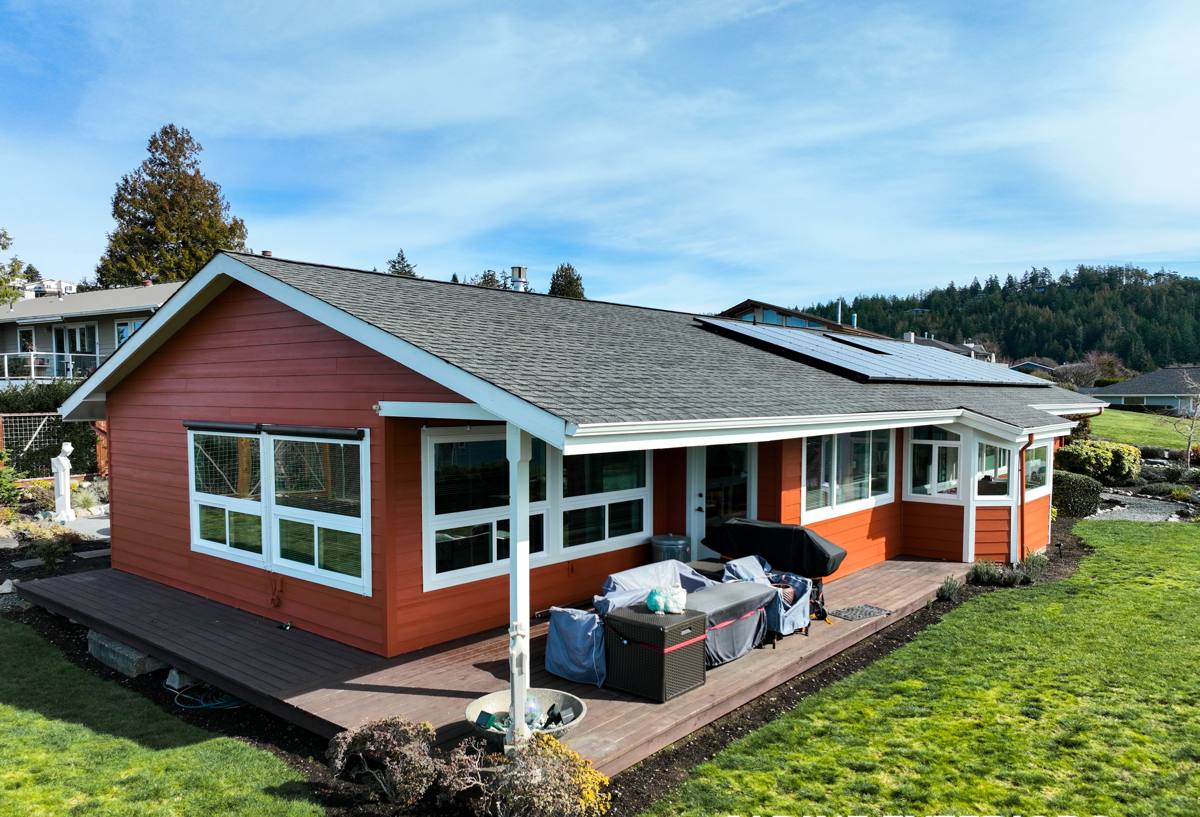
What Pinellas County Climate Actually Does to Siding
Salt Air and Humidity
St. Petersburg sits on a peninsula, and Historic Kenwood is close enough to the water that salt content in the air is a constant factor, not an occasional one. Salt accelerates corrosion on fasteners and trim, and it settles into porous or poorly sealed siding surfaces, contributing to premature breakdown of paint films and substrate materials.
Year-Round UV Exposure
Florida doesn't give siding an off-season. Constant UV breaks down pigment and resin in lower-grade paints and coatings, which is why so many homes in older neighborhoods show chalking, fading, or blotchy color a few years after a repaint. A factory-applied finish engineered for UV resistance behaves very differently than a field-applied coat over bare material.
Wind-Driven Rain
Afternoon storms here don't just fall straight down — wind pushes rain sideways and up under laps, seams, and trim edges. Any siding system that isn't installed with correct flashing, clearances, and water-shedding details will eventually let moisture behind the cladding, which is where real damage starts.
Hurricane-Force Wind Loads
Pinellas County homes need siding rated and fastened to hold up under high wind pressure, not just to survive a storm intact but to keep water out of the wall assembly during it. Fastener pattern, nailing schedule, and product wind rating all matter more here than in most parts of the country.
Why We Install James Hardie and Nothing Else
James Hardie fiber cement is manufactured in HZ product lines engineered for specific climate zones, and Gulf Coast Florida falls into the humidity and moisture exposure category the HZ5 formulation is built to handle. It's non-combustible, it doesn't swell, rot, or delaminate the way wood-based or wood-adjacent products can when they take on repeated moisture, and it holds its shape in heat and humidity swings better than vinyl, which can warp or sag on south- and west-facing walls in Florida sun.
The factory-applied ColorPlus finish is baked on under controlled conditions and backed by its own finish warranty — a meaningful difference from field-applied paint, which is only as good as the weather conditions and prep work on the day it goes on. On a historic-style home where the color needs to read correctly against trim, roofline, and neighboring houses, a consistent factory finish also just looks better and stays looking better longer.
Fiber Cement vs. Other Common Siding Choices
| Factor | James Hardie Fiber Cement | Vinyl | Wood / Wood-Composite |
|---|---|---|---|
| Salt air resistance | Engineered for coastal/humid climates (HZ5) | Doesn't corrode, but can become brittle over time | Vulnerable to moisture intrusion and rot |
| UV/color stability | Factory ColorPlus finish, warrantied | Can fade or chalk with sun exposure | Field-applied paint fades, needs recoating |
| Wind performance | Rated for high wind zones when installed to spec | Can crack or blow off in high gusts | Depends heavily on fastening and material quality |
| Moisture behavior | Does not rot; manages water when detailed correctly | Doesn't absorb water but traps moisture behind panels | Absorbs moisture, prone to swelling and decay |
| Fire resistance | Non-combustible | Can melt/deform under heat | Combustible |
What a Correct Historic Kenwood Installation Involves
Fiber cement siding is only as good as the installation behind it. On the bungalow and Craftsman-style homes common to this neighborhood, a few details matter more than others:
- Proper starter strip and level baseline so long horizontal lap lines stay straight across porches, bump-outs, and gable ends
- Correct fastener type, spacing, and embedment for coastal wind zone requirements — not a generic nailing pattern
- Weather-resistive barrier installed and lapped correctly behind the siding, with attention to any existing sheathing condition on an older home
- Rainscreen or drainage gap detailing where wall assembly and code call for it, so incidental moisture can drain and dry
- Flashing at every window, door, and trim intersection — the majority of moisture problems trace back to a flashing detail, not the siding material itself
- Correct clearance from roof lines, decks, and grade so wicking moisture doesn't sit against the bottom edge of the siding
- Caulking only where James Hardie's installation instructions call for it — over-caulking traps moisture just as often as under-caulking lets it in
- Trim and corner details that respect the original architectural lines of the home rather than flattening them out
Any one of these done wrong can shorten the life of an otherwise good product by years. This is where hiring based on experience with this exact material, in this exact climate, actually pays off.
Our Process for a Historic Kenwood Home
1. On-Site Assessment
We walk the exterior, check existing siding and sheathing condition, look at trim, window and door flashing, roofline transitions, and any moisture-prone areas particular to the home's age and orientation.
2. Scope and Product Selection
We confirm the correct James Hardie product line and profile — lap siding, board and batten, or shingle-style panels — based on what suits the home's existing architecture and what performs best given sun and wind exposure on each elevation.
3. Tear-Off and Substrate Check
Old siding comes off and we inspect the sheathing underneath. On a home from this era, this step sometimes uncovers hidden moisture damage from years of prior water intrusion — we address that before anything new goes up, not after.
4. Weather Barrier and Flashing
A properly lapped weather-resistive barrier goes on first, followed by flashing at every penetration and opening. This stage determines how the wall handles wind-driven rain for the life of the siding, so we don't rush it.
5. Installation to Manufacturer Spec
Panels or lap boards go up following James Hardie's published fastening and clearance requirements for our wind zone, keeping sightlines straight and trim details consistent with the home's original character.
6. Final Inspection and Cleanup
We walk the finished job checking fastener lines, caulk joints, trim tie-ins, and color consistency before we consider it done.
Why a Local Crew Matters for This Neighborhood
Historic Kenwood homes tend to share certain traits — narrow lot setbacks, older sheathing, porch and gable details that aren't found on newer construction, and, in some cases, historic district considerations that affect what changes are appropriate to the home's exterior. A crew that has already worked in this neighborhood knows what those homes tend to need before the tear-off even starts. That includes recognizing likely moisture damage patterns from decades of Gulf Coast weather, working around older construction methods without causing new problems, and matching trim and reveal details so the finished product still reads as a period home rather than a mismatched retrofit.
It also matters for accountability. A crew that works this area regularly has a reputation to protect with neighbors who talk to each other, and that's a different incentive structure than a crew passing through from outside the county.
What to Check Before Hiring Anyone for Siding Work Here
- Are they installing to the manufacturer's published fastening schedule for our wind zone, or just "however they usually do it"?
- Do they inspect and address sheathing condition before installing new siding, or just cover over what's there?
- Can they explain their flashing plan at windows, doors, and trim before work starts?
- Are they licensed and insured to work in Pinellas County, and can they provide proof without hesitation?
- Do they have experience with older, historic-style homes specifically, not just new construction?
What This Costs to Get Right
Fiber cement siding is a mid-to-upper investment compared to vinyl, and pricing depends on the size and complexity of the home, how much trim and detail work the architecture calls for, and what condition the existing sheathing is in once tear-off starts. Homes with more gables, porches, and trim transitions — common in Historic Kenwood — take more labor than a simple rectangular footprint, which affects the estimate. We don't quote a number without seeing the home first, because guessing on an older property usually means guessing wrong.
If you're weighing a siding replacement on a Historic Kenwood home, we're glad to come take a look and walk you through what your home specifically needs. The estimate is free, there's no pressure attached to it, and you can use the form below to get started.