 St. Petersburg Roofing
 Roofing in Gulfport Has to Handle More Than Just Rain
Gulfport sits close enough to the water that its roofs deal with a different combination of stresses than homes further inland. Between hurricane-season wind loads, salt-laden air rolling off the bay, and roughly ten months a year of intense direct sun, an asphalt shingle roof here ages differently than the same roof would in a drier, cooler climate. None of that means asphalt shingles are the wrong choice — they're still the most common and most cost-effective roofing material for homes in this part of Pinellas County. It means the installation details matter more, and cutting corners shows up faster.
We work on shingle roofs throughout the St. Petersburg area, and Gulfport homes tend to share a few things in common: many were built decades ago with additions and re-roofs layered on over the years, lot sizes are tight enough that access and staging matter, and the mix of older bungalows and newer infill means no two roofs are quite the same shape. A generic roofing job doesn't account for any of that. A correct one does.
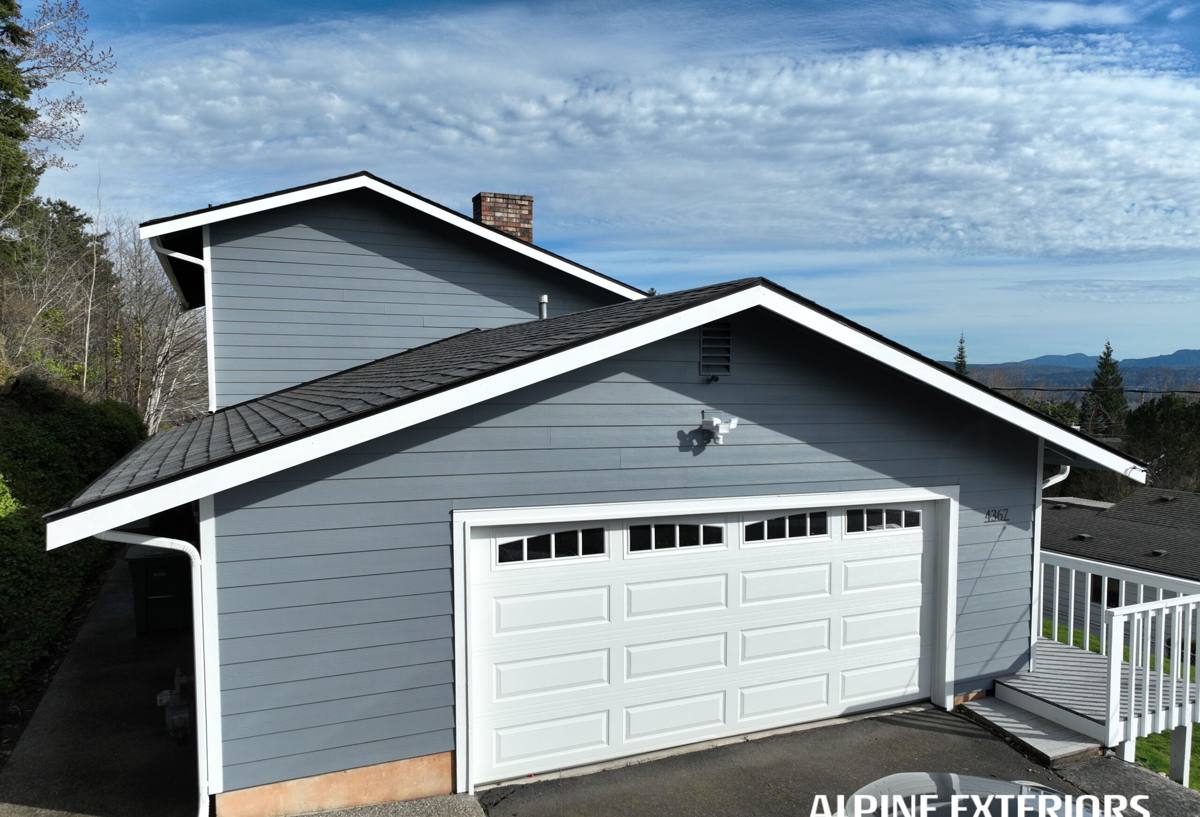
What a Correct Asphalt Shingle Job Looks Like Here
An asphalt shingle roof is a system, not just a layer of shingles nailed to plywood. Every component underneath the visible shingle plays a role in how the roof performs during a summer thunderstorm or a tropical system, and skipping any one of them is usually where leaks and premature failure start.
Underlayment and Wind Resistance
Wind-driven rain is one of the biggest threats to a roof in this area — it doesn't take a direct hurricane hit, just a strong afternoon storm pushing rain sideways under improperly sealed shingles. We install synthetic or self-adhering underlayment rated for the exposure, seal all fastener penetrations, and follow the nailing pattern and fastener count required for the shingle's wind rating. Higher wind-rated shingles only perform to that rating if they're installed exactly to the manufacturer's pattern — extra nails placed correctly, not just extra nails placed anywhere.
Ventilation
Florida attics run hot for most of the year, and poor ventilation shortens the life of a shingle roof from the inside out by baking the shingles from underneath and trapping moisture. A correct install balances intake at the soffits with exhaust at the ridge or roof vents, sized to the attic's square footage — not just whatever vents happen to already be there.
Flashing and Penetrations
Valleys, chimneys, skylights, and pipe boots are where the majority of shingle roof leaks actually originate, not the open field of shingles. We flash these areas properly rather than relying on roofing cement as a substitute for correct flashing, since caulk and mastic degrade under UV exposure far faster than metal flashing does.
Starter Course and Drip Edge
Two of the most commonly skipped details on a shingle roof are the starter course along the eaves and rakes, and continuous drip edge flashing. Without a proper starter course, the first row of shingles has nothing to seal against and is far more likely to lift in wind. Drip edge directs water off the roof deck and away from the fascia instead of letting it wick back underneath — a small piece of metal that prevents a surprising number of rot problems at the roof's edges.
What Salt Air and Year-Round UV Do to a Shingle Roof
Two things wear out shingle roofs in this part of Florida faster than almost anywhere else in the country: constant UV exposure and airborne salt.
UV breaks down the asphalt binder in shingles over time, causing granules to loosen and shed. Once enough granules are gone, the shingle underneath is exposed directly to sun and water, and that section ages much faster than the rest of the roof. Salt air, meanwhile, accelerates corrosion on any exposed metal — flashing, nail heads, vent stacks, and drip edge — which is why we use corrosion-resistant fasteners and flashing materials rather than standard-grade hardware on homes this close to the water.
Both of these are gradual. A roof that looks fine from the ground can already have significant granule loss or early flashing corrosion that only shows up on a close inspection.
Repair, Partial Replacement, or Full Reroof?
Not every roof problem calls for a full tear-off. If damage is limited to a small area — a section lifted in a storm, a cracked pipe boot, a few missing shingles after high winds — a targeted repair can be the right call, provided the surrounding shingles and decking are still in good shape and matching shingles are available. We'll always tell you when a repair is a reasonable option rather than defaulting to a full replacement.
Full replacement makes more sense once a roof is showing widespread granule loss, multiple past repairs, shingles nearing the end of their rated lifespan, or damage spread across more than one section of the roof. Patching an older roof that's failing broadly usually just delays a bigger expense and can leave you with mismatched shingle colors and inconsistent wind performance across the roof. We'll give you an honest read on which category your roof falls into before recommending either path.
Choosing the Right Shingle for a Gulfport Home
Not every asphalt shingle product is built for this exposure, and the right choice usually comes down to balancing upfront cost against wind performance and expected lifespan in coastal-adjacent conditions.
| Shingle Type | Typical Wind Rating | Expected Lifespan Here | Trade-offs |
|---|---|---|---|
| 3-tab | Lower (60-70 mph range) | Shorter | Lowest upfront cost, but less margin against seasonal storm winds and less algae/UV resistance |
| Standard architectural (laminate) | Higher, dimensional construction | Longer than 3-tab | Best balance of cost and performance for most homes in this area |
| Impact-rated / high-wind architectural | Highest available in shingle products | Longest | Higher upfront cost, may qualify for insurance premium credits |
We also favor shingles with algae-resistant granules for this climate — the humidity and shade from mature trees common in Gulfport neighborhoods create ideal conditions for the dark streaking that algae causes on standard granules.
Our Process for a Gulfport Roofing Project
The steps themselves aren't unusual, but doing each one properly is what separates a roof that lasts from one that doesn't.
- Inspection and estimate — we look at the existing roof, decking condition, ventilation, and flashing details, and give you a written estimate that spells out materials and scope.
- Permitting — roof replacements require a permit through the local building department; we handle that paperwork as part of the job.
- Tear-off — old shingles and underlayment come off down to the deck so we can actually see the plywood underneath, rather than roofing over problems.
- Deck repair — any soft, delaminated, or water-damaged decking gets replaced before anything new goes down.
- Underlayment, flashing, and shingle installation — installed to the shingle manufacturer's wind-rated specification.
- Cleanup and final walkthrough — magnetic sweep for nails, debris removal, and a final inspection with you before we call the job done.
What Affects the Cost of an Asphalt Shingle Roof in This Area
Every roof is priced individually, but the same handful of factors move the price up or down on most jobs we quote in the Gulfport area.
| Factor | Why It Matters |
|---|---|
| Roof size and pitch | More square footage and steeper pitches take more material and labor time |
| Number of existing layers | Tear-off of multiple old layers costs more than a single-layer removal |
| Decking condition | Rotted or delaminated plywood found during tear-off adds material and labor |
| Shingle class chosen | 3-tab, standard architectural, and impact-rated products carry different material costs |
| Roof complexity | Valleys, dormers, chimneys, and skylights all add flashing work and labor time |
| Access and staging | Tight lots, landscaping, or limited driveway access can affect setup time |
We won't quote a number over the phone without seeing the roof — too many of these factors only become clear on-site — but we'll always walk you through what's driving the price on your specific home.
Maintenance That Actually Extends the Life of Your Roof
A correctly installed shingle roof still needs occasional attention, especially in a climate that puts this much wear on a roof year after year.
- Have the roof inspected after any significant storm, even if you don't see obvious damage from the ground
- Keep gutters and valleys clear of leaves and debris so water can drain instead of pooling
- Trim back tree limbs that overhang the roof to reduce debris buildup and abrasion
- Watch for granule buildup in gutters, which signals accelerating shingle wear
- Check for dark streaking on the shingles, which usually indicates algae growth rather than dirt
- Have flashing around chimneys, vents, and skylights checked periodically, since these are the most common leak points
- Schedule a professional inspection every few years even with no visible problems, since some issues aren't visible from the ground
Why It Matters That We Already Work in Gulfport
A roofing crew that already works in this neighborhood knows the local permitting process, has a feel for the typical roof ages and construction styles here, and isn't guessing at what this exposure does to a roof over time. That familiarity shows up in small ways — knowing to check for the flashing details common on older Gulfport homes, or recognizing early salt-air corrosion before it becomes a leak. It also means we're not learning on your roof; we're applying what we already know works in this specific climate and this specific part of Pinellas County.
If you're dealing with an aging shingle roof, storm damage, or you're just planning ahead before the next storm season, we're happy to take a look. Fill out the form below for a free, no-pressure estimate — we'll walk the roof, tell you honestly what condition it's in, and lay out your options in plain terms.