 St. Petersburg Roofing
 Why Euclid-St. Paul Homeowners Are Turning to Composite Decking
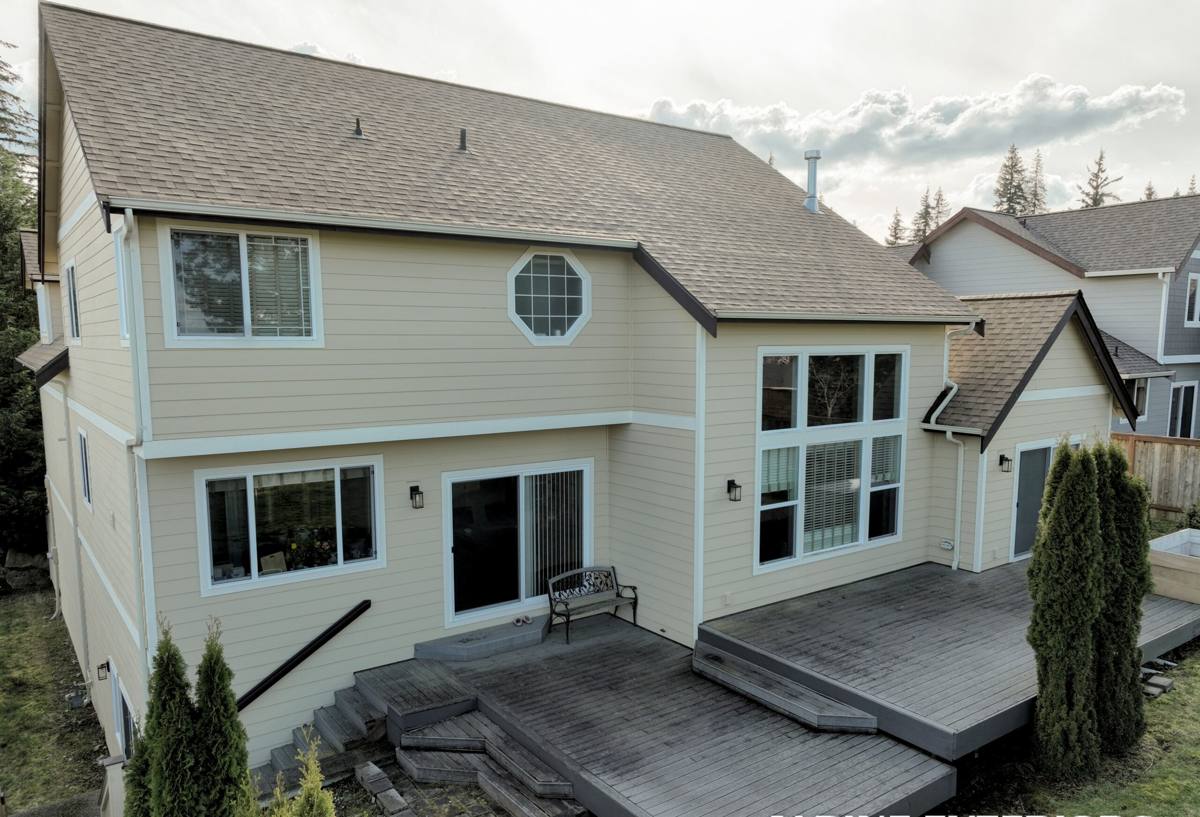
Euclid-St. Paul is an older, established part of St. Petersburg, and a lot of the outdoor living spaces here were built decades ago under very different weather assumptions. When a deck needs replacing — or when a homeowner is adding one for the first time — composite decking has become the practical choice for a simple reason: it's built to shrug off exactly the conditions that wear out wood decking in this part of Pinellas County. Intense year-round UV, salt-laden air off Tampa Bay, wind-driven rain, and the occasional hurricane-force gust all take a toll on any exterior surface, and a deck sits right in the middle of that exposure with no roof overhead to shield it.
We're a roofing and exteriors contractor first, which means our whole trade is built around keeping water out and materials intact under Florida sun. Decking uses a lot of the same skills — flashing where a structure meets the house, fastener selection that won't corrode, substructure that can take wind uplift — so it's a natural extension of what we already do every day in this neighborhood.
What Pinellas County Weather Really Does to a Deck
UV and Heat
St. Petersburg gets some of the most direct, sustained sun exposure in the country. Wood decking exposed to that level of UV dries out, splits, and silvers within a few seasons unless it's stained and sealed on a strict schedule. Lower-grade composite boards can fade too, which is why board quality and cap technology matter more here than in a milder climate.
Humidity and Moisture Cycling
Florida's daily cycle of humidity, afternoon storms, and hot sun means decking materials swell and dry out constantly. Wood expands and contracts with that cycling, which loosens fasteners and opens gaps where water sits and rot starts. Composite boards handle this cycling with far less dimensional movement.
Salt Air
Even away from the immediate waterfront, St. Petersburg's proximity to Tampa Bay and the Gulf means salt is present in the air across the whole city, including inland neighborhoods like Euclid-St. Paul. Salt accelerates corrosion in fasteners, brackets, and any exposed metal hardware. This is one of the most overlooked failure points on decks that otherwise look fine — the boards hold up, but the screws and structural connectors underneath don't.
Wind-Driven Rain and Storm Load
During hurricane season, rain doesn't fall straight down here — it drives sideways under eaves, into ledger connections, and behind fascia. A deck's ledger board attachment to the house, and the fasteners holding the whole structure together, need to be rated for the wind loads this area actually sees, not just built to a minimum.
Composite vs. Wood: A Straight Comparison
We install both, but for this climate, most homeowners end up choosing composite once they see the real trade-offs side by side.
| Factor | Pressure-Treated Wood | Composite Decking |
|---|---|---|
| Annual maintenance | Sanding, staining, and sealing every 1-2 years | Occasional soap-and-water cleaning |
| UV fade/graying | Noticeable within one to two Florida summers if untreated | Minimal with a quality capped board |
| Moisture/rot resistance | Vulnerable at cut ends, fastener holes, and ground contact | Resists rot; still needs proper drainage detailing |
| Splintering/cracking | Common as boards dry and age in the sun | Not a factor with modern composite |
| Upfront material cost | Lower | Moderate to higher |
| Realistic lifespan here | 10-15 years with diligent upkeep | 25-30+ years with correct installation |
| Fastener/hardware needs | Standard exterior screws often used | Marine-grade or coated hardware recommended regardless of decking material |
None of this means wood is a bad product — it's a legitimate, lower-cost option for homeowners willing to keep up with maintenance. Our standard is to recommend composite when a homeowner wants to spend less time on upkeep, because the long-term cost of neglected wood maintenance in this climate usually outweighs composite's higher sticker price.
What a Correctly Built Composite Deck Involves
A composite deck is only as good as what's underneath it. Most of the composite deck failures we get called out to inspect trace back to installation shortcuts, not the boards themselves.
- Ledger attachment: Where the deck framing ties into the house needs proper flashing and lag bolting into structural framing — not just screws into siding or trim.
- Joist spacing: Composite boards typically need tighter joist spacing than wood, especially on diagonal or picture-frame layouts. Following the manufacturer's spec here is non-negotiable for long-term flatness.
- Hidden fastener systems: Most composite boards are designed for hidden clip systems rather than face screws, which keeps water out of the fastener point and gives a cleaner look.
- Corrosion-resistant hardware: Every bracket, joist hanger, and fastener should be rated for coastal exposure. This is where salt air does its damage if cheaper hardware gets used.
- Ventilation and drainage under the deck: Composite doesn't rot, but the framing underneath it can if airflow and drainage aren't designed in from the start.
- Wind-rated connections: Post bases, joist hangers, and ledger bolts should be sized for the wind loads this area is built to withstand, not the bare minimum.
Our Process, Start to Finish
1. Site Visit and Assessment
We come out, look at the existing structure (if there is one), check for any rot, drainage issues, or ledger problems, and take real measurements. This is also when we talk through how the deck gets used, so the layout and material choice actually fit the home.
2. Design and Material Selection
We walk through board colors, profiles, and railing options, and we're straightforward about what performs well in direct Florida sun versus what will fade or heat up more underfoot. We also spec the substructure and hardware at this stage, not as an afterthought.
3. Permitting
Deck construction and replacement in St. Petersburg and Pinellas County generally requires a permit, and structural work tied into the house triggers inspection requirements. We handle the permit submission and schedule the required inspections so the homeowner isn't stuck figuring out the city process.
4. Build
Demolition of any old structure (if applicable), framing, ledger and post work, then decking and railing installation. We build to the wind and moisture details described above, not just to pass a visual inspection.
5. Final Walkthrough
Before we consider the job done, we walk the finished deck with the homeowner, check every rail and board, and go over basic care so the deck actually reaches the lifespan it's built for.
Choosing the Right Boards and Hardware
"Composite decking" isn't one product — quality and construction vary a lot between manufacturers and product lines, and that's where a lot of the real performance difference in this climate shows up.
Capped vs. Uncapped Composite
Capped composite boards have a protective outer shell bonded to a composite core, which is what gives them their stain, fade, and moisture resistance. Uncapped composite is more absorbent and more prone to fading and staining under constant Gulf Coast sun. For this area, we treat a capped board as the baseline, not an upgrade.
Color and Heat
Darker composite boards get noticeably hot underfoot in direct Florida sun. We'll talk through lighter and mid-tone color options where comfort matters, especially for pool decks and areas without much shade.
Hardware
Stainless steel or coated, corrosion-rated fasteners and structural connectors are worth the modest upcharge over standard galvanized hardware, given how much salt is in the air across St. Petersburg year-round. This is one of the few places on a deck build where cutting cost creates a real long-term problem.
Permits, Wind Ratings, and Local Code
Structural decking work in Pinellas County falls under the Florida Building Code, and St. Petersburg requires permits for new decks and most deck replacements, along with inspections at key framing stages. Wind load requirements here reflect the area's exposure to tropical storm and hurricane-force winds, which affects post sizing, footing depth, and how the ledger ties into the house. Skipping the permit process might save time upfront, but it creates real problems at resale and can leave a homeowner with a structure that isn't actually built for the wind this area sees. We pull the permits and coordinate the inspections as part of every deck build.
Keeping Your Composite Deck in Good Shape
Composite decking is low-maintenance, not no-maintenance. A little seasonal attention goes a long way in this climate.
- Rinse or wash boards a few times a year to clear salt residue, pollen, and organic buildup before it stains.
- Keep gutters and nearby downspouts clear so runoff isn't dumping extra water onto or under the deck.
- Check railing posts and hardware once a year for any looseness, especially after a storm season.
- Trim back plants and mulch that trap moisture against the board edges or framing.
- Clear leaves and debris from between boards so drainage gaps stay open.
- After any major storm, do a quick visual check of fasteners, railings, and the ledger connection.
Why Hiring a Crew That Already Works Euclid-St. Paul Matters
A lot of exterior work in this neighborhood involves older homes where the original framing, drainage patterns, and even soil conditions don't match what's typical in newer St. Petersburg construction. A crew that's already worked on houses in Euclid-St. Paul has a feel for those quirks — where water tends to collect, how older ledger connections were typically done, and what the permitting process actually looks like for this part of the city. That familiarity shows up in fewer surprises mid-project and a deck that's built for the specific conditions of this street-by-street neighborhood, not a generic spec sheet.
If you're weighing a new deck or a replacement in Euclid-St. Paul, we're happy to come take a look, walk the property, and give you an honest read on what your home needs — no pressure, no upsell. Reach out using the form below for a free estimate.