 St. Petersburg Roofing
 Building a Deck That Can Actually Handle Pinellas Point
Pinellas Point sits on the southern tip of St. Petersburg, with water on multiple sides and very little inland buffer from Tampa Bay. That location is part of why people love living there — and it's exactly why a deck built here needs to be treated differently than a deck going up ten miles inland. Salt-laden air, direct sun nearly every day of the year, wind-driven rain, and the real possibility of hurricane-force gusts all work on outdoor lumber, fasteners, and hardware faster than most manufacturers' warranty language assumes. We've built and repaired decks throughout the Pinellas Point area long enough to know which shortcuts show up as problems in year two, not year twenty.
This page covers what actually goes into a deck built for this stretch of Pinellas County — the materials, the hardware, the structural details, and the process — so you know what to expect and what to ask for, whether you're getting a quote from us or comparing bids.
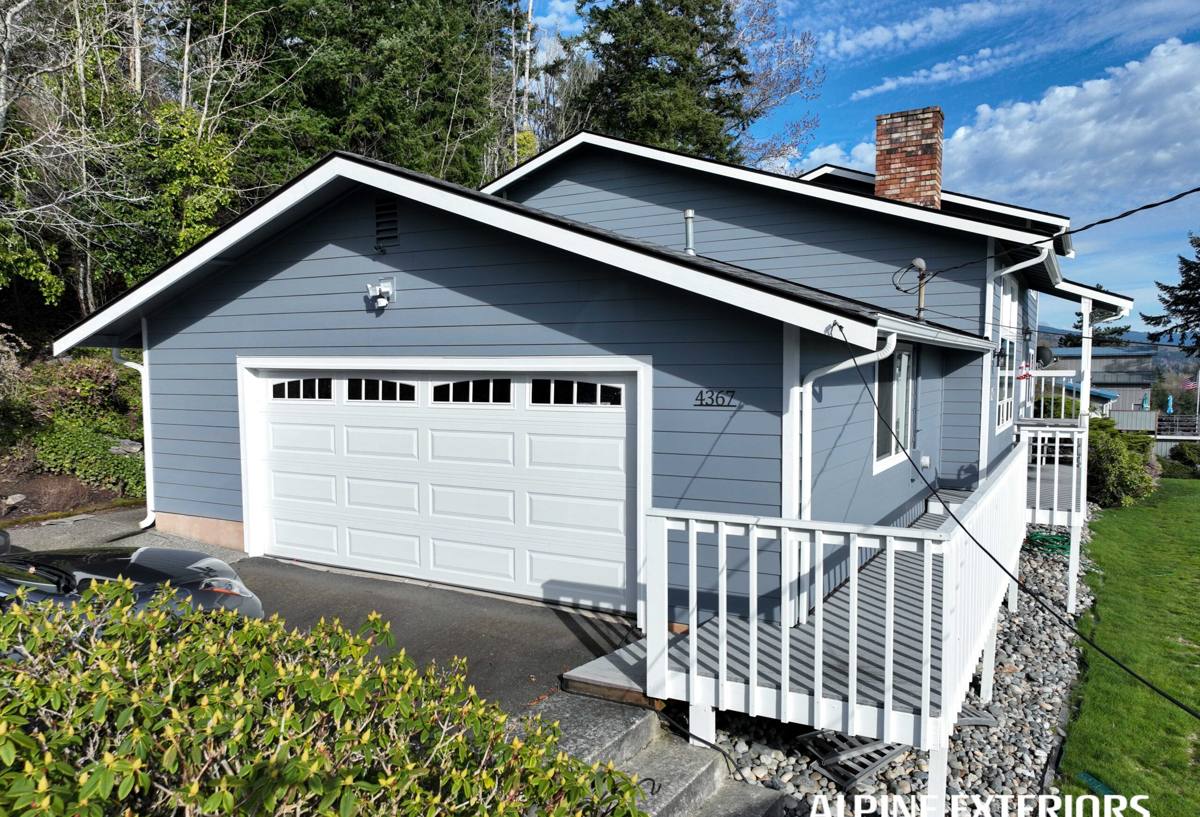
What Pinellas Point's Climate Actually Does to a Deck
Salt Air and Corrosion
Being close to Tampa Bay means airborne salt is a daily fact of life, not an occasional storm event. Salt accelerates corrosion in fasteners, joist hangers, and any exposed metal hardware. A deck built with standard hardware in a landlocked neighborhood can hold up fine for decades; the same hardware near open water can start showing rust streaks and pitting in a fraction of that time.
UV Exposure
Florida sun is intense and consistent almost all year. UV breaks down the lignin in wood fibers, causing graying and surface checking, and it degrades lower-grade composite decking faster than a showroom sample suggests. Anything left unprotected or improperly sealed shows sun damage well before it shows structural wear.
Wind-Driven Rain
Rain here rarely falls straight down. Wind pushes it sideways and underneath railings, ledger boards, and any horizontal surface that isn't properly flashed or sloped. Decks that trap water — in end grain, at fastener heads, or where boards butt tightly together — rot or delaminate from the inside long before the surface looks bad.
Hurricane-Force Wind
Pinellas County sits in a wind-borne debris region under the Florida Building Code, and Pinellas Point's exposure to open water puts it toward the higher end of local wind-load requirements. A deck's structural connections — ledger-to-house attachment, post bases, joist hangers, and railing posts — all need to be sized and fastened for uplift and lateral load, not just the vertical weight of foot traffic and furniture.
Choosing the Right Decking Material for This Location
There's no single "best" decking material — there's a best material for your budget, your maintenance appetite, and how directly your lot is exposed to sun, wind, and salt spray. Here's how the common options actually compare in a Pinellas Point setting:
| Material | Salt/Coastal Performance | UV Behavior | Maintenance | Typical Lifespan Here |
|---|---|---|---|---|
| Pressure-treated pine | Good if fasteners and hardware are upgraded | Grays and checks without regular sealing | Annual cleaning and re-sealing recommended | 10–15 years with upkeep |
| Composite decking | Very good; doesn't rot or corrode | Fades some over years; quality varies by brand and grade | Periodic washing; no sealing or staining | 20–25+ years |
| PVC/cellular decking | Excellent; fully inert to salt | Best UV stability of the synthetic options | Low; occasional cleaning | 25+ years |
| Tropical hardwood (e.g., ipe) | Naturally dense and rot-resistant | Grays without oiling; oiling needed to hold color | Higher — periodic oiling for appearance | 25+ years structurally |
We walk through the honest trade-offs for your budget rather than pushing whatever has the best margin. Pressure-treated lumber is the most affordable and, done correctly with the right hardware, performs well here — it just asks more of you in upkeep. Composite and PVC cost more up front but ask almost nothing of you afterward, which matters if you don't want deck maintenance on your annual to-do list. Hardwood sits in between: genuinely durable, but only if you're willing to oil it or accept that it will silver over time without that upkeep.
Fasteners and Hardware: Where Coastal Decks Actually Fail
More Pinellas Point deck failures start at the hardware than at the decking boards. This is the detail that separates a deck that looks fine at year three but is failing structurally, from one that's still sound at year fifteen.
- Stainless steel fasteners and structural screws for anything near the water or under regular salt spray — standard coated deck screws corrode faster in this air.
- Hot-dip galvanized or stainless joist hangers and structural connectors rated for the chemicals used in modern pressure-treated lumber, which corrode standard electro-galvanized hardware over time.
- Ledger board flashing that actually sheds water away from the house rim joist, not just a bead of caulk.
- Isolation between dissimilar metals, and between aluminum railing components and treated lumber, to prevent galvanic corrosion.
None of this is visible once the deck is finished, which is exactly why it's the part most likely to get quietly downgraded on a lowball bid.
Structural Details That Matter for Wind and Code
A deck permit in Pinellas County requires engineering that accounts for local wind speed requirements, and Pinellas Point's water exposure means we don't cut corners on this even when a homeowner is tempted to skip the permit on a small deck. The structural elements that matter most:
Ledger Attachment
The connection between the deck and the house has to be through-bolted or lag-screwed into structural framing at the correct spacing, with flashing that keeps water out of the house wall assembly — not just the deck framing.
Footings and Post Bases
Footing depth and post base hardware need to resist both the downward load of people and furniture and the uplift load from wind trying to lift the deck. Post bases should hold posts above grade and above standing water, which matters more in low-lying, waterfront-adjacent areas like this one.
Railing and Guard Systems
Railings need to meet code height and baluster spacing requirements and be attached with hardware substantial enough to resist a lateral push — this is one of the most common items flagged on deck inspections.
Permitting
Most new decks and significant deck rebuilds in the City of St. Petersburg require a permit and inspection. We handle that as part of the job rather than leaving it to the homeowner, because an unpermitted deck can complicate insurance claims and future home sales.
Drainage, Elevation, and Water Management
Pinellas Point's low elevation and proximity to the bay mean water management around and under a deck deserves real attention, not an afterthought. A few things we plan for on every job here:
- Grading and drainage under the deck so water doesn't pool against footings or the house foundation.
- Proper gaps between boards for drainage and airflow, sized correctly for the decking material chosen.
- Ventilation for any enclosed under-deck space, to prevent trapped moisture and the rot or mold it can cause.
- Flashing details at the house connection point that account for wind-driven rain coming in sideways, not just falling straight down.
What Affects the Cost of a Deck in Pinellas Point
Every deck quote is different, but the same handful of factors drive most of the cost swing between a basic platform and a fully built-out outdoor living space. Broadly, homeowners here should expect a simple pressure-treated deck to run well below a comparably sized composite or PVC deck with upgraded railing, once hardware and permitting are factored in.
| Cost Factor | Why It Matters Here |
|---|---|
| Decking material | Pressure-treated lumber costs the least up front; composite and PVC cost more but need far less upkeep in salt air |
| Hardware upgrade | Stainless steel fasteners and connectors cost more than standard hardware but are often the difference between a deck lasting 10 years or 25 near the water |
| Height and footings | Elevated decks and homes on lower ground may need deeper or additional footings to meet code and handle wind uplift |
| Railing style | Cable, glass, and custom railing systems cost more than standard aluminum or wood baluster railing |
| Permitting and engineering | Included in most quotes, but complex layouts or elevated decks may need additional engineering review |
We give a firm, itemized quote after an on-site assessment — not a rough phone estimate — so you know exactly what you're paying for before work starts.
Our Deck Building Process
Every deck we build in Pinellas Point follows the same sequence, whether it's a simple ground-level platform or a multi-level deck off the back of the house:
- On-site assessment — we look at your home's elevation, sun and wind exposure, existing structure if you're replacing an old deck, and how you actually plan to use the space.
- Design and material selection — we walk through the material and hardware trade-offs above based on your budget and how much maintenance you're willing to take on.
- Permitting and engineering — we prepare and submit the permit package, including the structural details needed to meet local wind requirements.
- Construction — footings, framing, decking, and railing, built in that order to the fastener and flashing standards described above at every step.
- Inspection and walkthrough — we schedule the required inspections and walk the finished deck with you before calling the job complete.
Maintaining a Deck in a Salt-Air, High-UV Climate
Whatever material you choose, a little regular attention goes a long way here. This is the maintenance checklist we give every Pinellas Point deck customer:
- Rinse off salt residue and debris every few weeks, more often if the deck faces open water directly.
- Check fastener heads and hardware once or twice a year for early rust or corrosion, especially near metal railing components.
- Re-seal or re-stain wood decking on the manufacturer's recommended schedule — don't wait until it looks gray and worn.
- Keep gaps between boards clear of debris so water and air can move through the way they're designed to.
- After any named storm, walk the deck and check railings, stair connections, and ledger attachment for movement before using it again.
Why a Crew That Already Works Pinellas Point Matters
Deck building isn't just carpentry — in a location like this, it's carpentry plus a working knowledge of local wind requirements, the permitting process with the City of St. Petersburg, and which materials and hardware actually hold up against Tampa Bay's salt air rather than just performing well in a showroom. A crew that hasn't worked this specific stretch of coastline may not know to upgrade fasteners, may under-detail the flashing, or may not account correctly for wind exposure in the framing — and those are exactly the mistakes that don't show up until the first bad storm or the third year of salt exposure.
We've built and repaired decks throughout St. Petersburg and Pinellas County, and Pinellas Point's waterfront exposure is something we plan for from the first conversation, not something we figure out after a callback.
If you're planning a new deck or need to replace one that's showing its age, we're happy to come take a look and put together a straightforward, no-pressure estimate — just fill out the form below.