 St. Petersburg Roofing
 Siding Replacement for Crescent Lake Homes
Crescent Lake sits among the older, well-established residential pockets near downtown St. Petersburg, with a mix of bungalows, mid-century ranches, and updated two-story homes shaded by mature oak canopy. That canopy is part of the neighborhood's character, but it also means siding here deals with constant humidity trapped under the trees, dappled UV exposure that ages paint and cladding unevenly, and debris load during storms. Add in the broader Pinellas County climate — hurricane-force wind events, wind-driven rain that gets pushed sideways into wall assemblies, and salt-laden air drifting in off the bay — and you have a set of conditions that punishes the wrong siding choice quickly and rewards the right one for decades.
This page is specifically about siding replacement for Crescent Lake properties: what the local conditions demand, what a correct installation actually involves, and why we install only James Hardie fiber cement on every home we work on here.
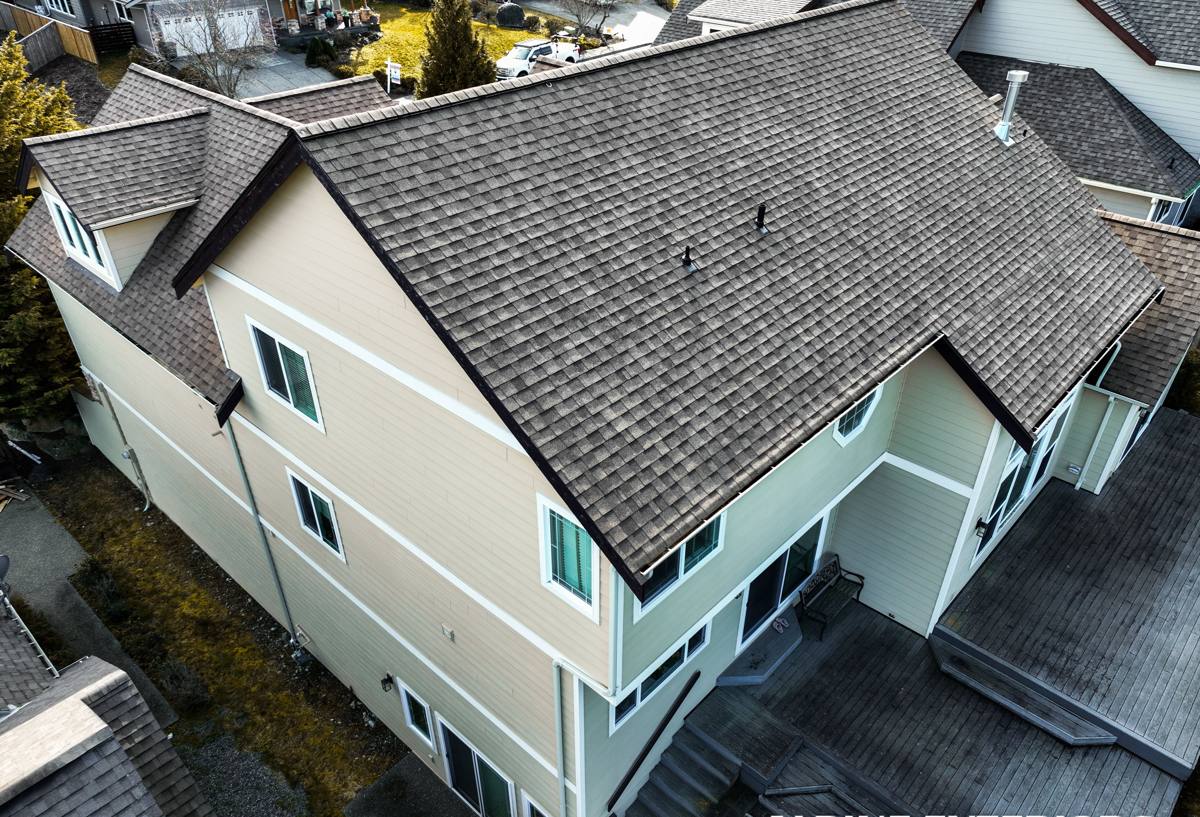
What Crescent Lake's Climate Actually Does to Siding
Humidity and Shade Together
Tree cover is a double-edged sword. It keeps a home cooler, but it also keeps siding damper longer after rain, since sun and wind don't reach shaded walls as quickly to dry them out. Any siding material with a wood or wood-fiber core that isn't properly sealed on cut edges and fastener points will start to swell, delaminate, or grow mildew in these conditions faster than it would on an open, sun-exposed lot.
Year-Round UV
Even on the shaded side of a home, Florida sun is intense for most of the year. Paint film breaks down, chalks, and fades unevenly between the sunny and shaded elevations of the same house. Homeowners in Crescent Lake often notice one side of their home looking noticeably older than the other — that's a paint and substrate problem, not just a cosmetic one.
Wind-Driven Rain and Hurricane Exposure
St. Petersburg sits in an active hurricane corridor, and even a tropical storm passing well offshore can push rain horizontally into siding seams, laps, and butt joints. Siding that isn't installed with the right clearances, flashing, and fastening pattern becomes a moisture entry point long before the material itself fails.
Salt Air
Proximity to Tampa Bay means airborne salt reaches inland neighborhoods like Crescent Lake more than most homeowners expect. Salt accelerates corrosion of exposed fasteners and trim, and it interacts with lower-grade coatings in ways that shorten their service life.
Signs a Crescent Lake Home Needs Siding Replacement
- Soft, spongy, or bubbling sections of siding, especially near ground level or under windows
- Visible cracking, buckling, or warping along horizontal laps
- Paint that's peeling, chalking heavily, or fading unevenly between shaded and sun-exposed walls
- Persistent mildew or dark streaking that returns shortly after cleaning
- Gaps opening up at seams, corners, or around trim and window casings
- Rising energy bills that track with visibly deteriorating exterior walls
- Rot or damage discovered after removing a section for repair, indicating a larger underlying problem
Why We Install Only James Hardie Fiber Cement
We don't install vinyl siding, LP SmartSide, Cemplank, Allura, or primed wood products like spruce or cedar. That's a deliberate standard, not a marketing line, and it's worth explaining honestly rather than just asserting.
Vinyl
Vinyl is inexpensive and easy to install, which is exactly why it's everywhere. But it softens and can deform in sustained high heat, it's more brittle and prone to cracking under wind-borne debris impact than fiber cement, and it has no realistic path to matching the fire-resistance or long-term color retention that a coastal, hurricane-exposed home in Pinellas County benefits from.
Wood-Based Engineered Siding (LP SmartSide) and Wood Products
Engineered wood siding and traditional primed wood have improved a great deal, and LP SmartSide in particular resists impact well. But any wood-fiber core product depends entirely on its factory coating and field-sealed edges staying intact to keep moisture out. In a shaded, humid neighborhood like Crescent Lake, that's a maintenance commitment homeowners have to keep up with indefinitely — miss a caulking cycle and moisture finds its way in.
Other Fiber Cement Brands (Cemplank, Allura)
These are legitimate fiber cement products and share the same base material advantages Hardie has. Where we see the difference is in the depth of the climate-specific product engineering, the factory finish warranty structure, and consistency of supply and support in this market. We standardized on one manufacturer so our crews install one system correctly, every time, rather than switching specs house to house.
Why James Hardie
James Hardie fiber cement is non-combustible, doesn't support pest activity the way wood products can, and holds paint and factory-applied ColorPlus finish far longer under UV exposure than raw wood substrates. Hardie's HZ5 product line is specifically engineered for high-humidity, storm-exposed climates like ours, and the company backs it with a strong transferable warranty that matters when the home eventually sells.
Comparison at a Glance
| Factor | Vinyl | Wood / Engineered Wood | James Hardie Fiber Cement |
|---|---|---|---|
| Heat/UV stability | Can warp in high heat | Moderate, coating-dependent | High, engineered for climate |
| Moisture resistance | Good if sealed at seams | Weak point if coating fails | Strong, non-combustible core |
| Wind/impact resistance | Can crack under debris impact | Good, brand dependent | Strong |
| Maintenance burden | Low but limited lifespan | Higher, ongoing sealing needed | Low with factory finish |
| Typical repaint cycle | N/A (color molded in) | 5-10 years | 15+ years (ColorPlus) |
What a Correct Siding Replacement Involves
Tear-Off and Substrate Inspection
Every job starts with full removal of the old siding, not an over-installation. That's the only way to actually see what's happening behind it — rot, prior water damage, or compromised sheathing that has to be addressed before anything new goes up.
Weather Barrier and Flashing
A correctly installed weather-resistant barrier and properly lapped flashing around every window, door, and penetration is what actually keeps wind-driven rain out, not the siding surface itself. This step gets rushed on lower-quality jobs and it's the single biggest predictor of whether a home stays dry through the next tropical storm.
Fastening to Manufacturer and Wind Zone Spec
James Hardie publishes fastening patterns specific to wind exposure. Pinellas County's exposure means following the correct nailing schedule and clearances isn't optional — it's what keeps siding attached in a hurricane-force wind event instead of becoming debris itself.
Trim, Caulking, and Paint Detail
Clean caulk lines at trim and corner boards, correct clearance from grade and roofing, and factory-finished ColorPlus panels reduce the number of failure points that lead to the moisture problems common in shaded, humid neighborhoods like Crescent Lake.
Our Process for Crescent Lake Homeowners
- On-site assessment: we walk the exterior, check for existing moisture or rot, and evaluate sun/shade exposure by elevation.
- Written scope and product selection: we recommend the appropriate Hardie product line and profile for the home's exposure and style.
- Tear-off and substrate repair: any rot or sheathing damage found is repaired before new siding goes up, not covered over.
- Weather barrier and flashing installation: done to manufacturer spec around every opening.
- Siding installation: fastened to the correct wind-zone pattern with proper clearances.
- Final trim, caulk, and walkthrough: we review the finished work with the homeowner before calling the job complete.
Why Local Experience in Crescent Lake Matters
A crew that already works in Crescent Lake and the surrounding St. Petersburg neighborhoods knows what tree canopy exposure does to a north-facing wall versus a south-facing one, understands how close-set older homes affect ventilation and drying time after storms, and has already dealt with the permitting and inspection process specific to the City of St. Petersburg and Pinellas County. That's not something a crew traveling in from outside the region picks up on the first job. Local experience shows up in fewer callbacks and fewer surprises once the old siding comes off.
Cost Factors to Expect
| Factor | Why It Matters |
|---|---|
| Home size and wall complexity | More corners, dormers, and trim detail increase labor time |
| Substrate condition | Rot or sheathing repair found during tear-off adds scope |
| Product line and profile | HZ5 lines and specific Hardie profiles vary in material cost |
| Trim and accessory work | Corner boards, soffit, and fascia replacement alongside siding |
| Access and site conditions | Mature trees, tight lot lines, and fencing can affect logistics |
We give a firm, itemized quote after the on-site assessment rather than a rough number over the phone, since the substrate condition behind older Crescent Lake siding often isn't fully known until tear-off begins.
Get a Free, No-Pressure Estimate
If your Crescent Lake home is showing signs of siding wear, or you're just planning ahead for what a full replacement would involve, we're happy to walk the exterior with you and give you a straight, honest assessment — no pressure, no upsell. Fill out the form below to schedule a free estimate.