 St. Petersburg Roofing
 Deck Building in Bartlett Park: A Job That Has to Account for the Gulf Coast
Bartlett Park sits in one of the older, established parts of St. Petersburg, with a housing stock that ranges from mid-century block homes to newer infill construction on smaller lots. A deck built here has to do more than look good — it has to hold up to a climate that doesn't let up. Pinellas County sees intense sun almost every day of the year, sudden wind-driven downpours, and salt-carrying air pulled in off Tampa Bay and the Gulf. Add hurricane season into the mix and a deck that was framed and fastened without those conditions in mind will show problems within a few seasons: cupped boards, rusted hardware, soft spots at the ledger, and railings that work loose.
We build decks in St. Petersburg neighborhoods like Bartlett Park regularly, and the lessons carry over from house to house because the climate stress is the same for every property in this part of the county. This page covers what a deck here actually needs, what a correctly built one involves, and how we handle the job from first look to final walkthrough.
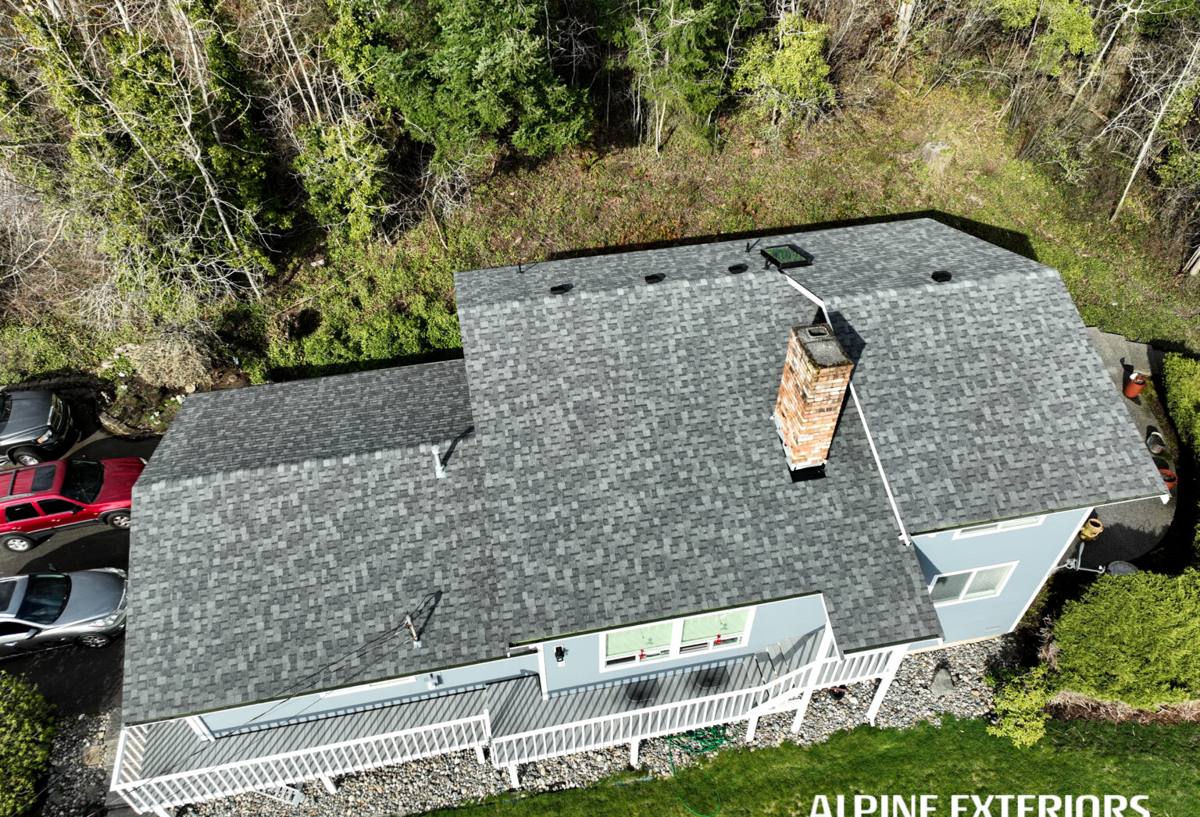
What Bartlett Park Homes Need From a Deck
Lot sizes in Bartlett Park tend to be modest, and many homes sit close to grade rather than up on a tall crawlspace, which changes how a deck attaches and how it drains. A few things come up on almost every project in this area:
- Ledger attachment to older framing. Homes built decades ago don't always have rim joists or sheathing that match current deck-attachment details, so the ledger connection often needs extra engineering rather than a standard lag-bolt pattern.
- Drainage away from the foundation. Flat or low-lying yards mean deck footings and grading have to move water away from the house, not toward it — especially with the sudden, heavy rain typical of Gulf Coast storms.
- Shade and heat management. Full Florida sun on an uncovered deck gets hot enough to limit how the space actually gets used; material choice and orientation matter more here than in milder climates.
- Corrosion resistance. Being close enough to the bay and Gulf to pick up salt in the air means standard hardware corrodes faster than it would inland.
Material Choices: What Holds Up and What Doesn't
Pressure-Treated Wood
Pressure-treated pine is still the most affordable decking option and works fine structurally, but it demands upkeep in this climate. UV exposure dries and grays the surface, wind-driven rain drives moisture into end grain and fastener holes, and without regular sealing the boards will cup, split, or splinter well before their structural life is over.
Composite Decking
Capped composite boards resist UV fading and moisture absorption far better than wood, which matters when a deck sits in direct Florida sun most of the day. The tradeoff is upfront cost and the fact that not all composite products handle heat the same way — some get noticeably hot underfoot in full sun, which is worth discussing before you commit to a color and layout.
PVC Decking
Fully synthetic PVC boards shrug off moisture completely, which makes them a strong fit for a humid, storm-prone climate, but they can expand and contract more with temperature swings than composite, so installation detail — gapping, fastening — has to be done correctly or the deck will show it within a year or two.
| Material | Upfront Cost | Maintenance | How It Handles This Climate |
|---|---|---|---|
| Pressure-treated wood | Lowest | Annual sealing/staining recommended | Prone to UV graying, cupping, and rot without upkeep |
| Capped composite | Mid to high | Occasional washing, no sealing | Strong UV and moisture resistance; some products run hot in full sun |
| PVC | Highest | Minimal, occasional washing | Excellent moisture resistance; needs correct fastening for expansion |
What a Correct Deck Build Actually Involves
A deck is a structure, not a surface, and the parts you don't see are what determine whether it's still solid in ten years. On every job we account for:
- Footings sized for sandy, coastal soil — depth and diameter have to match local soil conditions, not a generic spec sheet.
- Ledger flashing that actually sheds water — this is the single most common failure point on older homes, and it's the reason so many deck rot problems start at the house wall rather than out at the rail.
- Corrosion-resistant fasteners and hardware — stainless steel or high-grade coated connectors sized for the load and the salt exposure, not whatever is cheapest at the supply house.
- Wind-rated railing and guard post connections — railings take direct wind load during storms, and a loose post is usually a sign the original connection wasn't engineered for it.
- Proper board gapping and fastening — spacing that allows for material expansion in Florida's heat and humidity swings, so boards don't buckle or bind.
Our Process for a Bartlett Park Deck Project
1. On-Site Assessment
We walk the property, look at the existing structure or house framing the deck will attach to, and talk through how you actually plan to use the space — shade, grilling, seating, stairs to the yard. We also check drainage patterns on the lot, since that affects both footing placement and how the finished deck will perform in heavy rain.
2. Design and Material Selection
We lay out size, layout, and material options with honest cost and maintenance tradeoffs for each — no pushing the most expensive product if a well-built wood deck fits your budget and how long you plan to stay in the home.
3. Permitting
Deck work in St. Petersburg and unincorporated Pinellas County generally requires a building permit, and elevated or attached structures need to meet current wind-load and structural codes. We handle the permit submission and inspections as part of the job so it isn't left for you to sort out.
4. Construction
Footings, framing, ledger attachment, decking, and railing go in with the fastener and flashing details above — not shortcuts that look fine on day one and fail in year three.
5. Final Walkthrough
We go over the finished deck with you, cover any maintenance the specific material needs, and make sure everything passes final inspection before we call the job done.
Permits, Wind Load, and Why They're Not Optional Here
Pinellas County's building codes reflect the fact that this is a hurricane-exposed peninsula — railing connections, post-to-footing hardware, and ledger attachment all have to meet wind-load requirements that are stricter than what you'd see in a low-wind-zone state. Skipping the permit process doesn't just risk a fine; it means nobody has verified that the structure can actually take a direct hit from a tropical system, and it can complicate a home sale or insurance claim down the line. A contractor who pulls permits routinely in this area treats it as a normal part of the job, not an extra step.
Living With a Deck in Salt Air and Year-Round Sun
Even a well-built deck needs some ongoing attention in this climate:
- Rinse off salt residue and pollen buildup periodically, especially after windy stretches off the water.
- Check fastener heads and railing connections once or twice a year for corrosion or looseness.
- Reseal or restain wood decking on a schedule rather than waiting until it visibly grays or splinters.
- Inspect ledger flashing and the area where the deck meets the house after major storms.
- Keep gutters and downspouts clear so runoff isn't dumping extra water onto or under the deck.
Why Hiring a Crew That Already Works Bartlett Park Matters
A deck builder who works this specific part of St. Petersburg regularly has already dealt with the older framing common in the neighborhood, knows what Pinellas County's permitting office expects, and has seen firsthand how fast an under-built deck fails in this combination of UV, salt air, and storm wind. That's different from a crew that mostly works inland and treats every coastal job as a one-off. It shows up in the footing depth they spec, the hardware they default to, and the flashing detail they insist on at the ledger — the parts of the job that determine whether you're back to repairs in three years or not.
Questions Worth Asking Before You Hire
- Are you licensed and insured to build decks in Pinellas County, and can you provide proof?
- Will you pull the required building permit, and who handles the inspections?
- What fastener and hardware grade do you use, and why?
- How do you detail the ledger-to-house connection on older homes?
- What's the expected maintenance schedule for the material we choose?
- Can I see examples of decks you've built in St. Petersburg or nearby Pinellas County neighborhoods?
If you're weighing materials, working out a budget, or just want an honest read on what your yard and house can support, we're glad to come take a look. Fill out the form below for a free, no-pressure estimate on your Bartlett Park deck project.